Thirty Years of Weaker Rules. Nature Is Still Paying the Price.
Biodiversity | Government and Policy
After decades of narrowing federal assessment, Canada is being asked to repeat the same failed pattern under Bill C-39.
Canada’s environmental assessment system is starting to feel like Groundhog Day—but the federal government still has time to change the script.
Every few years, governments follow the same script: narrow the rules, promise faster approvals and act surprised when the same pressures return.
After three decades of rewrites, one lesson should be clear: nature protection was never the barrier. Yet it is once again being treated as the problem.
With Bill C-39, Canada is being asked to repeat that pattern.
Fewer reviews. Faster decisions. Less public scrutiny. The same old pattern, repackaged as progress.
If weaker oversight produced faster, better outcomes, decades of shrinking federal assessment should have delivered the proof by now.
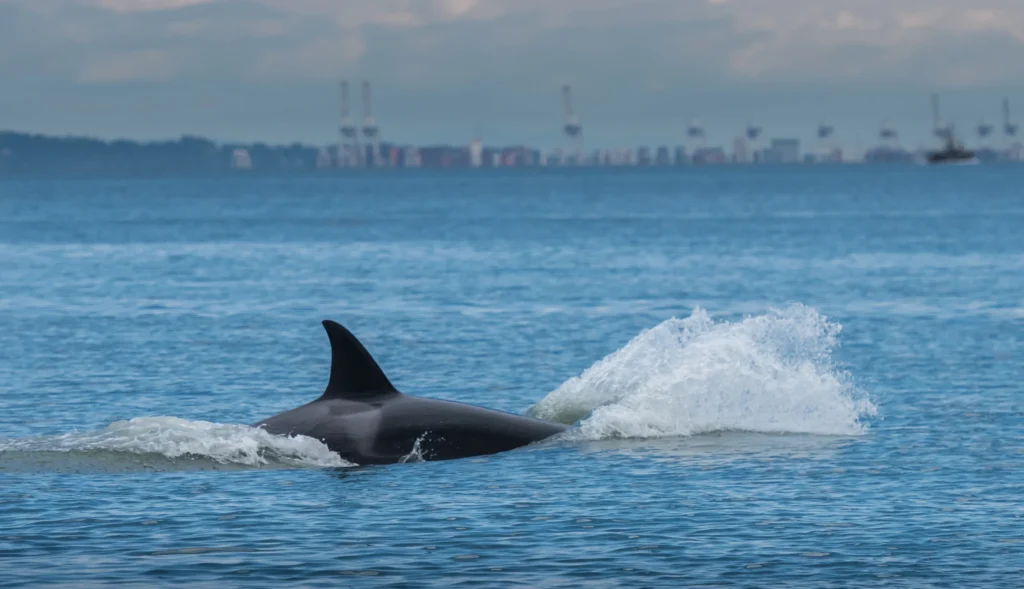
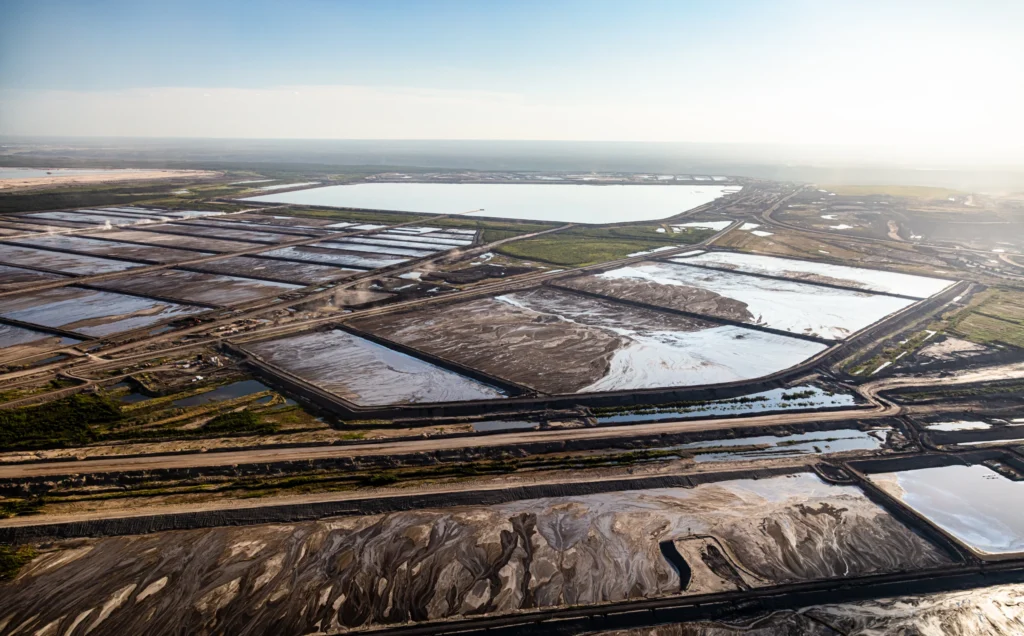
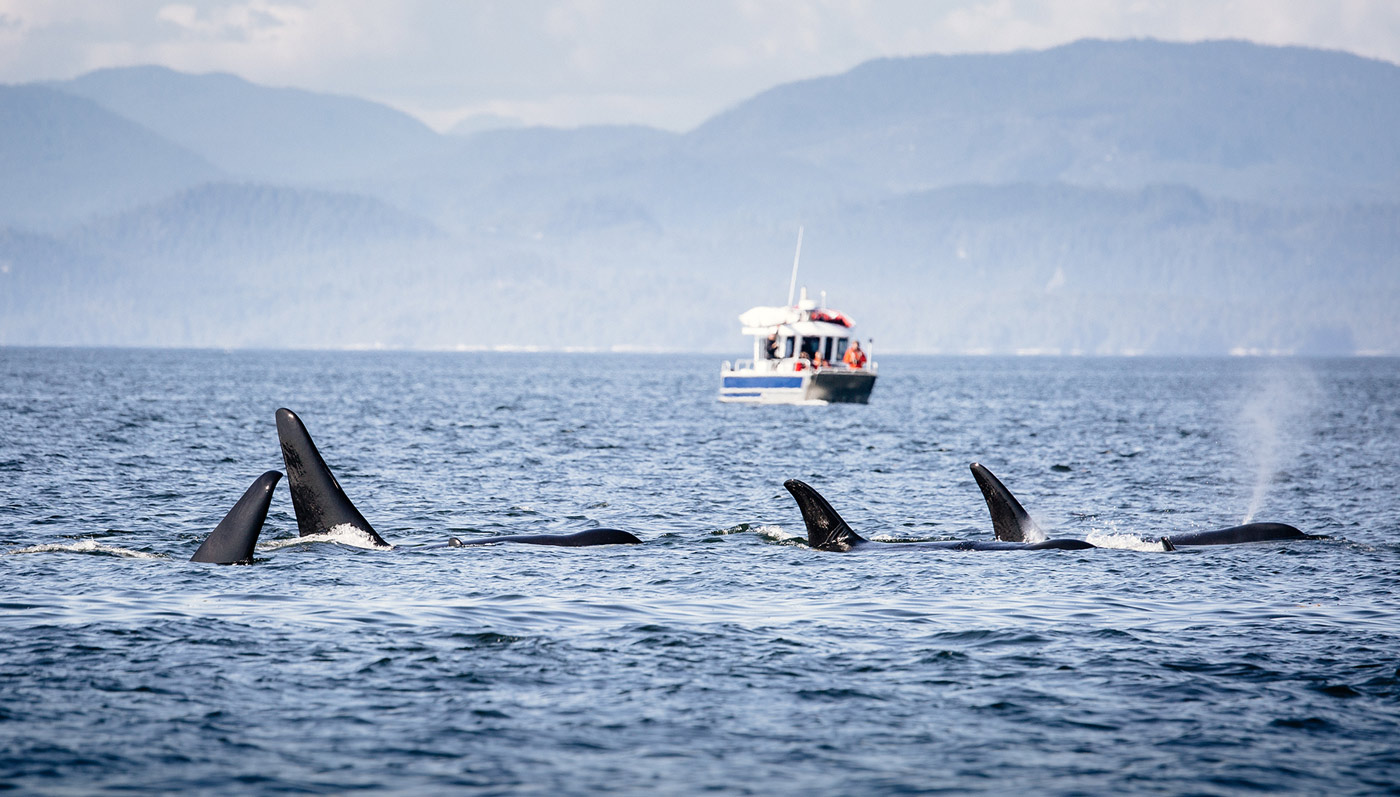
Meanwhile, the risks to nature keep growing. Southern Resident killer whales remain endangered and face imminent threats to survival and recovery. Tailings and mine waste continue to threaten waterways and fish habitat, while Canada’s changing climate increases wildfire risk and weather extremes.
Thirty years of fewer assessments
In the 1990s, federal environmental assessment cast a wide net.
Under the original regime, thousands of decisions triggered some level of federal review each year. Funding, federal land or permits could bring a project into assessment, ensuring that public lands, waters and wildlife were considered before decisions were made.
In 2012, Canada shifted to a project-list approach, cutting federal assessments from thousands each year to a few dozen major projects. Timelines shortened, and more responsibility moved to sector regulators.
The 2019 Impact Assessment Act broadened the factors considered—including climate impacts, health, Indigenous rights and the public interest—but kept the project-list model. Only a small number of major projects were assessed.
Federal review has narrowed further: pipelines and power lines have been removed from the regime, while Bill C-39 would concentrate decision-making, compress timelines and create new pathways to pre-approve projects.
The trajectory is clear.
Canada keeps assessing fewer projects while the risks to land, water, wildlife and communities grow.
That is the real Groundhog Day: the rules keep shrinking while the places and species they should protect are pushed closer to the edge.
Nature was never the problem
Across successive federal regimes, environmental review has become dramatically less common.
If weakening assessment was supposed to solve the problem, the evidence should be obvious by now. It is not.
Canada has reviewed fewer projects, narrowed assessment triggers and shifted more decisions into faster regulatory channels—yet the obstacles facing major projects remain.
Narrowing assessment has not solved the market, financing, infrastructure or public-support challenges facing major projects. It has only made nature protection easier to blame.
Major projects rise or fall on markets, financing, infrastructure, labour, community support and long-term public benefit.
Environmental assessment cannot fix those challenges by being made smaller.
Reducing oversight may look like action, but it does not make projects more durable or credible. Strong assessment can identify risks early, improve decisions and build the public confidence major projects need to endure.
Public land is a public asset

What often gets lost is whose interests environmental assessment is meant to serve.
Environmental assessment protects public assets before irreversible decisions are made.
The forests, rivers, oceans, grasslands and wildlife affected by major projects belong to all Canadians.
Fish habitat affected by mines, migratory bird habitat crossed by transmission lines, wetlands drained for development and species pushed closer to extinction are public—not corporate—assets.
Governments must protect and manage those assets in the public interest—a responsibility that grows more urgent during periods of rapid development.
Bill C-39: We are repeating the same mistake
Bill C-39 follows a pattern Canadians have seen before: fewer projects subject to federal assessment, greater reliance on sector regulators, compressed timelines and more authority concentrated in fewer hands.
Urgency matters—but structure determines whether faster decisions are also credible, accountable and built to last.
Who decides which projects are reviewed and how the public can participate all shape the outcome.
Faster approvals do not answer the central question: how can Canada advance needed projects while protecting the public assets that support our economy, communities and quality of life?
A false choice—and a broken promise
Canada needs clean energy, public transportation, housing-enabling infrastructure and strategic investment. It also needs healthy forests, watersheds, oceans and ecosystems that reduce climate risks and sustain communities.
This is not a choice between nature and development. Bill C-39 is written as though it is.
The federal government has repeatedly said Canada can advance development and protect nature at the same time, including through announcements such as Force of Nature. Bill C-39 should be judged against that commitment. As written, it presents an either-or choice: weaken environmental oversight or accept that necessary projects will not move forward.
That contradiction matters.
Canadians who support the government’s economic ambitions should also expect its laws to match its promises, maintain effective safeguards and protect public assets through transparent, public-interest decisions.
The lesson from 30 years of assessment reform is not that Canada protected too much nature. It is that weakening oversight does not solve the deeper problems holding good projects back—and Bill C-39 risks repeating that failure.
The federal government should revise Bill C-39 so that development delivers lasting public benefits while protecting the natural systems on which future prosperity depends.
The real test is whether the federal government will bring Bill C-39 into line with its promises.
Canadians deserve better than another false choice. The government can still revise Bill C-39, keep its promise and show that lasting prosperity does not require nature to pay the price.

Related content
-
 CPAWS Statement, Economy, Government and Policy
Parks Canada cuts just don’t add up
-
 Government and Policy
Nature, Canada’s most overlooked mental health resource?
-
 Government and Policy, Wildlife
Endangered by Predatory Policy, Who Pays the Price?
-
 Government and Policy, Wildlife
Weakening Environmental Safeguards for a Pipeline Puts Orcas at Risk
-
 Government and Policy
Making Nature Decision-Relevant for Government and Business: A Roadmap for Canada
-
-
 Economy, Government and Policy
Speed Kills: Fast-Tracking Development is Risky Business
-
 Economy, Government and Policy
Nation-Building or Breaking?
-
 Economy, Government and Policy
A Force Of Nature?
-
 Government and Policy
How to Spot Misinformation
-
 CPAWS Statement, Economy, Government and Policy
Statement: CPAWS response to “A Force of Nature: Canada’s Strategy to Protect Nature”
-
 Economy, Government and Policy
CPAWS In the News
-
 Government and Policy
Open Letter to Prime Minister Carney
-
 Biodiversity, Conservation, Government and Policy
The Clock is Ticking Yet the Work is Not Done
-
 Government and Policy
Skate to Where the Puck Is Going
-
 Coasts and Ocean, Government and Policy
Defend Our Pacific North Coast
-
 Coasts and Ocean, Government and Policy, Indigenous-led Conservation
CPAWS-BC stands with Coastal First Nations
-
 CPAWS Statement, Economy, Government and Policy
Statement: Federal Audit shows we can protect 30% of nature by 2030, so why is the federal government hitting the brakes?
-
 CPAWS Statement, Economy, Government and Policy
Statement: Nature Benched in Budget 2025
-
 Economy, Government and Policy
Addressing the Natural Infrastructure Policy Gap is Crucial to Nation-Building Success
-
 CPAWS Statement, Government and Policy
Statement: CPAWS reacts to federal government’s first Nation Building Projects
-
 Coasts and Ocean, Government and Policy, Indigenous-led Conservation
Still Fighting for a Seat at the Table
-
 Government and Policy
“Canada Strong” Means Standing Up for Nature
-
 Economy, Government and Policy
Nature on the federal balance sheet: Time to stop funding the problem
-
 Government and Policy
Nation-Building Isn’t Just About Speed. It’s About Vision.
-
 Economy, Government and Policy
Canada’s nature is worth fighting for
-
 Coasts and Ocean, Government and Policy
What Changes in Politics Mean for Nature and Conservation
-
 Government and Policy, Indigenous-led Conservation
COP 16: MAKING PEACE WITH NATURE
-
 Conservation, Government and Policy
Environmental groups welcome the launch of Canada’s strategy to save nature
-
Biodiversity, Government and Policy
17 environmental groups present plan for nature ahead of World Biodiversity Summit
-
-
 Government and Policy, Parks and Protected Areas
Canadians expect more than a C average in conservation
-
Biodiversity, Government and Policy
CPAWS welcomes historic new global agreement to save nature