The Clock is Ticking Yet the Work is Not Done

Biodiversity | Conservation | Government and Policy
As we step into 2026, it’s hard not to feel the weight of the moment.
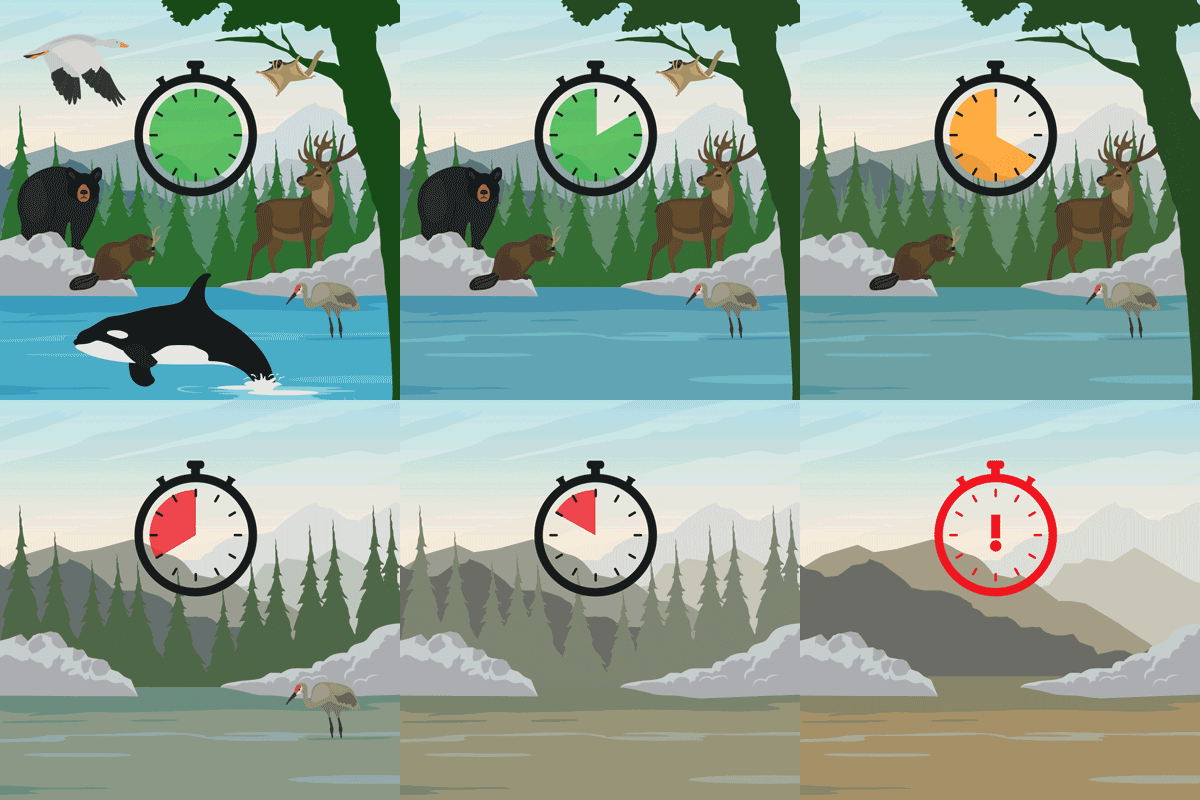
The clock is ticking for nature. Biodiversity loss continues at an alarming pace. Canadians are increasingly faced with the realities of a planet in distress, from extreme weather like flooding and wildfires, to the blistering heat or frigid cold. Climate impacts are reshaping our forests, coasts, food systems, and communities. Despite these daily reminders of environmental instability, nature protection has barely been mentioned in federal government speeches or policy since the Speech from the Throne, last May.
Silence, at a time like this, is deafening.
Adding to that urgency is a very real deadline. Key federal funding for nature protection is set to expire on March 31. This will halt critical conservation work, and could waste years of research, partnerships built, momentum gained, and trust established. If funding is not renewed, our collective progress will turn into stalled projects and leave the government’s previous investments unfulfilled.
Here’s what it all comes down to: an uncertain future for nature puts ecosystems at great risk, and leaves communities without the benefits they were promised.
Nature Protection Is Not a Luxury
In recent years, many Canadians have understandably prioritized affordability. When groceries cost more, housing feels out of reach, and energy bills climb, it may feel like environmental protection isn’t as pressing; it can afford to wait in the back seat, right?
This is a false choice.
A healthy environment underpins our stability as a nation, from individual well-being and social connection to local and national economies. We are all completely dependent on nature. Nature protection isn’t a luxury item to bring out only when times are good. It puts food on the table. It supports fisheries, agriculture, tourism, and clean water. It reduces the costs of disasters and protects communities from floods, fires, and extreme weather.
When we allow ecosystems to degrade, the costs don’t disappear. They show up later, and they are far higher. We cannot afford to let environmental protection backslide into full blown crisis.
Progress is Built Step by Step
One of the most important lessons I’ve learned over decades in conservation is that change is almost always built from small, incremental gains.
Nature protection doesn’t usually arrive with grand announcements. It happens through steady, often unglamorous work—through one protected area proposal that survives another budget cycle, one community partnership that deepens, one harmful policy or damaging proposal paused, improved, or stopped altogether.
These steps can feel frustratingly small when measured against the scale of the challenges we face, but they add up. Incremental progress compounds. Sometimes, especially in uncertain political or economic times, holding the line and simply not losing ground is meaningful progress.
We Are Further Along Than We Think
Twenty years ago, large-scale conservation in Canada was far less mainstream. Indigenous leadership in conservation was too often sidelined. Marine protection, ecological connectivity, and nature-based climate solutions were not widely understood or embraced.
Today, the picture is different. Not complete. Not sufficient. But different.
We have made real gains and it’s something we should all take stock in, together. Public support for nature protection is stronger. The role of Indigenous Peoples as leaders in conservation is increasingly recognized. The idea that protecting nature is essential to our collective future is more widely accepted.
Progress is not linear. Some years are about advancing. Others are about defending. Both matter.
Choosing Not to Walk Away
So yes, 2026 begins with uncertainty. Political attention is non-existent, funding decisions are imminent and the timelines are tight.
But what we do now still matters.
Every protected place that stays intact.
Every endangered species that lives another day.
Every letter sent to a politician to hold them accountable to their promises.
Nature protection in Canada has never been easy. We are still working, still advocating, still believing that this country can live up to its responsibility to the lands and waters that sustain us.
We don’t do this work because it is guaranteed.
We do it because it is necessary.
And because, together, we are capable of more than we sometimes allow ourselves to believe.
Article written by:
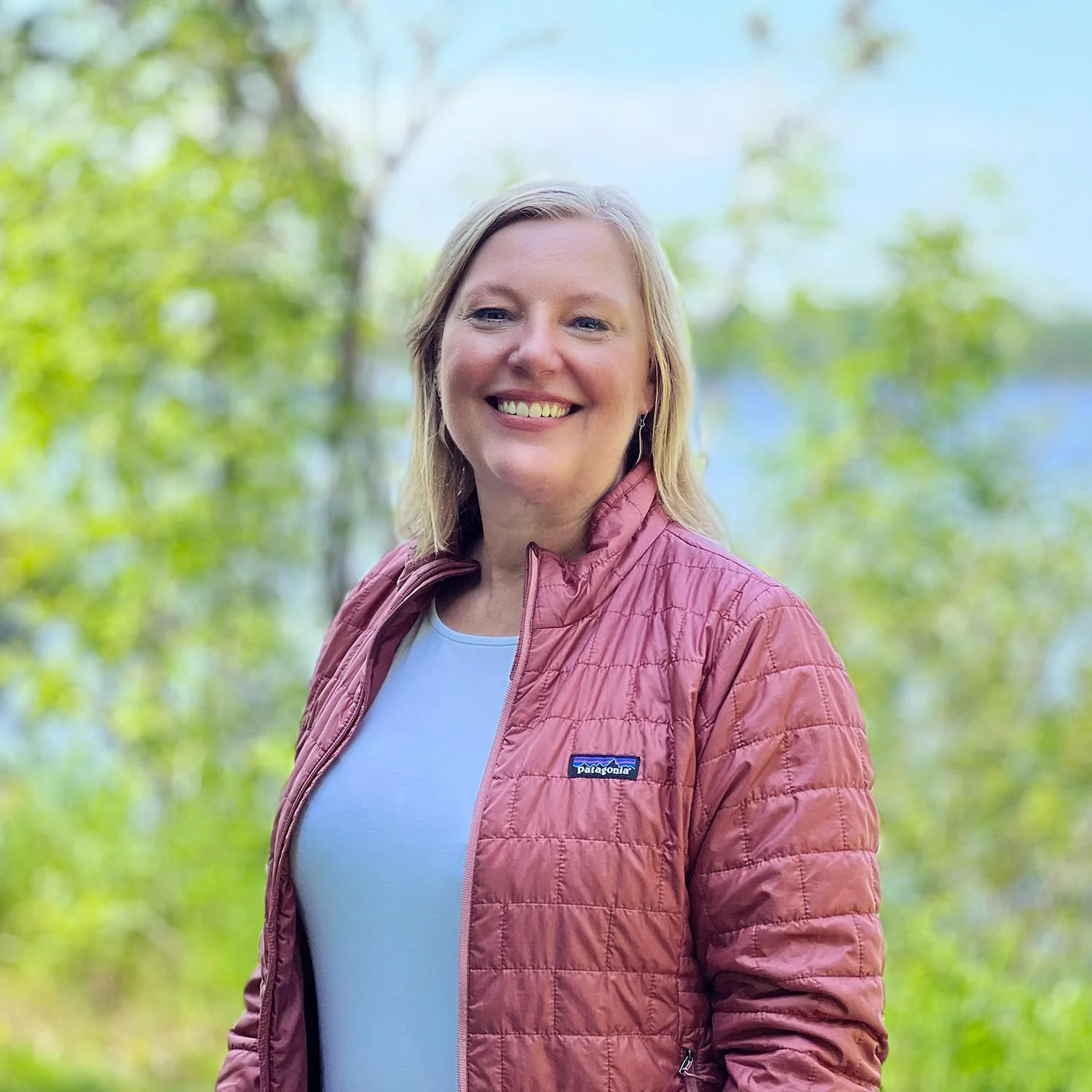
Sandra Schwartz
National Executive Director
CPAWS
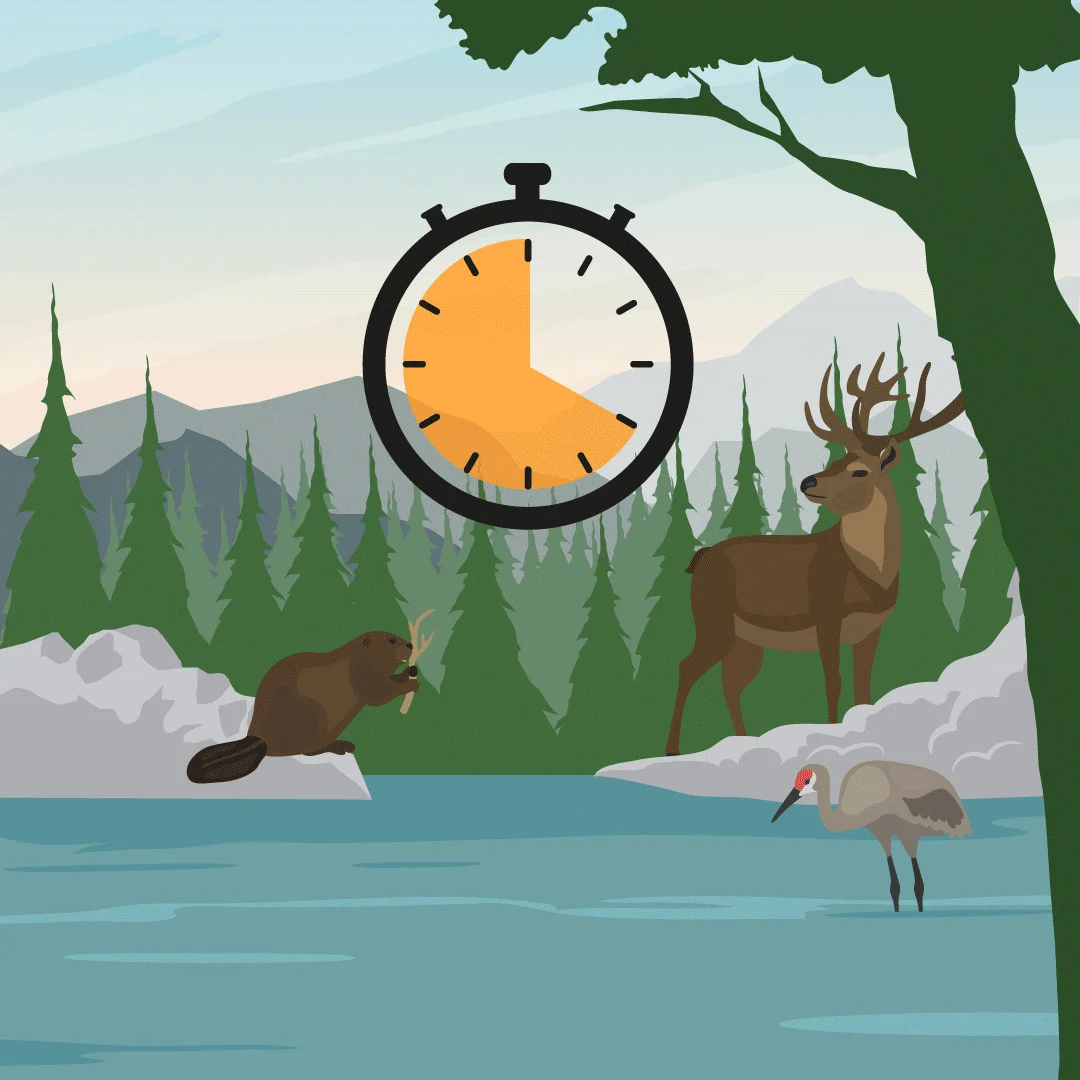
The Clock is Ticking
Nature funding expires Mar. 31, halting critical work. Your voice can help.
Other articles you may be interested in:
-
 Government and Policy
Nature, Canada’s most overlooked mental health resource?
-
 Government and Policy, Wildlife
Endangered by Predatory Policy, Who Pays the Price?
-
 Government and Policy, Wildlife
Weakening Environmental Safeguards for a Pipeline Puts Orcas at Risk
-
 Government and Policy
Making Nature Decision-Relevant for Government and Business: A Roadmap for Canada
-
-
 Economy, Government and Policy
Speed Kills: Fast-Tracking Development is Risky Business
-
 Economy, Government and Policy
Nation-Building or Breaking?
-
 Economy, Government and Policy
A Force Of Nature?
-
 Government and Policy
How to Spot Misinformation
-
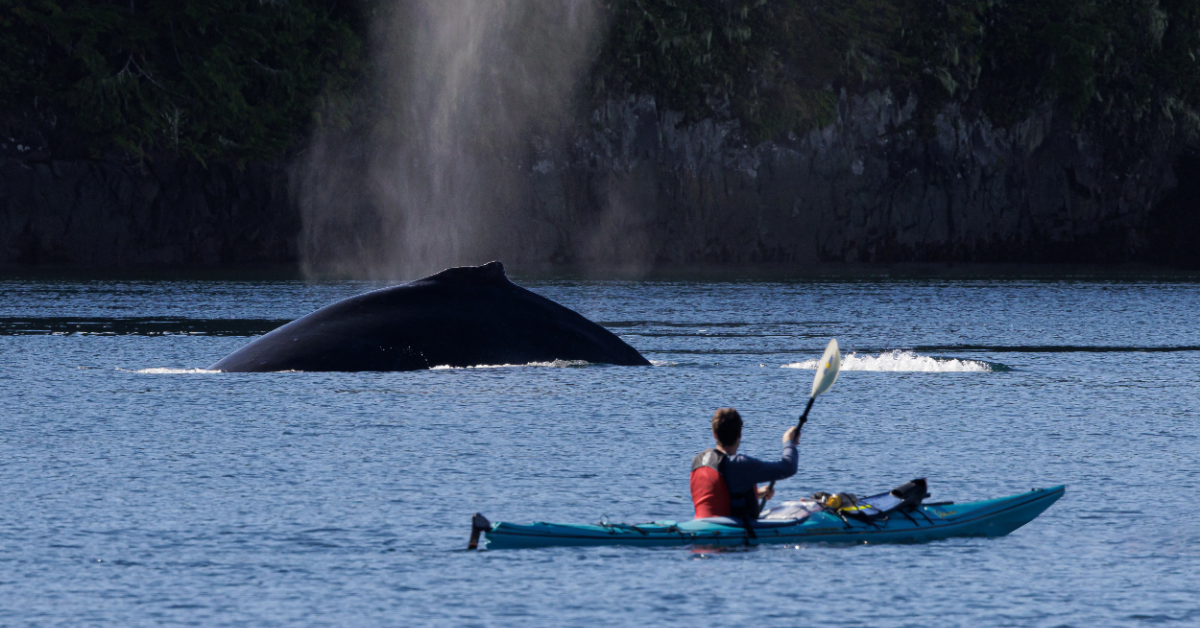 Economy, Government and Policy
Statement: CPAWS response to “A Force of Nature: Canada’s Strategy to Protect Nature”
-
 Economy, Government and Policy
CPAWS In the News
-
 Government and Policy
Open Letter to Prime Minister Carney
-
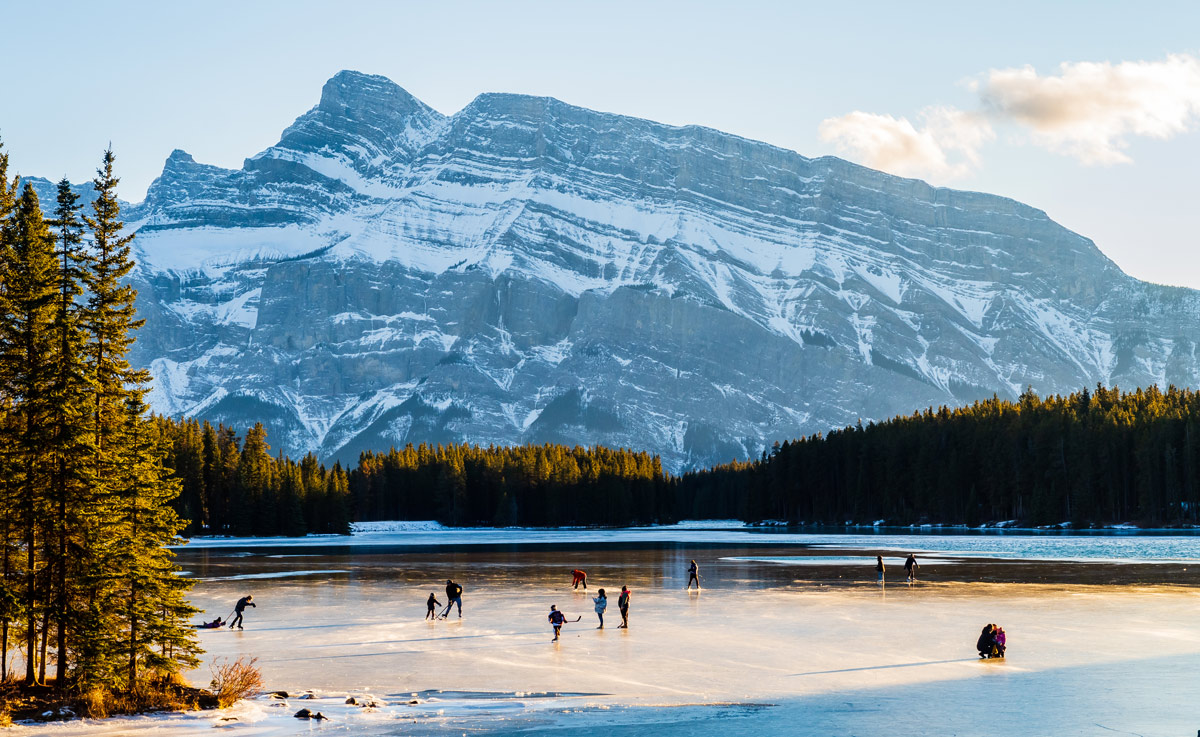 Government and Policy
Skate to Where the Puck Is Going
-
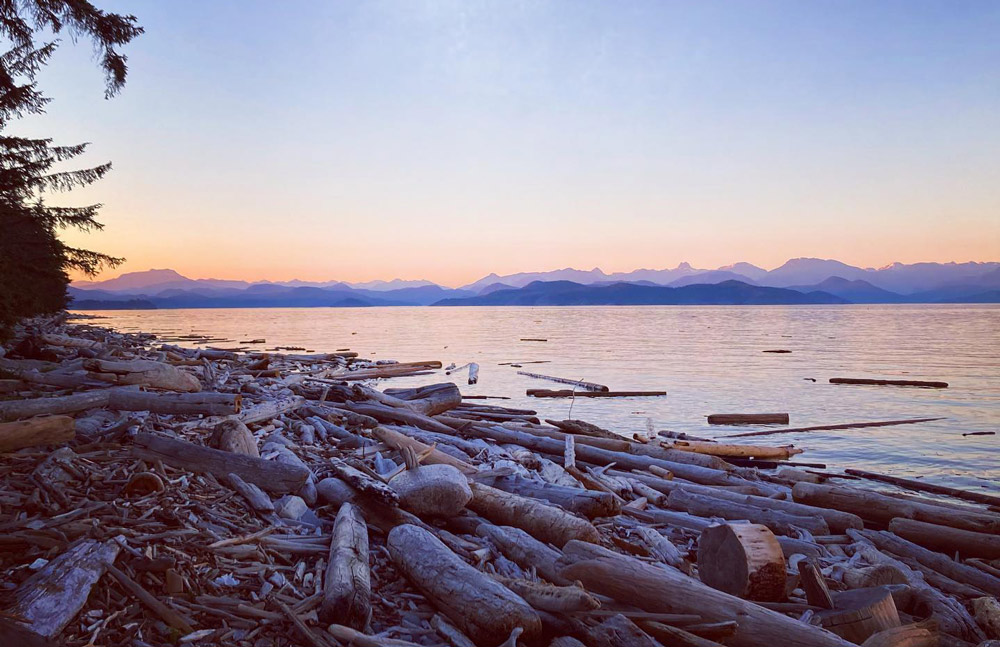 Coasts and Ocean, Government and Policy
Defend Our Pacific North Coast
-
 Coasts and Ocean, Government and Policy, Indigenous-led Conservation
CPAWS-BC stands with Coastal First Nations
-
 Economy, Government and Policy
Statement: Federal Audit shows we can protect 30% of nature by 2030, so why is the federal government hitting the brakes?
-
 Economy, Government and Policy
Statement: Nature Benched in Budget 2025
-
 Economy, Government and Policy
Addressing the Natural Infrastructure Policy Gap is Crucial to Nation-Building Success
-
 Government and Policy
Statement: CPAWS reacts to federal government’s first Nation Building Projects
-
 Coasts and Ocean, Government and Policy, Indigenous-led Conservation
Still Fighting for a Seat at the Table
-
 Government and Policy
“Canada Strong” Means Standing Up for Nature
-
 Economy, Government and Policy
Nature on the federal balance sheet: Time to stop funding the problem
-
 Government and Policy
Nation-Building Isn’t Just About Speed. It’s About Vision.
-
 Economy, Government and Policy
Canada’s nature is worth fighting for
-
 Coasts and Ocean, Government and Policy
What Changes in Politics Mean for Nature and Conservation
-
 Government and Policy, Indigenous-led Conservation
COP 16: MAKING PEACE WITH NATURE
-
 Conservation, Government and Policy
Environmental groups welcome the launch of Canada’s strategy to save nature
-
Biodiversity, Government and Policy
17 environmental groups present plan for nature ahead of World Biodiversity Summit
-
-
 Government and Policy, Parks and Protected Areas
Canadians expect more than a C average in conservation
-
Biodiversity, Government and Policy
CPAWS welcomes historic new global agreement to save nature