Nation-Building or Breaking?

Economy | Government and Policy
New federal proposal to fast-track major projects won’t build Canada strong.
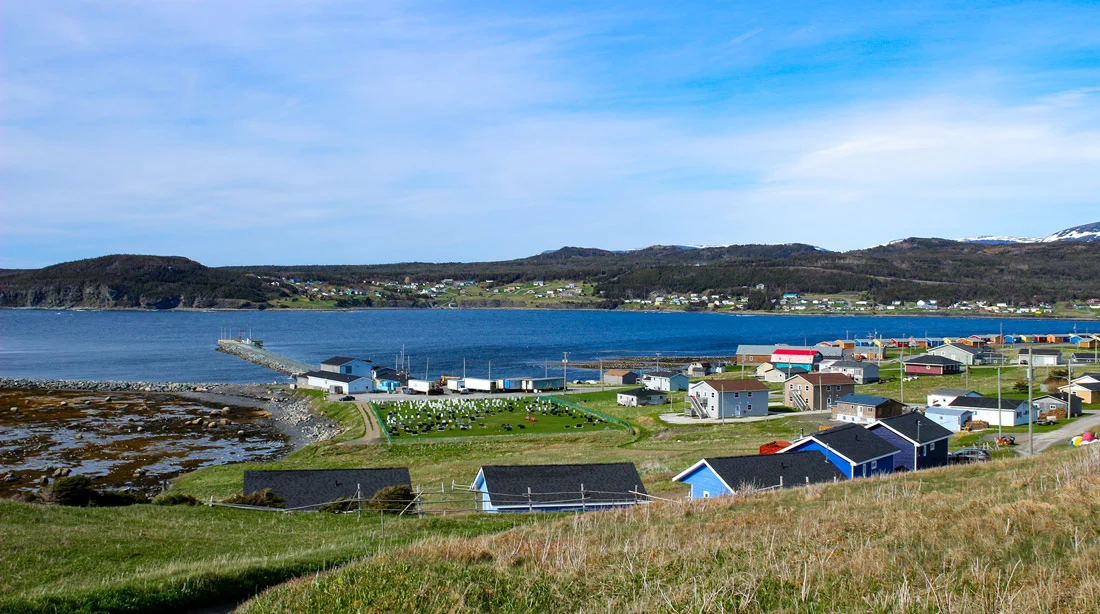
The ink is barely dry on the federal government’s new A Force of Nature strategy, yet their latest proposal for “nation-building” projects appears to be an outright contradiction. It threatens species at risk and rolls back environmental protections that have safeguarded communities and nature from industrial damage, for decades.
After years in conservation, I’ve learned this much: when governments say they support nature, what they do next shows what really matters.
What is at Stake
If what they’re recommending goes through as written, it will be the worst assault on nature in decades.
Their proposal would:
1. Enable the government to ignore legal protections for Species at Risk.
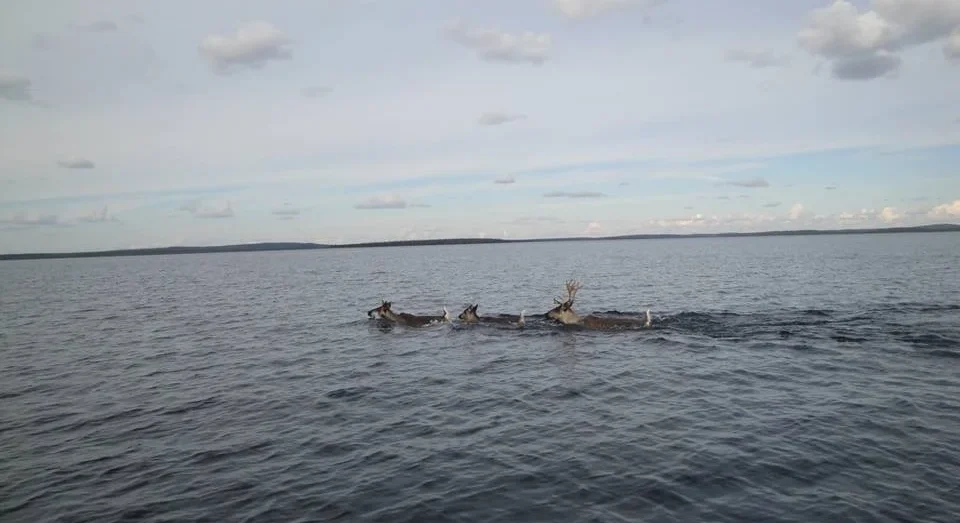
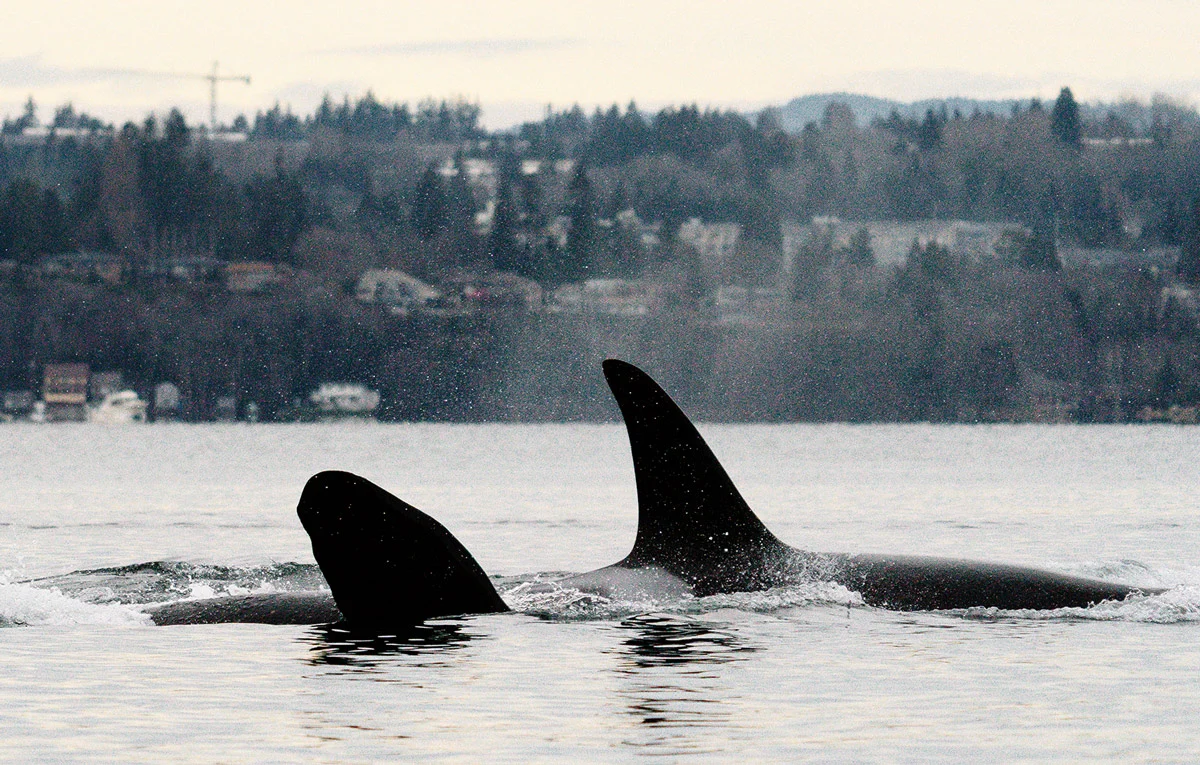
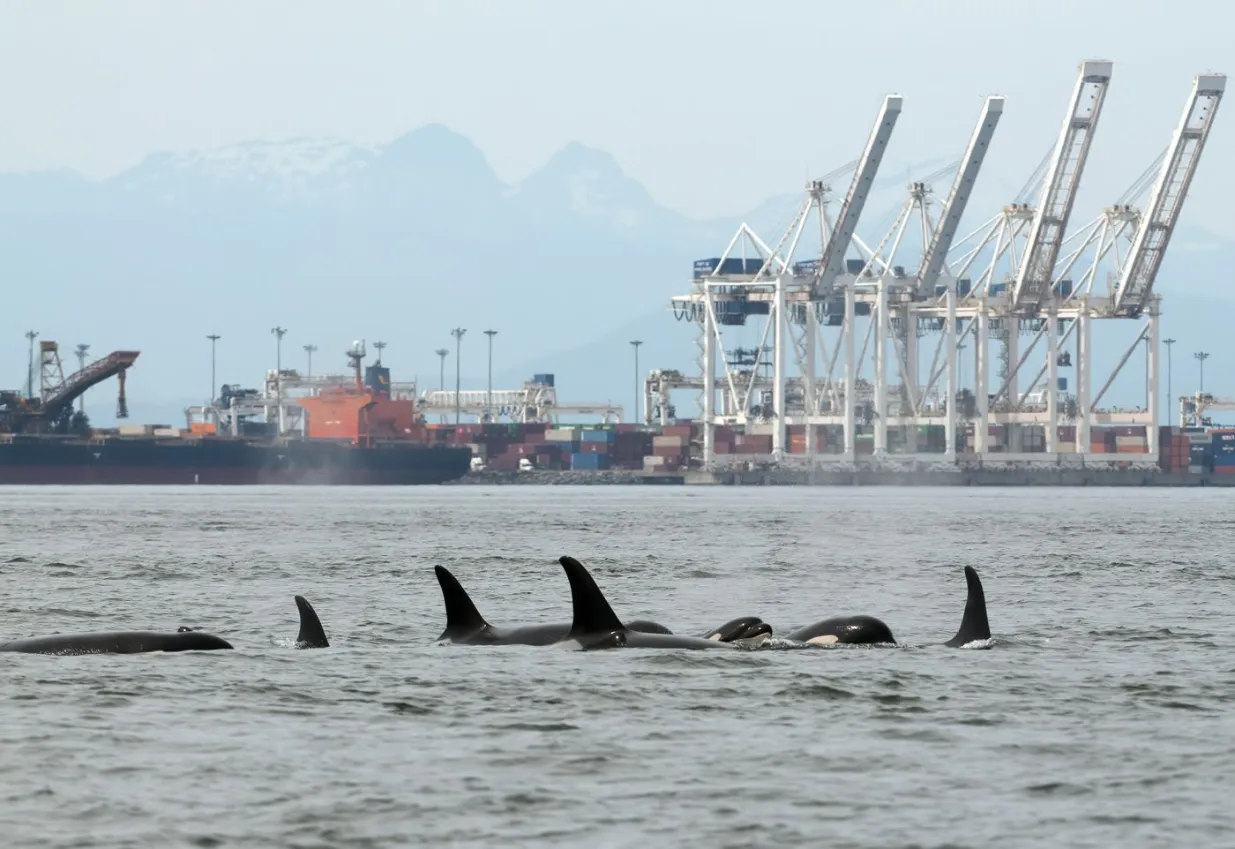
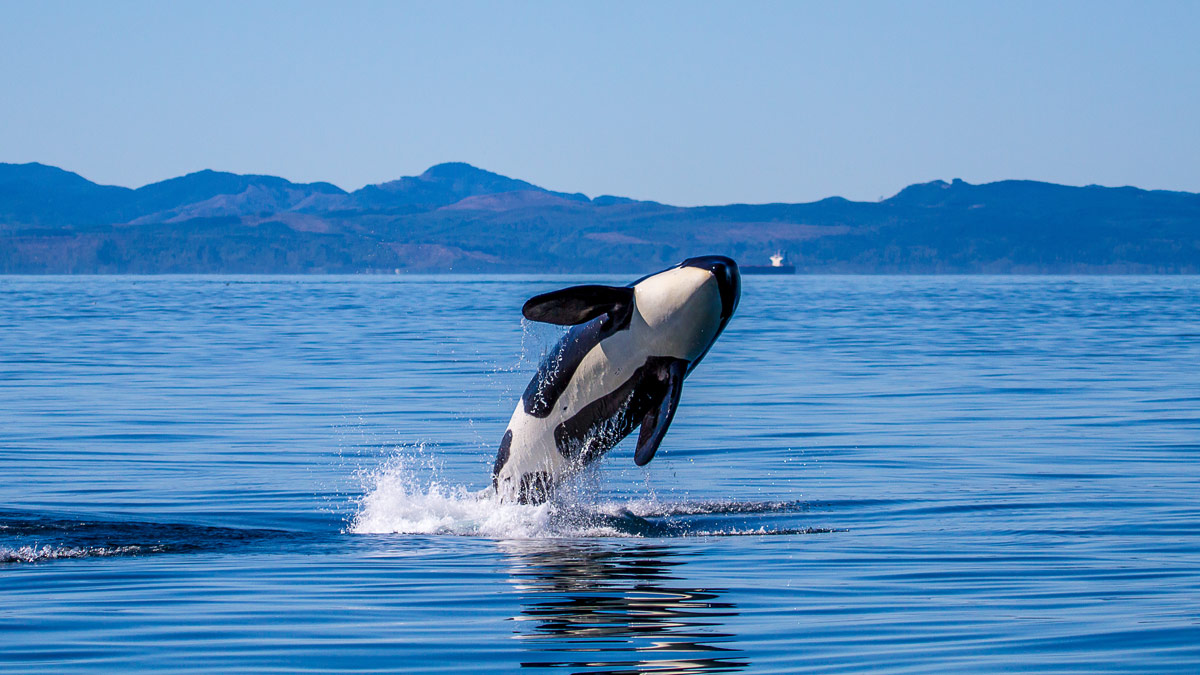
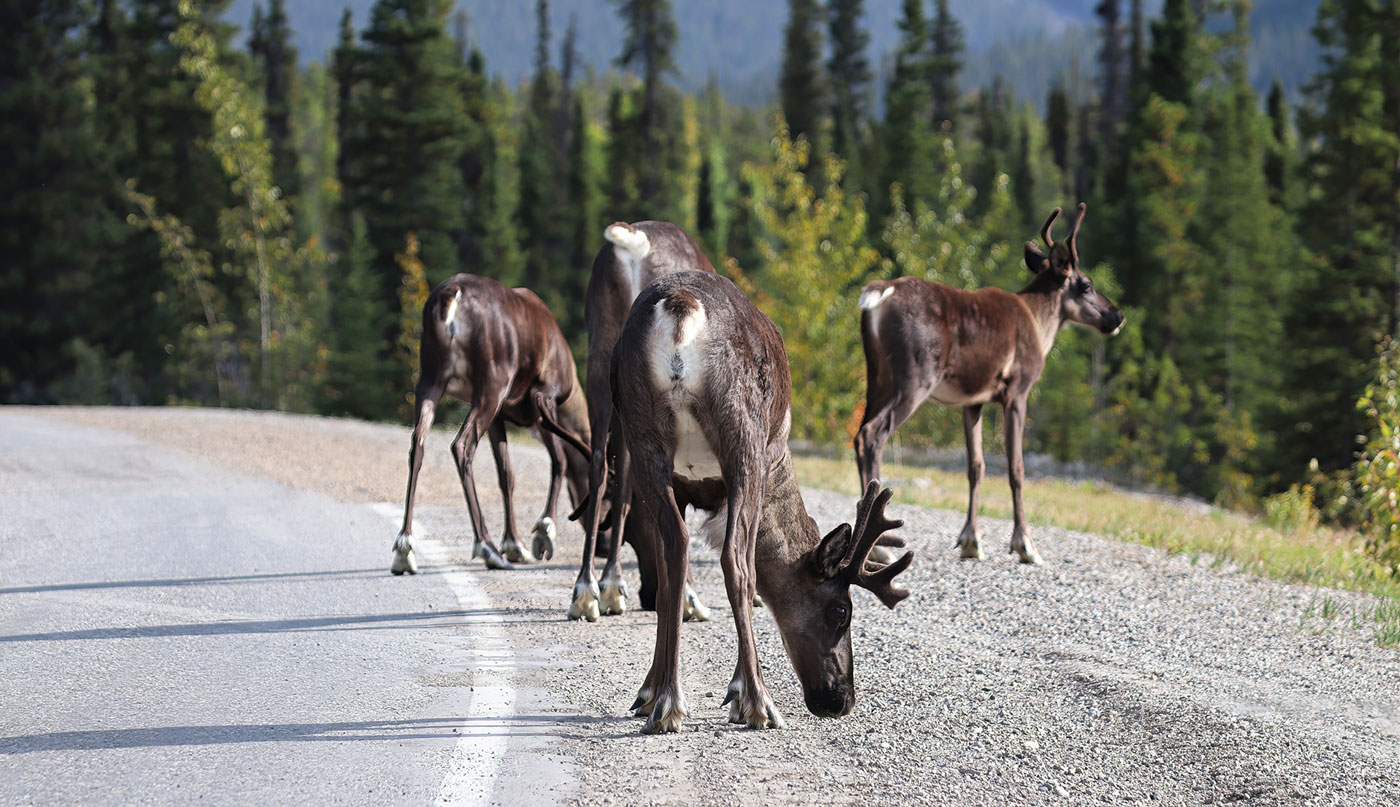
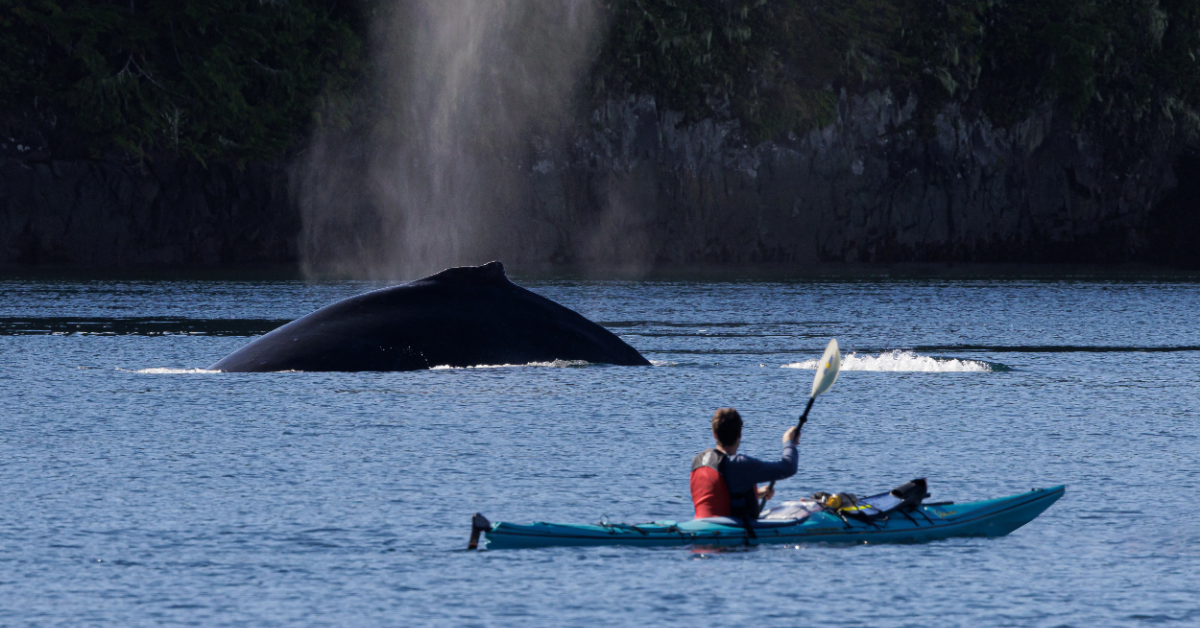
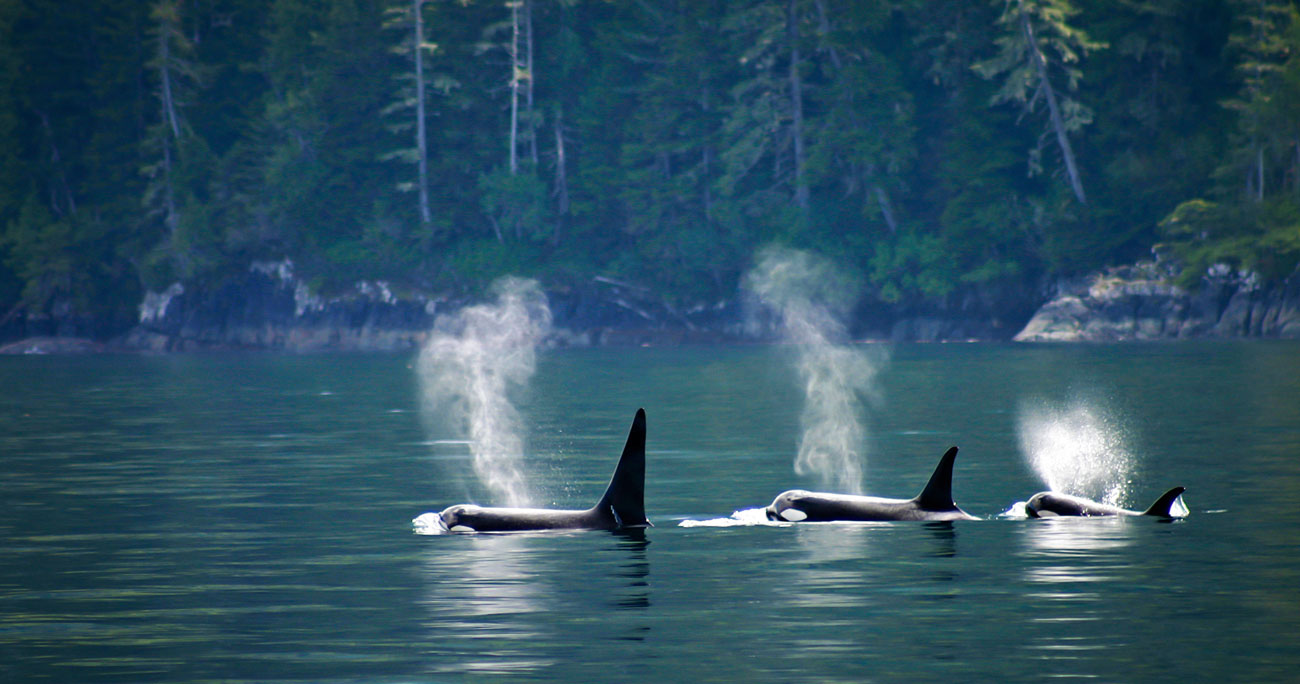
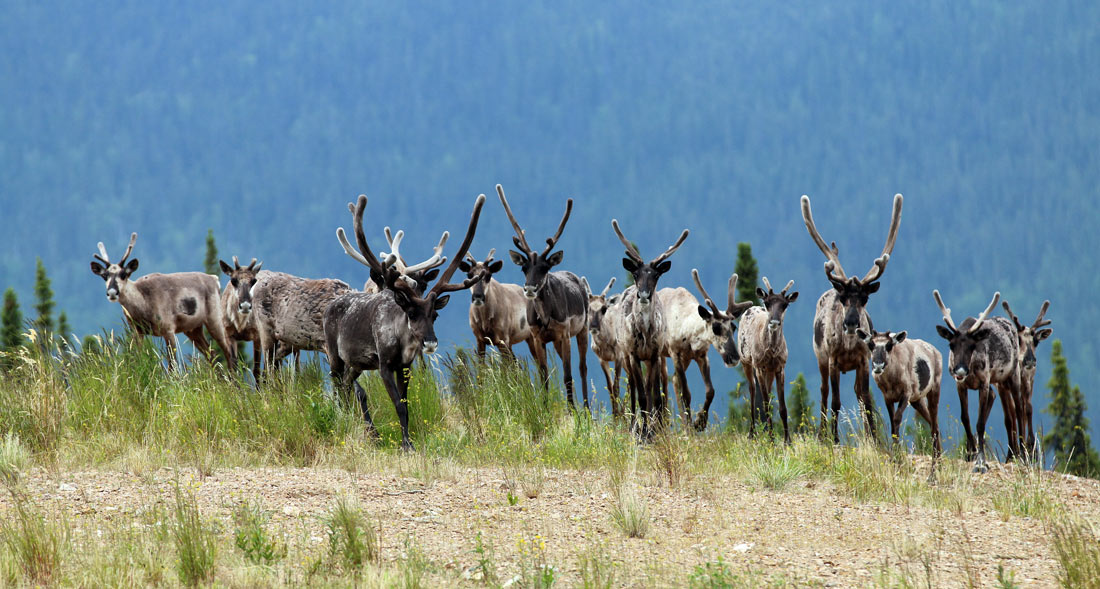
- Risk: Signing off on projects that will result in the extinction of species, like specific herds of boreal caribou and the Southern Resident Killer Whale of the west coast.
2. Create “Federal Economic Zones” where the normal rules won’t apply.
- Risk: Projects in these areas could be pre-approved without needing an assessment of potential environmental and social impacts, nor in consultation with affected communities.
3. Limit the timeline for federal Impact Assessments to one year only, regardless of the project’s complexity and whether more time is needed.
- Risk: Projects could be approved without fully understanding the implications it could have on the people in the surrounding communities and the environment and could result in meaningless mitigation measures.
4. Allow one minister to grant permits and approvals, even if it means destroying critical fish habitats to move a project forward.
- Risk: The decision-making process would come down to politics instead of expertise, reducing transparency. It would open the door for species and habitats to be treated as trade-offs for industrial opportunity.
I wanted to believe this government would be a force for nature as the Prime Minister had promised several times. I wanted to believe we’d finally reached a turning point, where nature protection is treated as the cornerstone of Canada’s security, prosperity, and identity, and not just a “nice-to-have” when times are good.
With A Force of Nature, I thought we had made progress. I thought the government heard what Canadians have been saying for years: that nature protection is a lifeline. While the recent nature strategy is a step forward for conservation, including funding renewals to progress critical work which CPAWS had been advocating for, what came next knocked the wind right out of me. My guard had been lowered by the hope that this government cared about nature, and protecting the species and people that call this beautiful country home. Instead, I feel like I just got sucker punched.
This new proposal aims to fast-track “nation-building” projects by weakening the very guardrails that uphold environmental integrity, Indigenous rights, and community wellbeing.
This isn’t leadership. It’s backsliding. If these changes are legislated, it will roll back decades of hard-fought progress on environmental laws, taking us back to a time when we had no rules. It directly opposes the promise of A Force of Nature; that we can balance nature protection while building Canada in a good way, finally valuing nature’s assets in our economic decision-making.
While CPAWS supports removing unnecessary barriers and reducing delays for project approvals, what’s being proposed is not the answer.
Weakening environmental laws doesn’t lead to better outcomes, it guarantees bigger mistakes.
Why CPAWS is Alarmed
If this proposal moves forward as suggested, it could turn the clock back on years of hard-won protections that keep water drinkable, wildlife habitat intact, fisheries healthy, and communities safer from floods, fires, and extreme temperatures. So, while the proposal’s details remain unclear, from what we see at this point, it looks bad.
Nature and local communities pay the price when decisions are made without scrutiny, transparency and oversight; or when science is sidelined and short-term corporate interests are allowed to steamroll long-term public benefits. Biodiversity loss isn’t just an environmental issue, it’s an economic risk that creates supply chain disruptions, rising insurance costs and expensive disaster recovery.
If the government is serious about “Building Canada Strong”, then aligning development with nature can’t be a slogan. When it comes to decisions that will affect what our public lands, waters, and wildlife will be like for generations, Canadians have the right to know what’s going and how choices are made.
Build Canada Well and Stop Making Nature Optional
Nature protection is nation-building infrastructure. It puts food on the table, supports jobs and steadies local economies. It keeps carbon out of the atmosphere by storing it in the earth, reducing greenhouse gasses. It lowers the risk of extreme weather, so we save on costly repairs.
We can build what we need, but we can’t expect a stable economic future for Canada if we build on a foundation we’ve already broken.
Article written by:
Sandra Schwartz
National Executive Director
CPAWS
YOUR VOICE HAS POWER
The government is asking Canadians for their feedback on this draft proposal, before it’s turned into legislation for Parliament to review and approve.
You have until July 22, can we count on you to speak up for nature?
Other articles you may be interested in:
-
 Government and Policy
Nature, Canada’s most overlooked mental health resource?
-
 Government and Policy, Wildlife
Endangered by Predatory Policy, Who Pays the Price?
-
 Government and Policy, Wildlife
Weakening Environmental Safeguards for a Pipeline Puts Orcas at Risk
-
 Government and Policy
Making Nature Decision-Relevant for Government and Business: A Roadmap for Canada
-
-
 Economy, Government and Policy
Speed Kills: Fast-Tracking Development is Risky Business
-
 Economy, Government and Policy
A Force Of Nature?
-
 Government and Policy
How to Spot Misinformation
-
 Economy, Government and Policy
Statement: CPAWS response to “A Force of Nature: Canada’s Strategy to Protect Nature”
-
 Economy, Government and Policy
CPAWS In the News
-
 Government and Policy
Open Letter to Prime Minister Carney
-
 Biodiversity, Conservation, Government and Policy
The Clock is Ticking Yet the Work is Not Done
-
 Government and Policy
Skate to Where the Puck Is Going
-
 Coasts and Ocean, Government and Policy
Defend Our Pacific North Coast
-
 Coasts and Ocean, Government and Policy, Indigenous-led Conservation
CPAWS-BC stands with Coastal First Nations
-
 Economy, Government and Policy
Statement: Federal Audit shows we can protect 30% of nature by 2030, so why is the federal government hitting the brakes?
-
 Economy, Government and Policy
Statement: Nature Benched in Budget 2025
-
 Economy, Government and Policy
Addressing the Natural Infrastructure Policy Gap is Crucial to Nation-Building Success
-
 Government and Policy
Statement: CPAWS reacts to federal government’s first Nation Building Projects
-
 Coasts and Ocean, Government and Policy, Indigenous-led Conservation
Still Fighting for a Seat at the Table
-
 Government and Policy
“Canada Strong” Means Standing Up for Nature
-
 Economy, Government and Policy
Nature on the federal balance sheet: Time to stop funding the problem
-
 Government and Policy
Nation-Building Isn’t Just About Speed. It’s About Vision.
-
 Economy, Government and Policy
Canada’s nature is worth fighting for
-
 Coasts and Ocean, Government and Policy
What Changes in Politics Mean for Nature and Conservation
-
 Government and Policy, Indigenous-led Conservation
COP 16: MAKING PEACE WITH NATURE
-
 Conservation, Government and Policy
Environmental groups welcome the launch of Canada’s strategy to save nature
-
Biodiversity, Government and Policy
17 environmental groups present plan for nature ahead of World Biodiversity Summit
-
-
 Government and Policy, Parks and Protected Areas
Canadians expect more than a C average in conservation
-
Biodiversity, Government and Policy
CPAWS welcomes historic new global agreement to save nature