Defend Our Pacific North Coast

Coasts and Ocean | Government and Policy
The urgent need to protect our ocean from political backsliding and big corporate Interest
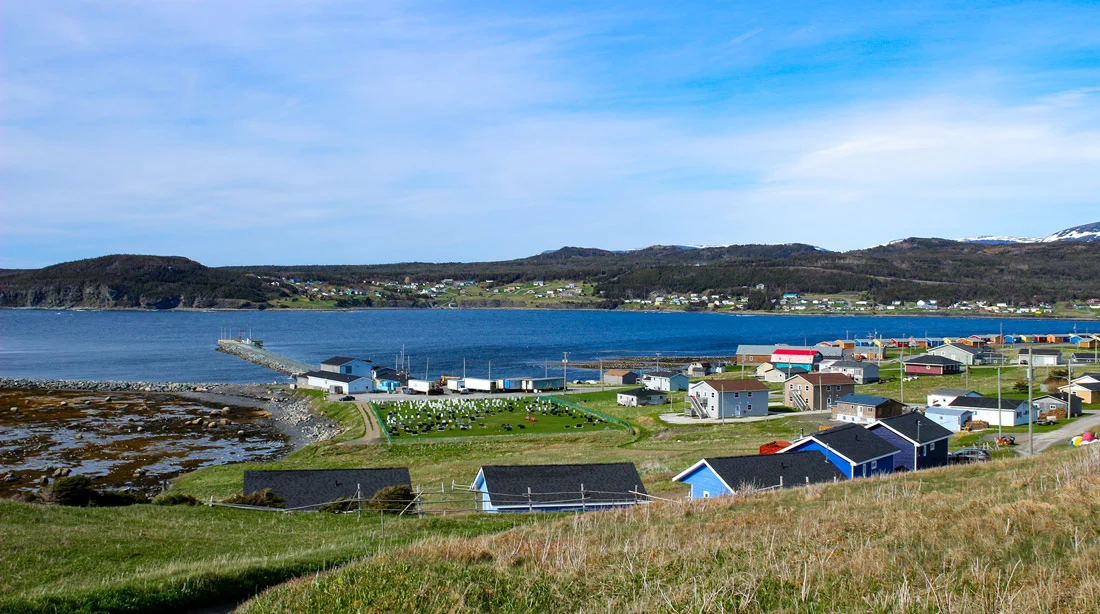
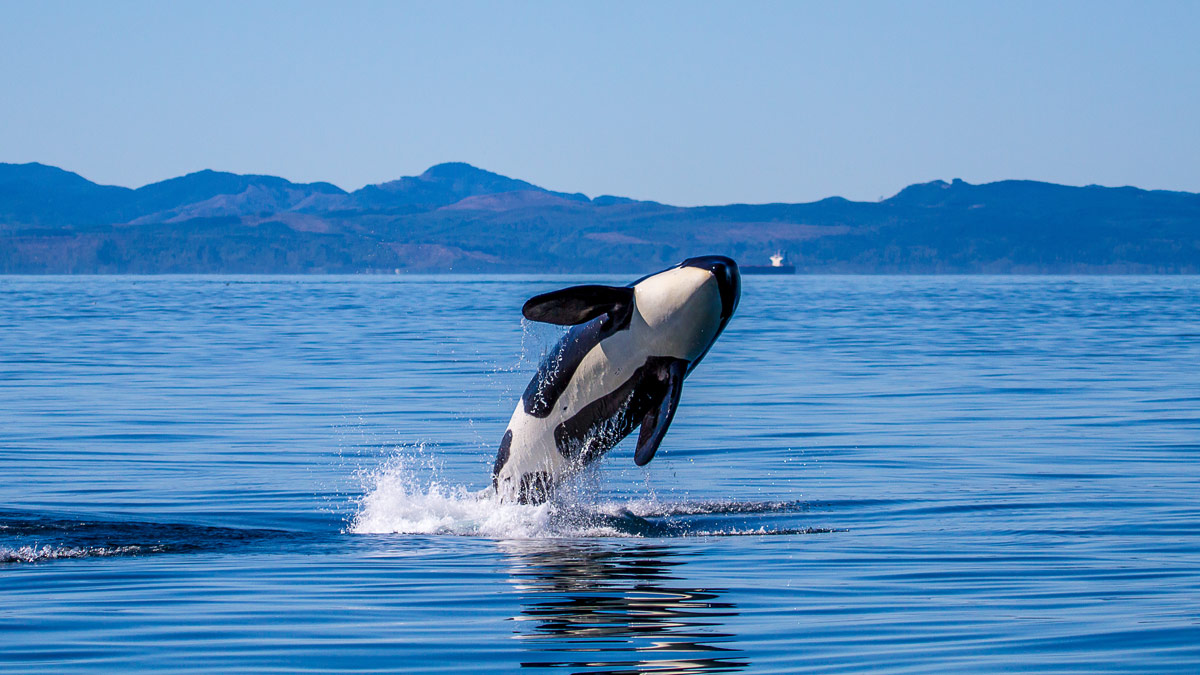
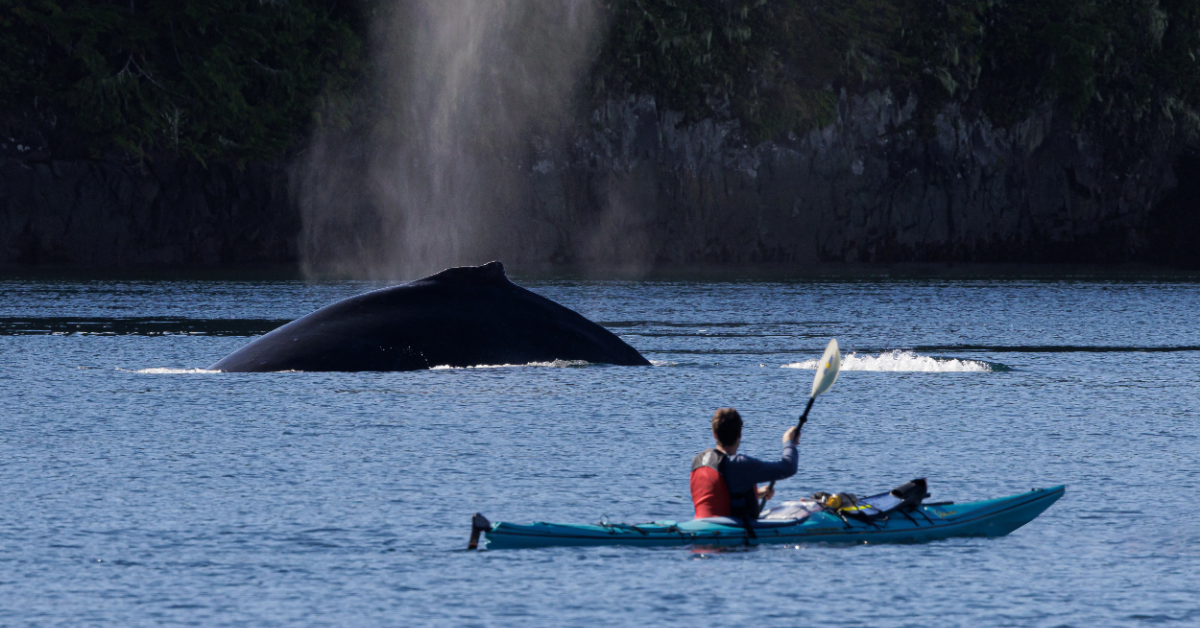
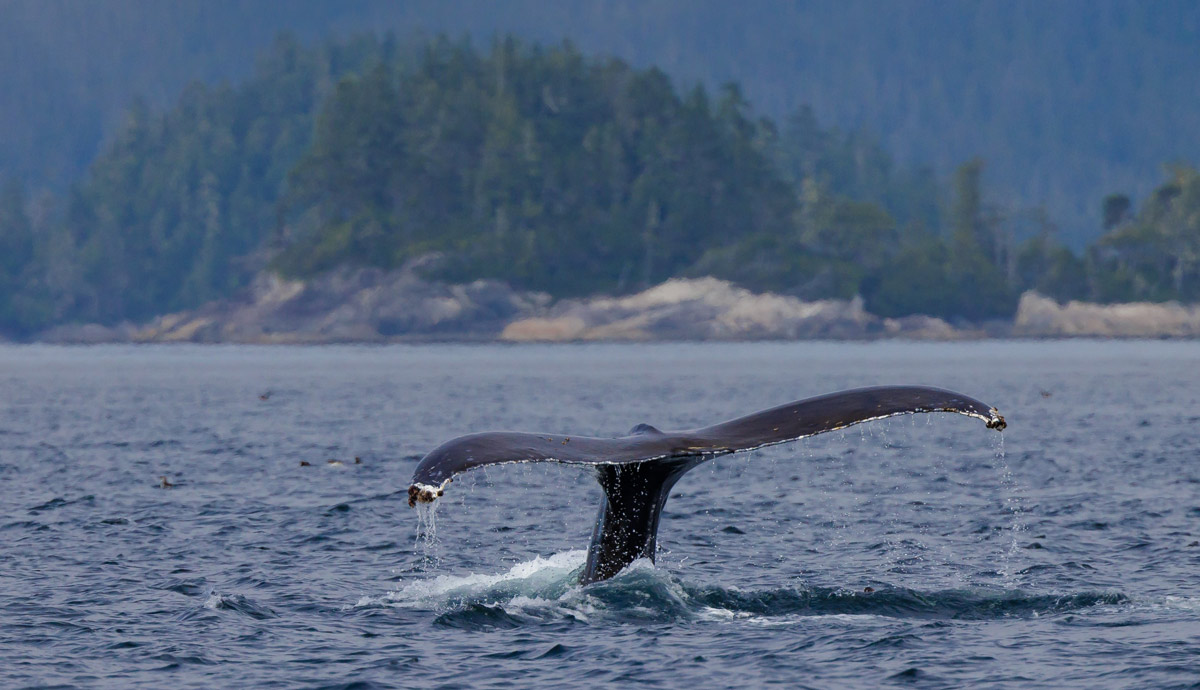
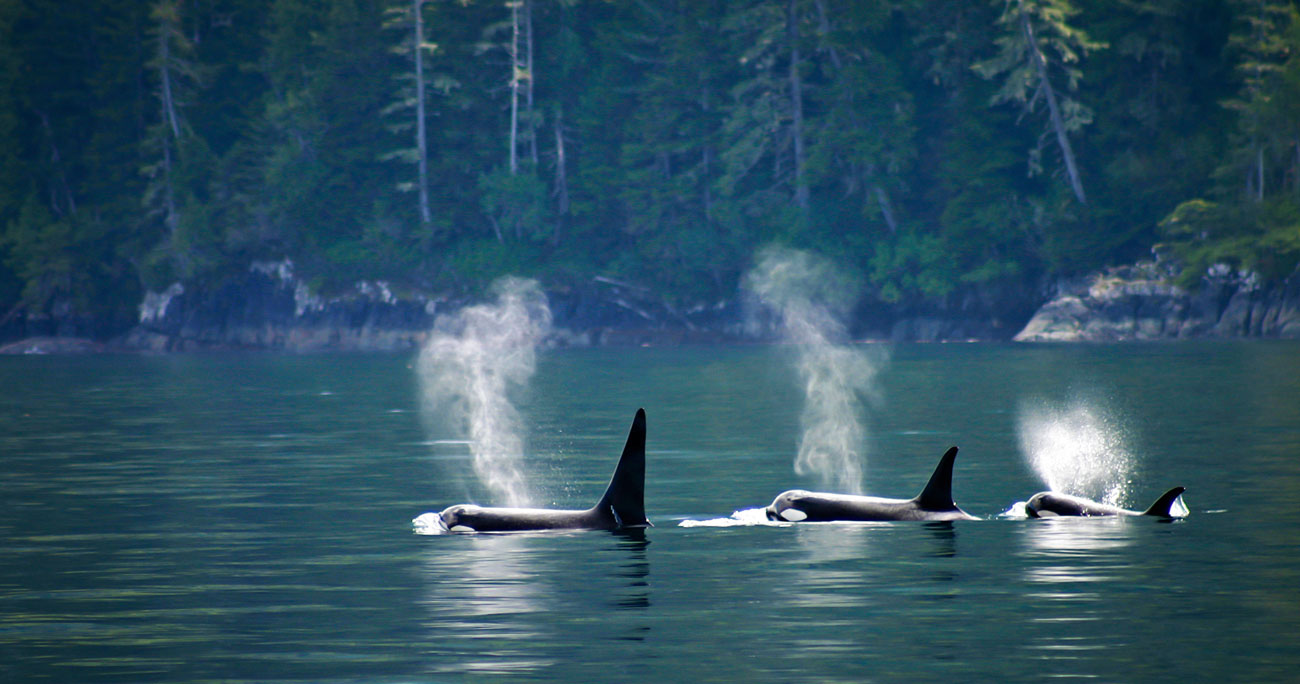
From my home on Quadra Island in British Columbia, where the Salish sea meets the Great Bear Sea, I consider myself fortunate that I can watch whales breach and buy fresh, ethical seafood straight from fishers at the dock. I fell in love with this place several years ago, I’ve fought to protect this amazing place ever since joining the CPAWS-BC team in 2013, when we first stood against Enbridge and oil tankers threatening this coast.
But today my sense of hope is shadowed by a deep, rising anger. Last week’s announcement that Canada is prepared to revoke its moratorium on oil tanker traffic in the Great Bear Sea feels like a betrayal – a political move that puts industry profits ahead of the coast, its wildlife and the communities who depend on them.
After decades of progress, why are we risking everything for short-term gain?
The habitats that support our whales, herring and salmon are already under siege: kelp forests are vanishing, sea stars have died off, and unpredictability and vulnerability of fish populations are causing conflict across industries and communities.
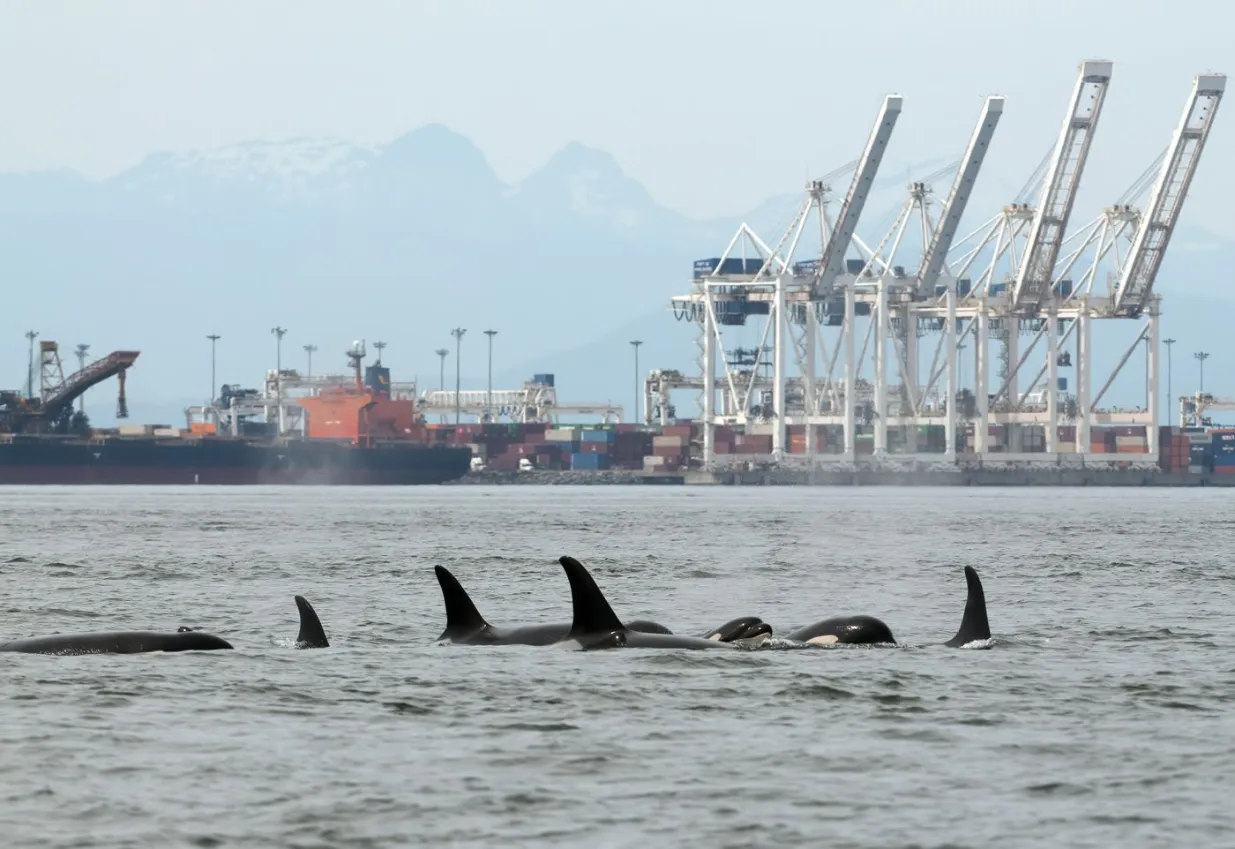
Even as humpback whales recover (though now at increasing risk of being mowed down by fast moving ships), tourism is booming (a blessing and a curse when you need to get a ferry), and collaborative efforts like the 2022 MPA network plan to protect some of the most important and vulnerable habitats and species across BC’s North Coast offer hope – the threat of bitumen oil tankers looms larger than ever.
This isn’t just policy – it’s personal. My partner works with Guardians from local First Nations to monitor critical habitats like estuaries and kelp so that we can do a better job of understanding the threats and protecting them.
I’ve spent years working to safeguard these coasts, and I know firsthand what’s at stake. I am not prepared to stand by while political decisions put my home, and the future of this coast, at risk. I am not only fighting for whales and herring and salmon, but for all of us, who depend on a healthy and thriving ocean.
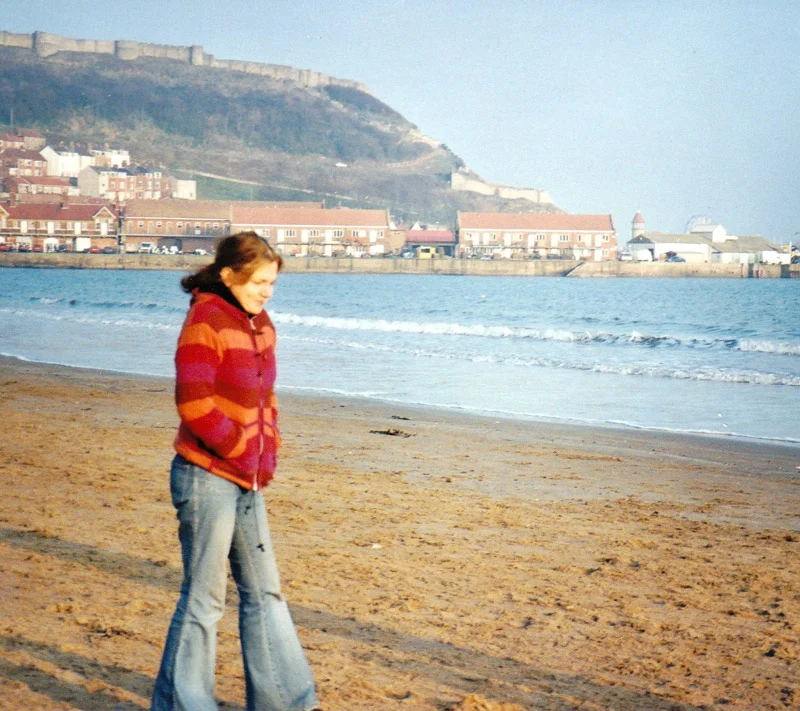
My resolve is shaped by experience. Before coming to Canada, I grew up in England, where my first encounter with oil spills was as a17 year-old on a school biology trip to , a small seaside town on the edge of the North Sea. I remember the horror of finding tar balls smothering the rock pools we’d been studying.

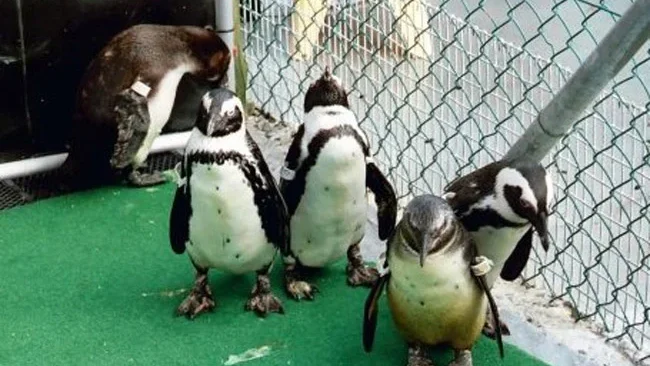
That wasn’t the first time oil scarred a place I loved, nor the last. As a 10-year-old I watched the footage of oil smothered seabirds and volunteers in hazmat suits desperately trying to rescue them from the Exxon Valdez spill. Just 4 years later I was looking at the rainbow sheen of oil residue on the beaches in Shetland, where I spent my summers as a kid, after the Braer tanker ran aground in 1993. Later, as a young adult, I volunteered in Cape Town, South Africa, helping rescue and rehabilitate African penguins after the Treasure oil spill in 2000.
These memories are haunting me today. I don’t want to see my community in hazmat suits, pressure-washing rocky shorelines or rescuing oil-soaked wildlife. The coast is no place for tar balls or oil tankers. We are all dependent on these habitats – whales, fish, and people alike. That is why, like so many others, I’ll fight to the end of my days to protect this coast from political decisions that cave to big corporate interests and threaten our livelihoods.
Article written by:
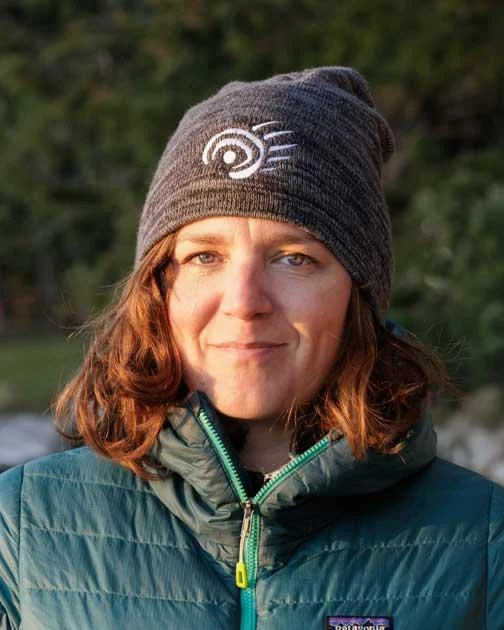
Alex Barron
National Director
CPAWS Ocean Program
Now is the time to act.
If you care about the future of Canada’s Pacific North Coast, make your voice heard. Contact your local elected officials and speak up in your communities. Let’s show our leaders that the coast is not for sale – that we will not stand by while short-term interests put our livelihoods, our wildlife and our future at risk. We can build a strong economy and protect our environment at the same time. We can no longer choose; we have to do both.

Canada’s Ugly Xmas Sweater
Write to the Prime Minister. Call your M.P. and key decision-makers.
Other articles you may be interested in:
-
 Government and Policy
Nature, Canada’s most overlooked mental health resource?
-
 Government and Policy, Wildlife
Endangered by Predatory Policy, Who Pays the Price?
-
 Government and Policy, Wildlife
Weakening Environmental Safeguards for a Pipeline Puts Orcas at Risk
-
 Government and Policy
Making Nature Decision-Relevant for Government and Business: A Roadmap for Canada
-
-
 Economy, Government and Policy
Speed Kills: Fast-Tracking Development is Risky Business
-
 Economy, Government and Policy
Nation-Building or Breaking?
-
 Economy, Government and Policy
A Force Of Nature?
-
 Government and Policy
How to Spot Misinformation
-
 Economy, Government and Policy
Statement: CPAWS response to “A Force of Nature: Canada’s Strategy to Protect Nature”
-
 Economy, Government and Policy
CPAWS In the News
-
 Government and Policy
Open Letter to Prime Minister Carney
-
 Biodiversity, Conservation, Government and Policy
The Clock is Ticking Yet the Work is Not Done
-
 Government and Policy
Skate to Where the Puck Is Going
-
 Coasts and Ocean, Government and Policy, Indigenous-led Conservation
CPAWS-BC stands with Coastal First Nations
-
 Economy, Government and Policy
Statement: Federal Audit shows we can protect 30% of nature by 2030, so why is the federal government hitting the brakes?
-
 Economy, Government and Policy
Statement: Nature Benched in Budget 2025
-
 Economy, Government and Policy
Addressing the Natural Infrastructure Policy Gap is Crucial to Nation-Building Success
-
 Government and Policy
Statement: CPAWS reacts to federal government’s first Nation Building Projects
-
 Coasts and Ocean, Government and Policy, Indigenous-led Conservation
Still Fighting for a Seat at the Table
-
 Government and Policy
“Canada Strong” Means Standing Up for Nature
-
 Economy, Government and Policy
Nature on the federal balance sheet: Time to stop funding the problem
-
 Government and Policy
Nation-Building Isn’t Just About Speed. It’s About Vision.
-
 Economy, Government and Policy
Canada’s nature is worth fighting for
-
 Coasts and Ocean, Government and Policy
What Changes in Politics Mean for Nature and Conservation
-
 Government and Policy, Indigenous-led Conservation
COP 16: MAKING PEACE WITH NATURE
-
 Conservation, Government and Policy
Environmental groups welcome the launch of Canada’s strategy to save nature
-
Biodiversity, Government and Policy
17 environmental groups present plan for nature ahead of World Biodiversity Summit
-
-
 Government and Policy, Parks and Protected Areas
Canadians expect more than a C average in conservation
-
Biodiversity, Government and Policy
CPAWS welcomes historic new global agreement to save nature