Elbows Up for Nature
Send a letter to have your voice heard
Two minutes is all it takes to reach the Ministers who’ll decide whether nature protections get fast-tracked away.
The email portal will send a message directly to key Ministers and cc’ your Member of Parliament.
Have Your Say: Tell the government that fast-tracking projects shouldn’t mean weaker nature protections.
Nature is our greatest asset.
To ‘Build Canada Strong’ the government shouldn’t have to dismantle safeguards for nature and communities. They’ve introduced new ways to fast-track economic growth, and their recently introduced Building Canada Strong Act (Bill C-39 ) aims to speed through decisions that . will reshape Canada in irreversible ways.
If C-39 gets voted into law, it will set the conservation clock back by decades. In addition to accelerating the process for major projects, the government is editing federal laws in a flurry and rushing them to Parliament for a vote. This pace means there is less time to review and understand the full impact of these big decisions, and true consultation can’t take place.
Now is the time for Canada to slow down think clearly, and build responsibly. Send a letter to Ministers and your local MP to remind them that nation-building must uphold environmental integrity, Indigenous rights, and community wellbeing.
Already sent a letter? Thank you.
You can send another (we’ve updated the one below), as Bill C-39 must be amended.
Explore more ways to get involved or donate to support nature protection.
It’s more than risky business If Bill C-39 approved, it could take us back to a time before environmental rules were written. It would:
- Exceptions for favored industries → Certain types of projects, like offshore renewable energy and pipelines, are not required to do environmental reviews – even if the project goes through a national park or protected area.
- “Regions of National Interest” could create concerning loopholes→ only a single assessment will be needed for a large area where multiple projects will develop, instead of reviewing each project individually to understand its impact on the environment and surrounding community.
- Clearer parameters are needed for these “regions”. Could they be established in areas where species at risk live, like caribou or the Southern Resident Killer Whale?
- Gives one minister power to grant permits and approvals → less transparency, politics over expertise, critical habitats and species treated as a trade‑offs for industry.
- Projects reviewed by industry-focused regulators →requiring ‘economic considerations’ could tip the balance toward economic interests and away from protecting vulnerable habitats and wildlife.
Read more, “Thirty Years of Weaker Rules. Nature Is Still Paying the Price”
Why this matters to you, and all Canadians
What we fight to protect today, shapes how Canada will look for future generations.
- Removing environmental guardrails increases biodiversity loss. This isn’t just an environmental issue, it’s an economic risk that creates supply chain disruptions, rising insurance costs and expensive disaster recovery.
- Decisions made now will shape what Canada’s public lands, waters, and wildlife look like for generations. Canadians deserve to understand what’s being proposed and how choices are made.
The government promised a road to prosperity for Canadians…
and that they would balance the needs of the economy and the environment to get us there; but building fast isn’t the same as building well. Protections are progress – treating our lakes, forests and natural spaces like our most valuable national assets. That’s a Canada worth building. When nature is healthy, it keeps our water drinkable, wildlife habitat intact, and communities safer from the impacts of climate change like floods, fires, and extreme temperatures.
Bill C-39 isn’t leadership. It’s backsliding. While CPAWS supports removing unnecessary barriers and reducing delays for project approvals, the current recommendations are not the answer that nature or Canadians need.
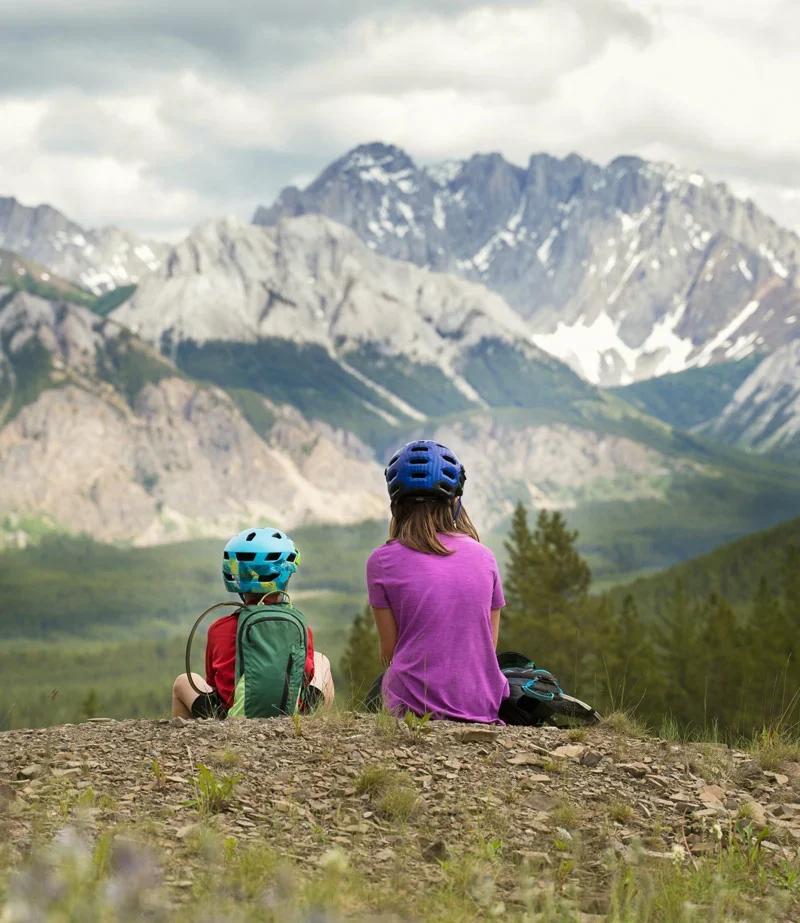

Protecting nature is progress, not red tape.
Get a breakdown of the policy jargon – what it means, and what you can do about it.
Promises & Pullbacks
Now, more than ever, nature needs your elbows up. It’s been a year of conservation whiplash with the federal government:
January 2025
Bill C-73 (Nature Accountability Act) is sidelined when parliament was prorogued. The Act wasn’t perfect, but it was a start.
April 2025
Things looked a little brighter when nature was introduced into the Liberal Election Platform—although the promises were mild, it was a step in the right direction.
June 2025
Bill C-5 “One Canadian Economy Act” was rushed through parliament, allowing a federal process that could scale back environmental protections and bypass consultation with Indigenous communities.
November 2025
The days got shorter and darker—so did nature’s prospects when nature was not mentioned at all in the federal budget and the Commissioner of the Environment and Sustainable Development Audit (CESD) showed how much more funding still needed to meet the scale of work needed to effectively reach Canada’s nature protection goals.
Late 2025
With the Nature Strategy still M.I.A, Carney then signed a Memorandum of Understanding with Alberta to carve new industrial corridors that would leave gaps in environmental safeguards, possibly putting the north Pacific coast and its communities at risk.
March 31st, 2026
The A Force of Nature strategy arrives, committing $3.5 billion over five years for conservation. This is a meaningful step forward. Now the test is delivery: can it get Canada back on track to protect 30% of our land, freshwater and ocean by 2030?
April 2026
Spring Economic Update announces additional funding; more than $250 million over five years with a commitment to mitigate risks for marine life along the pacific coast, as trade and ship traffic increases. The gap grows between funding and outcomes: we now have a paycheck, we’re waiting on the roadmap to reach our 2030 destination.
May 2026
An alarming proposal is announced with recommendations to expedite nation-building projects. By fast-tracking the impact assessment process, treating critical species and habitats as trade-offs for industrial opportunity, and suggesting “economic zones” to sidestep the normal rules, the proposal contradicts the nature protection values that were recently touted by A Force of Nature.
July 2026
Public consultation period closed on July 22. It asked Canadians and Indigenous peoples, to share their feedback on the government’s proposal for getting major projects built faster.
In September, the government demonstrated what they heard.
September 2026
The government released a report following July’s public consultation, capturing Canadians’ concerns with the proposed fast-tracking process for major projects, including: Economic Zones; changes to the Species at Risk Act; and that Canada Energy Regulator would be a sole assessor for pipeline projects.
Amid economic growth, the public expressed, “a desire to improve Canadian competitiveness and efficiency in regulation, to preserve environmental protections, and to uphold Indigenous rights.”
As a result, the government created Building Canada Strong Act (Bill C-39), for parliament to vote on. See why CPAWS is alarmed.