Addressing the Natural Infrastructure Policy Gap is Crucial to Nation-Building Success

Economy | Government and Policy
“Nature is core to Canada’s identity”
King Charles, 2025 Speech from the Throne
With Ottawa’s mid-September announcement of five major projects for potential fast-tracked approval – and more expected later this fall – under Bill C-5, the One Canadian Economy Act, Canada is entering a new phase of nation building.
Federal strategy aims to enhance Canada’s prosperity, economic security, autonomy and defence while respecting Indigenous Peoples’ rights and protecting the environment. We support these goals. Canada needs faster project delivery and major investments in infrastructure.
But Ottawa’s approach faces significant challenges to address Indigenous concerns and needs substantial improvement to fix its glaring omissions regarding supporting and valuing natural infrastructure.
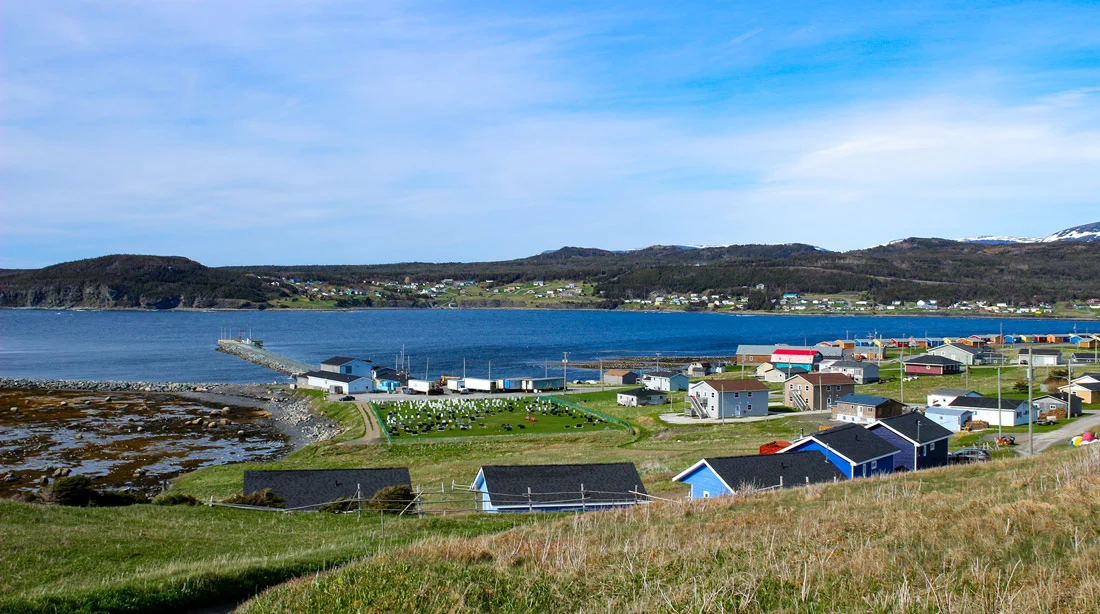
Canada’s nation-building strategy must include protecting the natural infrastructure we did not build, but that we rely on every day.
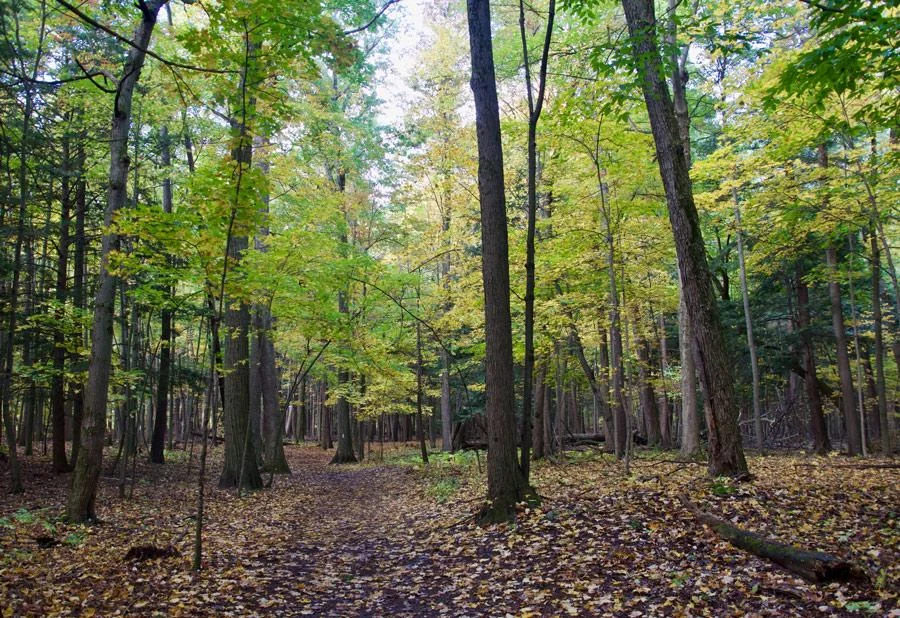
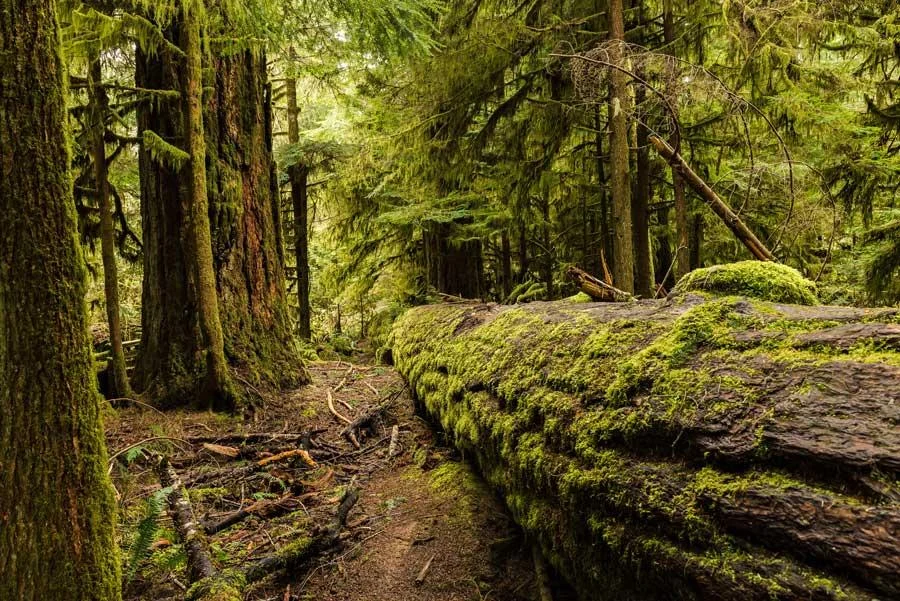
Wetlands that absorb floodwaters, forests that clean our air, and grasslands that stabilize our climate are crucial systems that quietly underpin our economy, health, and safety. Yet, they remain invisible in most development decisions.
Effective nation-building requires investment in natural capital, together with accounting for and sustaining the benefits of ecosystem services. They are vital prerequisites for Canadian economic success and quality of life in Canada.
Essential Economic Foundation
While Ottawa’s strategy focuses on natural resource extraction (e.g., oil, natural gas, and critical minerals that provide economic provisioning services), natural assets that provide economic infrastructure services are overlooked. Yet, global research and Canada’s Census of Environment clearly identify that assets such as wetlands, grasslands and forests deliver vital regulating and maintenance services from air filtration and water purification to fertile lands.
Natural assets and ecosystems provide foundational support for business productivity, GDP, trade, and a healthy workforce. Natural infrastructure’s economic benefits are a multiple of natural resource extraction. Wetlands alone are estimated to provide approximately $225 billion of natural services each year.
Climate Change Mitigation and Adaptation
The economic case for natural infrastructure is even stronger in the face of accelerating climate change. Natural capital’s importance bears emphasis given the surging losses from extreme weather for households, firms and governments. Insured catastrophic losses alone reached a record $9.2 billion in 2024, while uninsured losses are estimated to be three times this figure. Yet, Ottawa’s approach does not reflect natural infrastructure’s key role in climate mitigation and adaptation.
Natural infrastructure’s services, like carbon storage, flood and heat regulation, are also critical to contain governments’ fiscal pressures from rapidly escalating acute outlays during and after weather-driven emergencies and increasing public sector investment in climate change resiliency. Maintaining these existing services is cheaper than paying to replace them in the future.
International Lessons
Critics of Canada’s environmental regulations point to unnecessary delays, overlapping jurisdictions, and/or insufficient economic consideration. These concerns are legitimate, but the answer is not deregulation—it is smarter, more streamlined, and economically-grounded oversight.
Countries such as the Netherlands, Germany, the U.K., and several Nordic nations have implemented permitting systems that deliver both speed and economic certainty while recognizing the material value of natural systems. Although these countries do not have Indigenous rights holders such as Canada does, their models show that major project approvals can be accelerated without underpricing long-term environmental risks or undermining the resilience of natural systems.
Notably, New Zealand stands out for integrating Indigenous knowledge and legal traditions into its environmental decision-making.
Valuing and Accounting for Natural Infrastructure: A Policy Imperative
Streamlining environmental regulation without recognizing the financial value of natural infrastructure is a seriously flawed approach. Government accounts and economic decision-making processes currently do not capture the true costs of degrading and/or overusing the services we receive from natural assets. As a result, it is impossible to determine if projects that negatively impact natural infrastructure are truly in the “national interest.”
All levels of government need to embed natural capital accounting into their financial and regulatory frameworks, enabling better decision-making and long-term economic planning.
An official international public sector accounting standard is being developed that would enable recognition of the value of natural resources directly in government financial statements. The Census of Environment is collecting natural asset data that can eventually support formal accounting for Canada’s natural assets. Greater acceleration of these efforts is critical.
Looking ahead, Canada’s successful policy reset depends on more unified and efficient policy and regulation that includes valuing, accounting for and investing in natural infrastructure as an integral part of our economic strategy. It is a foundation of Canada’s economy and critical to address climate change.
Article written by:

Peter van Dijk is an Adjunct Professor, Goodman School of Business, Brock University and a senior fellow at the C.D. Howe Institute. He has conducted research and published a range of papers on the impact of climate change.
Email: [email protected]

James K. Stewart is an economist, a senior fellow at the C.D. Howe Institute, a member of the Intact Climate Centre advisory committee, and a board member of the Institute for Research on Public Policy.
Email: [email protected]

Joanna Eyquem is Vice President of the Climate Risk Institute, and holds over 30 related board and advisory positions, including chair of the board for the Natural Assets Initiative.
Email: [email protected]
Other articles you might be interested in:
-
 Government and Policy
Nature, Canada’s most overlooked mental health resource?
-
 Government and Policy, Wildlife
Endangered by Predatory Policy, Who Pays the Price?
-
 Government and Policy, Wildlife
Weakening Environmental Safeguards for a Pipeline Puts Orcas at Risk
-
 Government and Policy
Making Nature Decision-Relevant for Government and Business: A Roadmap for Canada
-
-
 Economy, Government and Policy
Speed Kills: Fast-Tracking Development is Risky Business
-
 Economy, Government and Policy
Nation-Building or Breaking?
-
 Economy, Government and Policy
A Force Of Nature?
-
 Government and Policy
How to Spot Misinformation
-
 Economy, Government and Policy
Statement: CPAWS response to “A Force of Nature: Canada’s Strategy to Protect Nature”
-
 Economy, Government and Policy
CPAWS In the News
-
 Government and Policy
Open Letter to Prime Minister Carney
-
 Biodiversity, Conservation, Government and Policy
The Clock is Ticking Yet the Work is Not Done
-
 Government and Policy
Skate to Where the Puck Is Going
-
 Coasts and Ocean, Government and Policy
Defend Our Pacific North Coast
-
 Coasts and Ocean, Government and Policy, Indigenous-led Conservation
CPAWS-BC stands with Coastal First Nations
-
 Economy, Government and Policy
Statement: Federal Audit shows we can protect 30% of nature by 2030, so why is the federal government hitting the brakes?
-
 Economy, Government and Policy
Statement: Nature Benched in Budget 2025
-
 Government and Policy
Statement: CPAWS reacts to federal government’s first Nation Building Projects
-
 Coasts and Ocean, Government and Policy, Indigenous-led Conservation
Still Fighting for a Seat at the Table
-
 Government and Policy
“Canada Strong” Means Standing Up for Nature
-
 Economy, Government and Policy
Nature on the federal balance sheet: Time to stop funding the problem
-
 Government and Policy
Nation-Building Isn’t Just About Speed. It’s About Vision.
-
 Economy, Government and Policy
Canada’s nature is worth fighting for
-
 Coasts and Ocean, Government and Policy
What Changes in Politics Mean for Nature and Conservation
-
 Government and Policy, Indigenous-led Conservation
COP 16: MAKING PEACE WITH NATURE
-
 Conservation, Government and Policy
Environmental groups welcome the launch of Canada’s strategy to save nature
-
Biodiversity, Government and Policy
17 environmental groups present plan for nature ahead of World Biodiversity Summit
-
-
 Government and Policy, Parks and Protected Areas
Canadians expect more than a C average in conservation
-
Biodiversity, Government and Policy
CPAWS welcomes historic new global agreement to save nature