Making Nature Decision-Relevant for Government and Business: A Roadmap for Canada
Government and Policy
Four Main Messages From This Article
- Nature is one of Canada’s most important economic assets, providing ecosystem services that support communities, businesses, infrastructure, public health, and economic prosperity.
- Despite its immense value, much of nature’s contribution remains invisible in the systems that drive economic, fiscal, infrastructure, and investment decisions.
- International standards, national accounting initiatives, and leading countries are demonstrating practical ways to measure, value, manage, and disclose nature-related information.
- Canada can build on this momentum through four practical initiatives: accelerating natural capital accounts, embedding nature in decision-making, mobilizing investment in nature, and integrating nature into public sector accounting standards.
On this page
- Nature Is One of Canada’s Most Important Economic Assets
- Nature’s Economic Value Lacks Visibility
- Momentum Is Building to Make Nature Visible
- Building the Measurement Foundation
- Emerging Standards and Guidance
- Momentum in Public Sector Accounting
- Canadian Leadership and Innovation
- Lessons from Leading International Peers
- The United Kingdom: Making Nature Decision-Relevant
- The Netherlands: Embedding Nature in National Planning
- Nature Risk and Financial Decision-Making
- Lessons for Canada
- Four Practical Steps for Canada
- Accelerate Canada’s Natural Capital Accounts and Ecosystem Service Valuation
- Embed Natural Assets in Infrastructure, Fiscal and Regional Decision-Making
- Leverage Nature’s Value Through Investment and Nature Finance
- Integrate Nature into Canadian Public Sector Accounting Standards
Introduction
Canada’s A Force of Nature strategy, released in March 2026, announced Ottawa’s intention to establish an Expert Taskforce on Natural Capital Accounting and Nature Financing. This initiative is one of three pillars in the federal nature strategy, alongside commitments to protect and conserve more lands and marine areas and to design infrastructure projects that work with nature rather than against it.
The federal Taskforce initiative offers significant potential. While valuing nature and mobilizing capital for conservation have been discussed for many years, there is a growing recognition that Canada’s economic, financial, and accounting systems must evolve if investments in nature are to become mainstream.
We support the proposed Taskforce given its potential catalytic role. It can build meaningfully on domestic efforts already underway and, importantly, help Canada learn from and build on the experiences of leading countries around the world. Better approaches are urgently needed by federal, provincial, territorial, and most local governments, as well as by the private sector, given Canada’s deep economic dependence on nature.
However, the Taskforce is not intended to be an all-encompassing solution, nor should it be. There are numerous opportunities to advance natural capital accounting, ecosystem service valuation, nature-related risk management, and nature finance in parallel. Progress in areas beyond the Taskforce work is essential and feasible now. It should not wait for the completion of future reports and recommendations.
The broader challenge facing Canada is that too much of nature’s value remains invisible in the systems that guide economic, fiscal, infrastructure, and investment decisions.
As a result, nature is routinely under-valued, under-invested in, and too often degraded or lost despite providing enormous benefits to Canadians and the economy.
This paper explains why making nature more visible is important, highlights emerging international standards and leading practices, and examines lessons from international peers. We propose four practical initiatives that can help Canada reduce the rising costs and risks associated with nature loss while strengthening long-term economic prosperity and resilience.
I. Nature Is One of Canada’s Most Important Economic Assets
For most Canadians, nature is an integral part of both national identity and personal well-being. Canadians consistently identify clean air, clean water, healthy forests, lakes, oceans, and wildlife as defining characteristics of the country. Nature provides cultural, recreational, spiritual, environmental, and health benefits that contribute significantly to quality of life.
Economists describe these benefits collectively as ecosystem services—the benefits people obtain from natural assets.
Ecosystem services are generally grouped into three categories.

Provisioning services are products obtained from ecosystems, including food, timber, fibre, fresh water, and other natural resources.
Regulation and maintenance services regulate ecosystem processes and support the production of other ecosystem services. Examples include carbon sequestration, climate regulation, flood mitigation, water filtration, pollination, soil formation, and nutrient cycling.
“Cultural” services encompass recreational, aesthetic, spiritual, educational, and health benefits derived from nature. These services contribute significantly to physical and mental well-being while supporting tourism, recreation, and community resilience.
While Canadians often recognize these benefits intuitively, their economic significance remains underappreciated.
A growing body of research demonstrates that natural assets generate enormous economic value. For example, as explored and highlighted in the CPAWS report Widely Enjoyed but Inadequately Valued, the multi-billion dollar boosts to economic output, jobs, labour income and tax revenues from protected and conserved areas are far in excess of the government support provided.
A 2023 Parks Canada study estimated that the total ecosystem services provided by Canada’s national parks and marine conservation areas generate annual benefits ranging from $156 billion to $588 billion, with a midpoint estimate of roughly $372 billion per year.
More broadly, Canada’s A Force of Nature strategy cites the major study showing that the annual value of ecosystem services provided by Canadian nature may exceed $3.6 trillion per year—more than twice Canada’s annual GDP.

In sum, the economic importance of nature extends far beyond traditional conservation objectives.
Natural assets support agriculture, forestry, fisheries, tourism, transportation, energy systems, and community infrastructure. Wetlands reduce flood damage. Forests store carbon and regulate water flows. Coastal ecosystems help protect communities from storms and erosion. Urban green spaces reduce heat stress and improve public health outcomes. These services reduce costs, support productivity, and strengthen economic resilience.
Natural assets’ vital role is evident in the economic repercussions from the loss and degradation of natural capital since the early 1990s. Its decline has contributed substantially to the decrease in productivity and economic growth globally and in Canada.
Major economic and fiscal benefits of natural assets include their green infrastructure roles in support of greater climate change resilience and reduced pressure on built (“grey”) infrastructure. As climate-related risks rise, healthy ecosystems increasingly complement or substitute for grey infrastructure while often delivering multiple other benefits simultaneously. Investments in wetlands, forests, watersheds, and other natural systems can reduce long-term public expenditures while enhancing climate resilience and biodiversity outcomes.
Despite its immense contributions, nature remains largely invisible in many of the systems used to guide public policy, fiscal planning, infrastructure investment, and financial decision-making.
II. Nature’s Economic Value Lacks Visibility
The challenge facing Canada is that much of the economic value of natural assets is not systematically measured, reported, or incorporated into decision-making.
Many of the most important ecosystem services do not have observable market prices. The economic benefits of clean air, flood protection, biodiversity, carbon sequestration, pollination, and water filtration remain absent from most government budgets and financial statements, and too often are missing in business cases, and investment analyses.
As a result, natural assets are frequently treated as though they have little or no value in economic and financial decision-making by governments and businesses.
This lack of visibility has important consequences.
The absence of consistent measurement and reporting contributes to chronic under-investment in natural assets and ecosystem restoration. It reinforces misleading narratives that frame economic development and environmental protection as competing objectives when, in reality, healthy ecosystems are foundational to long-term economic prosperity.
The economic consequences of nature loss are increasingly evident. The degradation of natural capital has contributed to growing economic risks globally and in Canada, including increased exposure to flooding, wildfire, drought, biodiversity loss, and declining ecosystem resilience. These impacts create costs for governments, businesses, households, insurers, and investors.
The challenge is compounded by limitations in current accounting and reporting systems.
While accounting frameworks play a critical role in measuring and communicating value, recognition and disclosure of natural assets and ecosystem services remain limited in most public and private sector financial reports. For example, under current Canadian public sector accounting standards, many natural resources and Crown lands that have not been purchased are excluded from financial statements.
Importantly, improving visibility does not necessarily require immediate recognition of natural assets on government balance sheets. Leading international experience demonstrates that governments can make nature decision-relevant for the public and private sectors. This requires improved measurement, valuation, disclosure, risk assessment, and investment appraisal long before formal accounting recognition is considered.
In short, nature does not need to be fully accounted for before it can be better managed. The First step is to make nature visible.
The encouraging news is that this process is already underway. Across Canada and internationally, governments, standard setters, researchers, investors, and conservation organizations are developing the tools needed to better measure, value, manage, finance, and ultimately account for natural assets and ecosystem services.
III. Momentum Is Building to Make Nature Visible
The challenge of making nature visible in decision-making is not unique to Canada. Around the world, governments, standard setters, financial institutions, businesses, and researchers are developing practical tools to measure, value, manage, disclose, and account for natural assets and ecosystem services.
Collectively, these initiatives represent an important shift. Nature is increasingly being recognized not only as an environmental concern but also as an economic, financial, infrastructure, and risk-management issue.
Importantly, these efforts do not depend on a single framework or standard. Rather, a growing ecosystem of complementary initiatives is emerging that supports better decision-making across the public and private sectors.
Building the Measurement Foundation
Measurement is the starting point.
Without reliable information on the extent, condition, and benefits of natural assets, governments and organizations cannot effectively manage them or incorporate them into decision-making.
At the international level, the United Nations System of Environmental-Economic Accounting – Ecosystem Accounting (SEEA-EA) has become the leading framework for organizing information on natural assets and ecosystem services. More than 50 countries are now developing ecosystem accounts using this internationally recognized approach.
SEEA-EA provides a structured framework for measuring ecosystem extent, ecosystem condition, and ecosystem services in both physical and, where appropriate, monetary terms. Importantly, it complements and improves upon, rather than replaces, traditional economic accounts. Its objective is to provide decision-makers with better information about how nature contributes to economic and social well-being.
Canada is participating actively in this effort. Through Statistics Canada’s Census of Environment initiative, Canada has begun compiling national natural capital accounts consistent with SEEA-EA. Ecosystem extent and condition datasets are already available for urban ecosystems, agroecosystems, coastal and marine ecosystems, and salt marshes, while selected ecosystem service valuations have also been completed.
While much work remains to be done, these initiatives are creating the foundation for a more comprehensive understanding of Canada’s natural assets and the services they provide.
Emerging Standards and Guidance
As measurement efforts expand, a growing set of standards and guidance is emerging to help organizations apply this information in practice.
Three important International Organization for Standardization (ISO) standards were published in late 2025:
- ISO 14054 – Natural Capital Accounting for Organizations, which supports consistent measurement and valuation of natural capital and ecosystem services;
- ISO 17298 – Biodiversity in Strategy and Operations, which helps organizations integrate biodiversity considerations into governance and decision-making; and
- ISO 17620 – Biodiversity Net Gain, which provides a framework for ensuring that development activities leave nature in a measurably better condition than before.
While voluntary, these standards provide practical tools that can help organizations better understand their dependencies and impacts on nature.
At the same time, nature-related risks are receiving increasing attention within financial markets.
The Taskforce on Nature-related Financial Disclosures (TNFD) has developed a framework to help organizations identify, assess, manage, and disclose nature-related risks and opportunities. Although adoption remains relatively limited in Canada, interest is growing internationally, particularly among financial institutions and large corporations seeking to better understand nature-related dependencies and exposures.
The broader significance of these developments extends beyond disclosure itself.
They reflect growing recognition that ecosystem degradation can create material financial, operational, and strategic risks for businesses, investors, lenders, and insurers.
Momentum in Public Sector Accounting
Public sector accounting is also evolving globally and in Canada.
In 2025, the International Public Sector Accounting Standards Board (IPSASB) issued IPSAS 51, Tangible Natural Resources Held for Conservation. The standard provides guidance for the recognition and measurement of certain natural resources held for conservation purposes by public sector entities.
Importantly, IPSAS 51 takes a cautious and disciplined approach. It does not suggest that all natural assets should automatically appear on public sector balance sheets. Rather, it establishes criteria for determining when recognition is appropriate while also providing guidance on disclosures for assets that may not qualify for recognition.
This distinction is important. Recognition and disclosure serve different purposes. Assets that do not meet recognition criteria are not ignored; they can still be disclosed and described in ways that improve transparency and support decision-making.
For many governments, this approach may provide a practical pathway for increasing visibility of natural assets while preserving the integrity and credibility of public sector financial reporting.
Canadian Leadership and Innovation
A number of important Canadian initiatives are already helping make nature more visible.
The Standards Council of Canada (SCC) has identified natural assets and nature-based solutions as a strategic area of focus. A National Standard of Canada for natural asset inventories has already been published, while standards addressing natural asset condition assessment, risk assessment, and lifecycle costing are under development.
SCC is also supporting work to integrate social and ecosystem outcomes into infrastructure options appraisal and to develop guidance for valuing selected ecosystem services.
At the municipal level, a group of forward-looking local governments across Canada have become public sector leaders in natural asset management. More than 180 municipalities are inventorying, assessing, and/or managing natural assets as part of their infrastructure systems. Some municipalities, including Calgary and Mississauga, have begun incorporating unaudited natural asset disclosures into their financial reports.


Canada is also advancing standards and guidance for nature-based infrastructure solutions. New standards expected in 2026 will help guide the use of natural systems to address challenges such as flooding, erosion, watershed management, and agricultural resilience.
Meanwhile, financial sector initiatives are gaining momentum. Finance Montréal recently launched a Finance and Biodiversity Community of Practice, while institutions such as La Caisse de Dépot et Placement du Québec and Desjardins are actively examining nature-related risks, dependencies, and investment opportunities.
Taken together, these initiatives demonstrate that the tools needed to make nature more visible are emerging rapidly.
The challenge for Canada is no longer whether such tools exist. The challenge is how to use them systematically to improve decision-making.
IV. Lessons from Leading International Peers
Canada is not alone in seeking better ways to recognize nature’s contribution to economic prosperity and societal well-being. Several countries have already demonstrated how natural capital and ecosystem service information can be integrated into public decision-making.
Their experiences show that progress does not require waiting for perfect data, comprehensive valuation, or full balance-sheet recognition.
Rather, meaningful advances can occur when governments begin systematically measuring nature and using that information to inform policy, investment, and risk management decisions. While each country has followed its own path, several common lessons emerge.
The United Kingdom: Making Nature Decision-Relevant
The United Kingdom provides one of the most practical examples of how natural capital information can become embedded in public decision-making.
Over the past decade, the UK Office for National Statistics (ONS) has institutionalized natural capital accounts consistent with the UN SEEA-EA framework. These accounts measure ecosystem extent, condition, and ecosystem service flows in both physical and, where appropriate, monetary terms. They are produced as official statistics and provide a credible, repeatable evidence base for government decision-making.
Importantly, the UK did not begin by attempting to place ecosystem values directly onto government balance sheets. Instead, it focused first on building information and making that information useful.
This distinction matters.
By separating ecosystem measurement from formal financial statement recognition, the UK was able to improve transparency and decision-making while avoiding many of the concerns associated with premature valuation debates.
The UK’s experience also demonstrates that measurement alone is not enough.
Natural capital information has increasingly been integrated into public policy and investment decisions through HM Treasury’s Green Book, which governs the appraisal and evaluation of public programs, policies, and infrastructure projects.
The Green Book encourages decision-makers to consider environmental impacts, ecosystem services, and natural capital effects alongside traditional economic and financial considerations. As a result, ecosystem degradation is more likely to be recognized as a future cost and risk rather than treated as an externality.
In practice, this means that investments affecting wetlands, forests, watersheds, and other ecosystems can be assessed more comprehensively, helping governments better understand long-term costs, benefits, and trade-offs.
The UK’s experience offers an important lesson for Canada: nature can become decision-relevant long before it becomes balance-sheet relevant.
The Netherlands: Embedding Nature in National Planning

The Netherlands offers a complementary lesson.
While the UK demonstrates how ecosystem information can support better public investment decisions, the Netherlands illustrates how ecosystem accounting can become embedded within national planning and policy frameworks.
The Dutch government has been a global leader in integrating natural capital and ecosystem accounting into land-use planning, environmental management, and policy development. Ecosystem accounts have become a routine component of the country’s statistical infrastructure and provide decision-makers with information on the condition and contribution of natural assets.
The Dutch experience demonstrates that ecosystem accounting can be institutionalized at a national scale and used routinely to support planning and policy decisions.
Perhaps more importantly, it reinforces a central message of this paper: natural capital accounting is not solely an accounting exercise. It is fundamentally about improving the information available to governments, businesses, investors, and communities when making decisions that affect natural assets.
Nature Risk and Financial Decision-Making
A third lesson emerging internationally is the growing recognition that nature loss creates economic and financial risk.
This shift is reflected in the increasing attention being paid to nature-related risks by financial institutions, corporations, insurers, and investors.
Frameworks such as the TNFD encourage organizations to identify their dependencies and impacts on nature and assess how ecosystem degradation may affect financial performance, operational resilience, and long-term value creation.
While adoption remains relatively limited in Canada, momentum is building internationally. Countries such as Japan have emerged as global leaders in nature-related disclosure, demonstrating how public policy, financial institutions, and businesses can work together to improve understanding of nature-related risks and opportunities.
The significance of these developments extends beyond disclosure.
Public sector natural capital accounting, private sector risk assessment frameworks, and emerging sustainability reporting initiatives are beginning to converge around a common objective: making nature visible within decision-making systems.
This convergence creates opportunities to improve consistency across governments, businesses, financial institutions, and investors while reducing the costs associated with collecting, managing, and reporting nature-related information.
Lessons for Canada
The experiences of the United Kingdom, the Netherlands, and other leading jurisdictions demonstrate that there is no single pathway for integrating nature into economic and financial decision-making.
However, several lessons stand out.
First, measurement must come before management.
Second, nature-related information becomes most valuable when it is integrated into real-world decisions rather than produced solely for reporting purposes.
Third, governments do not need to wait for perfect accounting standards before taking meaningful action.
Finally, the greatest benefits often arise when natural capital information informs infrastructure planning, fiscal decision-making, risk management, conservation, and investment decisions simultaneously.
Canada has already begun moving in this direction. The question now is how to accelerate progress and build on existing strengths.
The next section proposes four practical initiatives that would help achieve that objective.
V. Four Practical Steps for Canada
Canada has already begun building many of the foundations needed to make nature more visible in decision-making. Statistics Canada is developing natural capital accounts. Forward-looking municipalities are managing natural assets as infrastructure. Standards are emerging. Financial institutions are increasingly examining nature-related risks and opportunities.
The opportunity now is to dramatically accelerate and connect these efforts through a practical and coordinated national approach.
The following four initiatives could help Canada reduce the growing economic, fiscal, and environmental costs associated with nature loss while strengthening long-term prosperity, resilience, and competitiveness.
1. Accelerate Canada’s Natural Capital Accounts and Ecosystem Service Valuation
The first priority is measurement. Canada should accelerate the development of its national natural capital accounts and ecosystem service valuation initiatives through Statistics Canada’s Census of Environment and related programs.
Reliable information on the extent, condition, and benefits of natural assets is essential for effective decision-making. Governments cannot effectively manage, protect, restore, or invest in assets that are not systematically measured.
Canada has already made important progress through its ecosystem accounting work, but significant information gaps remain. Accelerating data collection, ecosystem monitoring, and ecosystem service valuation would provide governments, businesses, investors, Indigenous communities, and conservation organizations with better information for decision-making.
The federal government should also explore mechanisms to improve the long-term consistency and availability of ecosystem data, recognizing that natural capital information is becoming increasingly important to economic, fiscal, infrastructure, and environmental planning.
Accelerating Canada’s natural capital accounts and ecosystem service valuation builds on notable Canadian efforts already. Statistics Canada has already established important foundations through the Census of Environment initiative. Canada is an active participant in the international SEEA-EA ecosystem accounting community.
Above all, Canada possesses some of the world’s most significant natural assets, including globally important forests, wetlands, freshwater systems, grasslands, coastlines, and marine ecosystems.
The goal and feasible outcome is a comprehensive and credible evidence base in Canada that supports better economic, environmental, infrastructure, and investment decisions.
2. Embed Natural Assets in Infrastructure, Fiscal and Regional Decision-Making
Measurement alone does not change outcomes.
Natural capital information must be integrated into the decisions that shape Canada’s future.
The federal government should work with provinces, territories, Indigenous governments, municipalities, and infrastructure agencies to incorporate natural assets, ecosystem services, and nature-related risks into:
- infrastructure planning and asset management;
- major project appraisal and cost-benefit analysis;
- fiscal risk assessments;
- adaptation and resilience planning; and
- long-term economic development strategies.
Particular attention should be given to expanding the use of nature-based infrastructure solutions where they can deliver environmental, social, and economic benefits alongside traditional infrastructure objectives.
Canada should also make greater use of Regional Assessments under the Impact Assessment Act as a platform for integrating natural capital accounting, ecosystem service valuation, cumulative effects assessment, and long-term infrastructure planning at a landscape scale.
Regional Assessments provide a practical mechanism for bringing together ecological, economic, social, and Indigenous knowledge to support better decision-making across large geographic areas. They offer an opportunity to move beyond project-by-project analysis and consider how natural assets contribute to regional resilience, economic prosperity, biodiversity conservation, and climate adaptation.
Embedding natural assets in Canadian infrastructure, fiscal and regional decision-making is a critical objective and feasible for several reasons.
Canada is already recognized internationally as a leader in natural asset management at the municipal level. The National Infrastructure Assessment has highlighted the importance of improved asset management and long-term infrastructure planning. Existing federal legislation provides opportunities to scale the use of Regional Assessments and related landscape-level planning approaches.
The goal and desired outcome is for natural assets to become a routine part of infrastructure, fiscal, and development decisions, helping reduce long-term costs and improve resilience.
3. Leverage Nature’s Value Through Investment and Nature Finance
Improved measurement and decision-making create opportunities to mobilize capital in support of conservation, restoration, and sustainable management of natural assets. Canada can build on its growing leadership in nature finance by expanding successful models and developing new investment platforms capable of attracting public, philanthropic, and private capital.
Expand Indigenous-Led Project Finance for Permanence Initiatives
PFP initiatives have emerged as one of the world’s most innovative approaches to financing large-scale conservation while supporting Indigenous stewardship, governance, and community well-being.
Canada has already established itself as a global PFP leader through several successful initiatives. Expanding these models within Canada would support biodiversity conservation, climate resilience, and reconciliation while creating lessons that can be shared internationally.
Canada should also work with international partners to promote the expansion of Indigenous-led conservation finance models in other jurisdictions.
Convene a Global Boreal Forest Investment Program
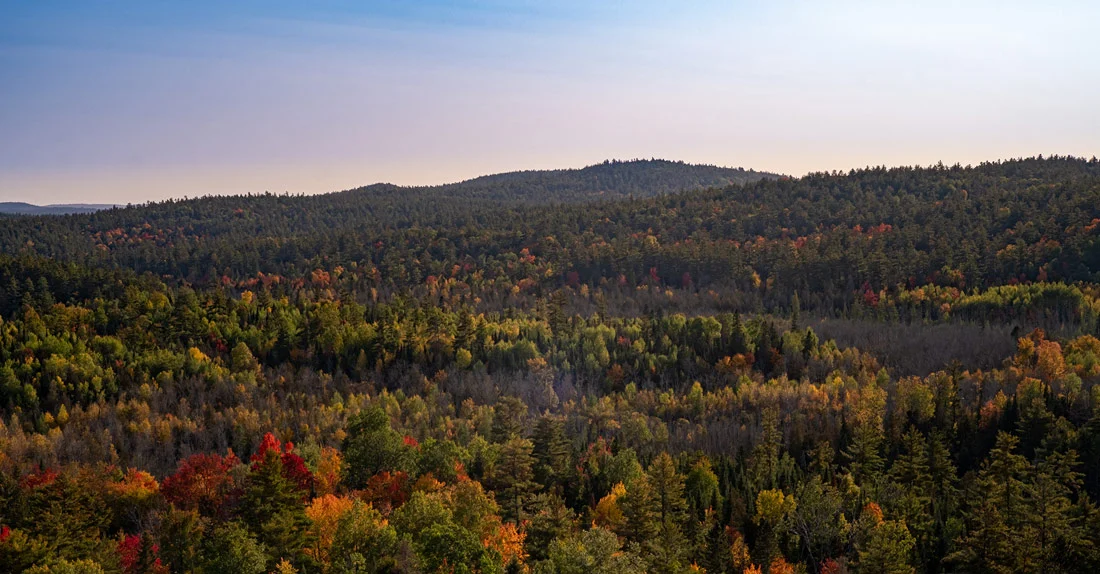
Canada has a unique opportunity to lead internationally through the creation of a coordinated investment initiative focused on the world’s largest terrestrial carbon store: the boreal forest.
The boreal forest provides globally significant climate regulation, biodiversity, water regulation, and cultural benefits. Its continued degradation would create environmental, economic, and geopolitical risks extending well beyond Canada’s borders.
A Global Boreal Forest Investment Program could help mobilize public and private capital to support conservation, restoration, Indigenous stewardship, sustainable management, and climate resilience across boreal regions. This initiative could build on existing conservation finance efforts and position Canada as a global leader in nature investment and natural asset stewardship.
Expanding Indigenous-led project finance for permanence initiatives and convening a global boreal forest investment program build upon major Canadian strengths.
Canada’s position as a leader in Indigenous-led conservation finance, and its significant portion of the world’s boreal forest create a robust platform to promote these opportunities. Further advantages arise from Canada’s strong relationships with international partners facing similar conservation and climate challenges.
The potential for large-scale gains and other advantages from these initiatives merit highlighting. The critical benefits of enhanced Indigenous stewardship and reconciliation also bear emphasis. Increased investment in natural assets and ecosystem services would occur while greater climate resilience and biodiversity protection would be achieved. There would also be new opportunities for sustainable economic development.
4. Integrate Nature into Canadian Public Sector Accounting Standards
Accounting remains an important part of the long-term solution.
However, accounting should be viewed as the culmination of a broader process that begins with measurement, valuation, management, and investment.
Canada should support efforts by the Public Sector Accounting Board (PSAB) and other relevant bodies to evaluate and implement emerging international guidance, including IPSAS 51, where appropriate.
Doing so would help improve the visibility of natural assets within public sector financial reporting while maintaining the integrity and credibility of financial statements.
Importantly, not all natural assets need to be recognized on balance sheets to become decision-relevant.
Recognition and disclosure serve different purposes. Even where recognition criteria are not met, meaningful disclosures can improve transparency by providing information about the nature, condition, significance, and risks associated with natural assets.
This distinction offers a practical and fiscally responsible pathway for increasing transparency while avoiding concerns about speculative valuation.
Canada is particularly well positioned to contribute to international leadership in this area given its extensive natural assets, the close relationship between PSAB and IPSASB, and the growing body of practical experience being developed by Canadian governments and organizations.
Canada’s opportunity for leadership in integrating nature into Canadian public sector accounting standards begins with its globally significant public natural assets. Parks Canada and others have already undertaken important ecosystem valuation work. Canadian experts have played significant roles in the development of international public sector accounting standards.
Canada’s opportunity to become one of the first countries to implement a comprehensive and credible approach to natural asset reporting offers multiple advantages. These begin with improved transparency regarding public natural assets. Better integration of nature into public sector decision-making would also be achieved. Stronger incentives would be put in place to protect, restore, and sustainably manage ecosystem services for future generations.
Conclusion
Nature is one of Canada’s most important assets. Yet much of its value remains invisible in the systems that guide economic, fiscal, infrastructure, and investment decisions.
This is beginning to change. International standards, ecosystem accounting frameworks, nature-related disclosure initiatives, and practical experience from Canada and other countries are demonstrating how nature can become more visible and more decision-relevant.
The pending federal Taskforce is a welcome initiative with a potentially very important catalytic role in getting nature on the balance sheet and into financial reporting.
Yet, the path forward does not begin with accounting alone. It begins with measurement, and continues through better planning, investment, and risk management.
And ultimately, where appropriate, it can be reflected in reporting and accounting systems that better recognize the contribution of natural assets to society and the economy.
This is an opportunity that is essential for Ottawa and the provinces to achieve. Canada’s public and private sectors can build upon existing Canadian and international momentum to become global leaders in making nature visible within the decisions that shape our collective future.
Article written by:

Peter van Dijk
Peter van Dijk is an Adjunct Professor at Brock University’s Goodman School of Business and a Senior Fellow at the C.D. Howe Institute. His work focuses on making nature decision-relevant for governments, businesses, and investors through improved valuation, accounting, and market-based approaches. Combining experience as a senior business executive, policy advisor, and academic, he has published widely on climate change, sustainable finance, and natural assets. His current PhD research explores how natural asset and ecosystem services valuation and accounting can help make nature an investable asset class.
Email: [email protected]

James K. Stewart
James K. Stewart is an economist, a senior fellow at the C.D. Howe Institute, a member of the Intact Climate Centre advisory committee, and a board member of the Institute for Research on Public Policy.
Email: [email protected]

Joanna Eyquem
Joanna Eyquem is Vice President of the Climate Risk Institute, and holds over 30 related board and advisory positions, including chair of the board for the Natural Assets Initiative.
Email: [email protected]
Other articles you may be interested in:
-
 Government and Policy
Nature, Canada’s most overlooked mental health resource?
-
 Government and Policy, Wildlife
Endangered by Predatory Policy, Who Pays the Price?
-
 Government and Policy, Wildlife
Weakening Environmental Safeguards for a Pipeline Puts Orcas at Risk
-
-
 Economy, Government and Policy
Speed Kills: Fast-Tracking Development is Risky Business
-
 Economy, Government and Policy
Nation-Building or Breaking?
-
 Economy, Government and Policy
A Force Of Nature?
-
 Government and Policy
How to Spot Misinformation
-
 Economy, Government and Policy
Statement: CPAWS response to “A Force of Nature: Canada’s Strategy to Protect Nature”
-
 Economy, Government and Policy
CPAWS In the News
-
 Government and Policy
Open Letter to Prime Minister Carney
-
 Biodiversity, Conservation, Government and Policy
The Clock is Ticking Yet the Work is Not Done
-
 Government and Policy
Skate to Where the Puck Is Going
-
 Coasts and Ocean, Government and Policy
Defend Our Pacific North Coast
-
 Coasts and Ocean, Government and Policy, Indigenous-led Conservation
CPAWS-BC stands with Coastal First Nations
-
 Economy, Government and Policy
Statement: Federal Audit shows we can protect 30% of nature by 2030, so why is the federal government hitting the brakes?
-
 Economy, Government and Policy
Statement: Nature Benched in Budget 2025
-
 Economy, Government and Policy
Addressing the Natural Infrastructure Policy Gap is Crucial to Nation-Building Success
-
 Government and Policy
Statement: CPAWS reacts to federal government’s first Nation Building Projects
-
 Coasts and Ocean, Government and Policy, Indigenous-led Conservation
Still Fighting for a Seat at the Table
-
 Government and Policy
“Canada Strong” Means Standing Up for Nature
-
 Economy, Government and Policy
Nature on the federal balance sheet: Time to stop funding the problem
-
 Government and Policy
Nation-Building Isn’t Just About Speed. It’s About Vision.
-
 Economy, Government and Policy
Canada’s nature is worth fighting for
-
 Coasts and Ocean, Government and Policy
What Changes in Politics Mean for Nature and Conservation
-
 Government and Policy, Indigenous-led Conservation
COP 16: MAKING PEACE WITH NATURE
-
 Conservation, Government and Policy
Environmental groups welcome the launch of Canada’s strategy to save nature
-
Biodiversity, Government and Policy
17 environmental groups present plan for nature ahead of World Biodiversity Summit
-
-
 Government and Policy, Parks and Protected Areas
Canadians expect more than a C average in conservation
-
Biodiversity, Government and Policy
CPAWS welcomes historic new global agreement to save nature


