A Promise to Protect: Nature Is Still Waiting

Land and Freshwater | Parks and Protected Areas
Why conservation land isn’t always legally protected
Is Canada going to make good on its promise to protect 30% of our land, freshwater and ocean by 2030? What began as a stellar step forward in 2022, has since slowed to a sluggish pace, falling short of the greener future we hoped for.
When Canada’s government signed the Kunming-Montreal Global Biodiversity Framework four years ago, it made a promise to Canadians and the entire world, sending an important message: nature is our greatest asset.
Healthy ecosystems are foundational to our wellbeing. They keep our water drinkable, wildlife habitats intact, and communities safer from the impacts of climate change like floods, fires, and extreme temperatures.
Why 30×30 Matters
When nature thrives, so do we. By protecting it, we:
- Keep habitats for wildlife and plants healthy.
- Tackle climate change.
- Support Indigenous leadership through co-managed protected areas.
- Ensure future generations can enjoy nature’s benefits.
It is imperative that Canada’s promise be made with integrity and a sincere plan for how it will follow through its goal. And yet, amid the recent federal nature strategy, we’ve seen continued rollbacks on environmental policies this year. Is the ‘30×30’ promise just another pretense? Caring about Canada’s incredible natural resources and the many proven benefits of a healthy ecosystem, while not actually putting words into action?
Reality Check: Conservation Land Isn’t Always Legally Protected
The issue lies in semantics and an overly complicated system of designations which can lead most people to believe important areas are legally protected, when they’re not – they’ve simply been recognized as ecologically valuable. This is surface level recognition; fancy titles and eloquent speeches doesn’t mean our public lands and waters have real legal protection.
The official definition of a protected area according to the IUCN is: “a clearly defined geographical space, recognised, dedicated and managed, through legal or other effective means, to achieve the long-term conservation of nature.” A protected area should be exactly what people would expect it to be: a legally protected and clearly defined portion of land set aside for nature to thrive.
However, many areas which are being included in Canadian Protected and Conserved Areas Database (CPCAD), and are in turn being counted towards our 30% target, would not fit this description and are at risk of being over-exploited, degraded and in some cases destroyed.
It’s time for transparency when it comes to designations and intentions. We want to know nature isn’t a second thought and will not be put on the chopping block when new projects surface or when new leadership takes power.
Protection Claw Backs
Wasaga Beach Provincial Park
Putting development ahead of nature, Ontario removed protections from a significant portion of the beach to transfer land to the Town. This intensifies the threat to the beach’s fragile habitats, and the endangered piping plovers and other at-risk species who call it home.
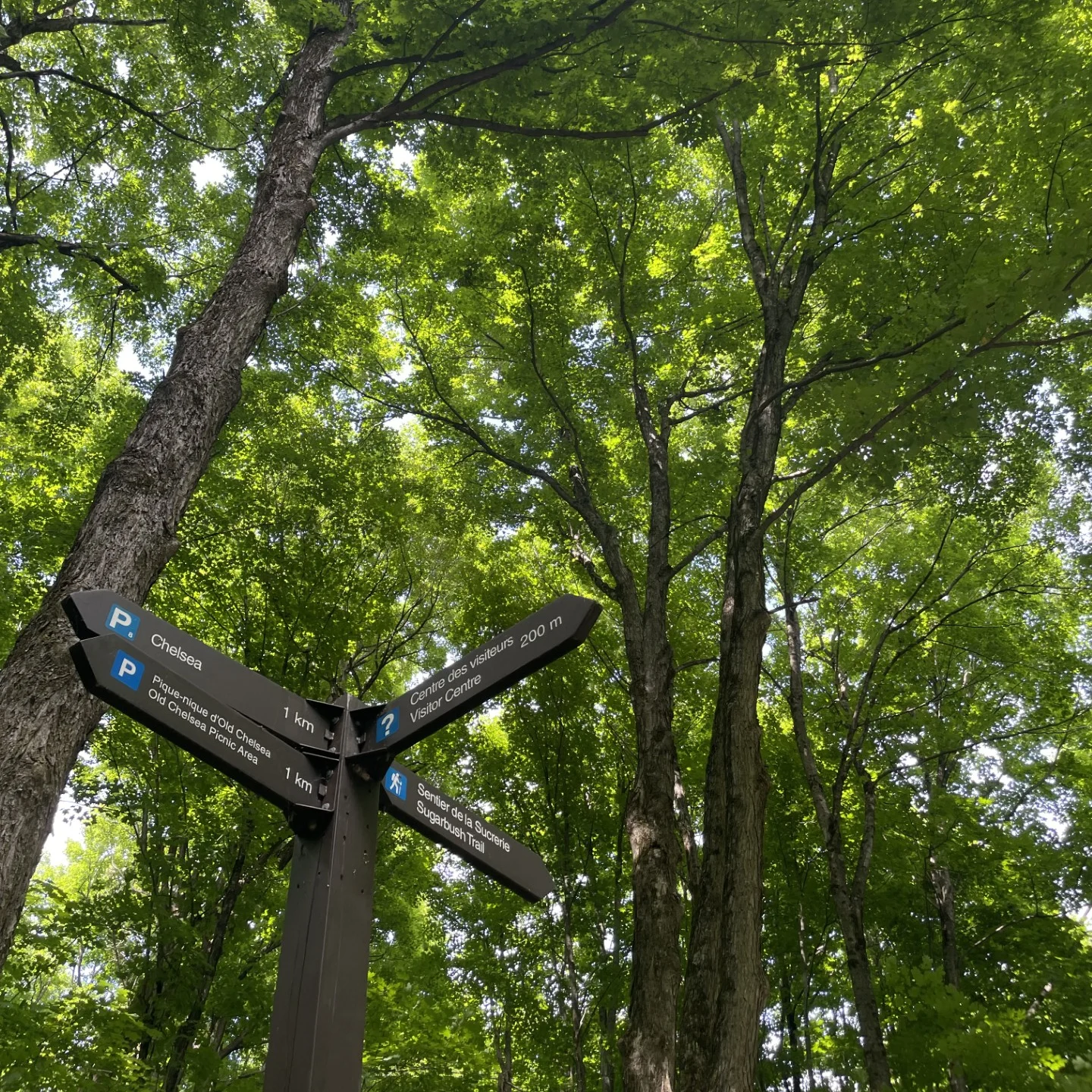
A Close Up on Gatineau Park
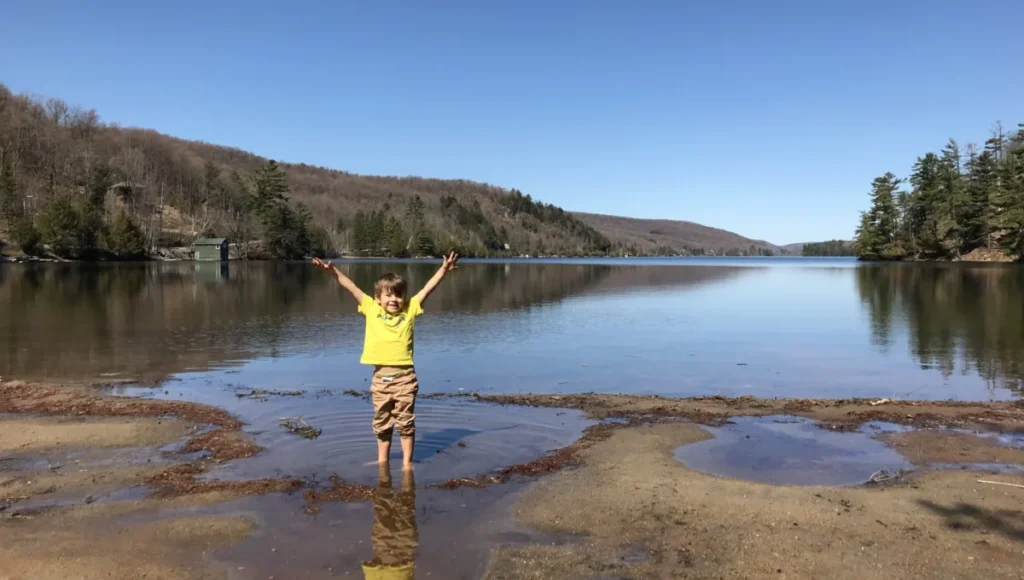
A glaring example of this sleight of hand is Gatineau Park. A park only by name, this 361km2 green space to the north of the National Capital region is a hugely popular destination for those seeking out recreational opportunities away from the city. Approximately 2.6M people visit the park each year and yet very few people know it is at risk of being lost to development and infrastructure encroachment.
Being within the transition zone between the Boreal Forest to the North and the eastern temperate forest of the St. Laurence Lowlands to the south, it is home to a unique mix of plants and animals which would not normally co-exist. This rare ecosystem means the Gatineau Park is home to the greatest number of endangered species of any park in Quebec and yet it has no legislative protection.
Despite its obvious ecological and cultural value, it currently has no defined boundaries and its management by the National Capital Commission (NCC) is largely focused on recreation, forgetting perhaps that the major draw for the local population is in fact its peaceful forest setting. With no real protections in place, Gatineau Park has lost many square kilometers of habitat to incompatible development in recent years and is facing more border encroachment and habitat loss with plans for a, massive, new 600-bed hospital at its south-east tip now well underway.
Park Boundaries Scaled Back
In 2024, the province approved legislation that opens the door for provincial parks to be delisted and public land to be privatized. Creating development ‘zones’ that get special treatment, the All-Seasons Resort Act could mean projects move forward without going through the standard safety checks for environmental
Despite this, the government is including Gatineau Park as a ‘protected’ area towards its 30% target. How many more areas across Canada are they inflating the numbers for, with misleading calculations? What percentage of our lands and waters are actually being protected?
Bill S-229
While CPAWS Ottawa Valley (OV) has been fighting to protect Gatineau Park for decades, successfully blocking new roads and other harmful development projects from moving ahead, it is time the government make good on their promises.
CPAWS OV is calling for parliament to pass Bill S-229, enshrining its borders and making nature conservation its main management priority while prioritising indigenous stewardship. Thanks to those who are still fighting for nature, including Senator Rosa Galvez and MP Sophie Chatel for support the bill, you can also help CPAWS OV get S-229 over the line.
You don’t have to live near Gatineau Park to have your signature count. To support a federal bill, anyone across the country can join the fight to add one more park to the list of officially, permanently protected areas in Canada.
Golf Course, Denied! Saving a Provincial Park
This is the third time groups like CPAWS NS and the community have banned together to protect West Mabou Beach Provincial Park from development projects that don’t recognize its immense value. Thanks to local-organizing and campaigning, the golf course was denied, saving critical habitats and species at risks. Amid this big win, the fight continues to improve legislation for promised protected areas.

ARTICLE WRITTEN BY:
Melinda Gilhen-Baker
Communications and Outreach Manager
CPAWS Ottawa Valley
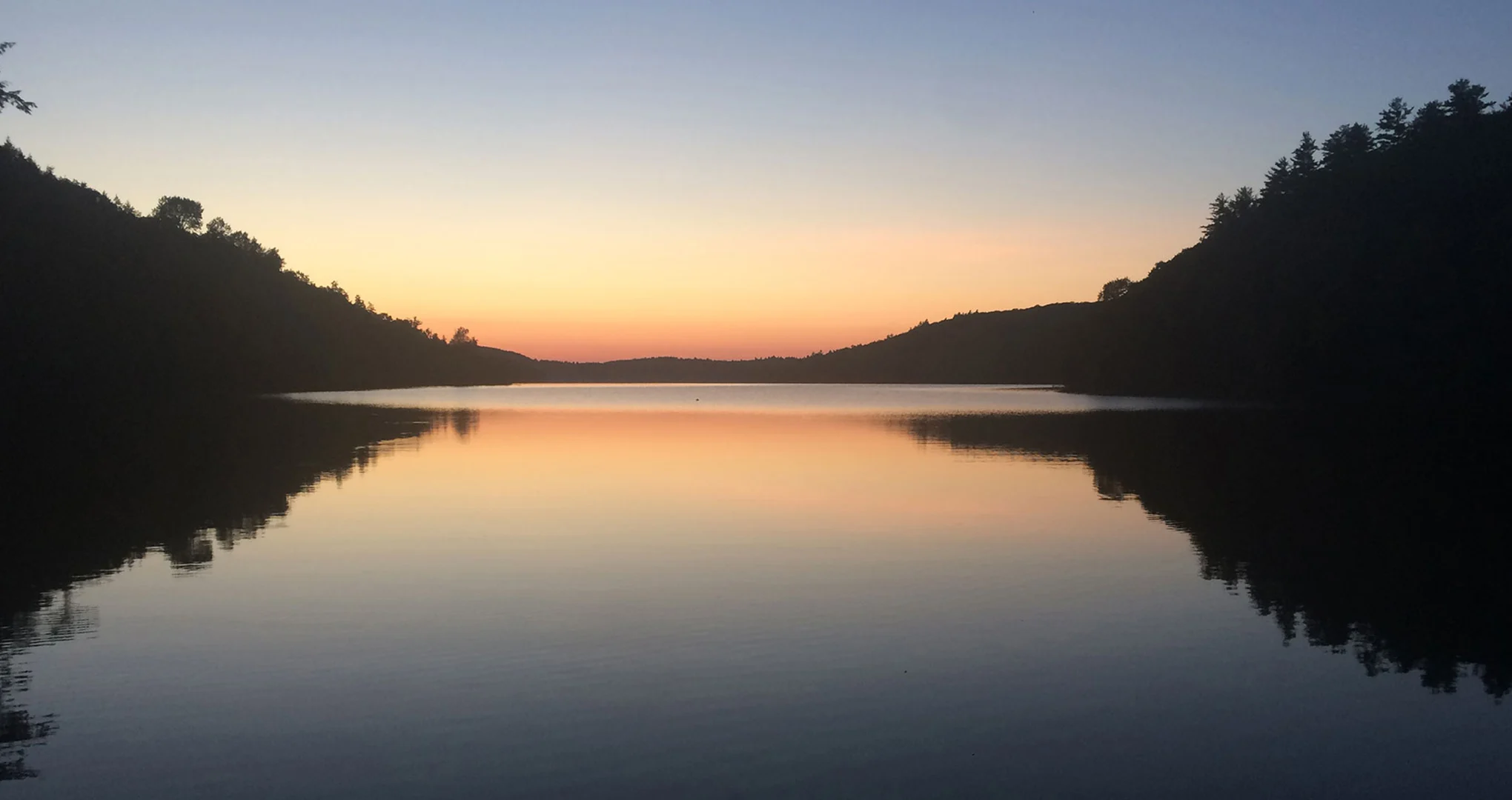
WE’RE NEARLY THERE!
This moment has been years in the making; we are so close to having Bill S-229 passed at parliament which will finally give Gatineau Park the protection and recognition it deserves!
We still need your help to get this over the line!
Other articles you may be interested in:
-
 Land and Freshwater, Parks and Protected Areas
Where We Feel Our Best
-
 Land and Freshwater, Parks and Protected Areas
Interactive Map: 45 ‘Psst-worthy” But Passed Over Canadian Parks in Plain Sight
-
Land and Freshwater, Parks and Protected Areas
Skip the Crowds: Discover the Beauty of Lesser-Known Parks This Summer!
-
 Land and Freshwater, Parks and Protected Areas
Free Entry to Canada’s National Parks for Summer 2025
-
 CPAWS News & Stories, Parks and Protected Areas
For Parks Day last July, CPAWS Introduced National Urban Parks – Here’s an Update!
-
 Parks and Protected Areas
Clearing things up: Why protected areas at sea and on land are a must for Canadians
-
 Land and Freshwater, Parks and Protected Areas
This Parks Day (July 20th) We are Celebrating National Urban Parks! A Way-Cool Conservation Tool!
-
Parks and Protected Areas
CPAWS is celebrating 60 years of conservation
-
 Government and Policy, Parks and Protected Areas
Canadians expect more than a C average in conservation
-
Coasts and Ocean, Parks and Protected Areas
CPAWS welcomes joint call to action on ocean protection
-
Coasts and Ocean, Parks and Protected Areas
CPAWS welcomes pathway to protect 25% of ocean in Canada and stronger standards for marine protected areas
-
Coasts and Ocean, Parks and Protected Areas
CPAWS-BC Celebrates the Endorsement of the Marine Protected Area Network Action Plan Announced at IMPAC5
-
 Coasts and Ocean, Parks and Protected Areas
CPAWS partnering with the Government of Canada and IUCN for the 5th International Marine Protected Areas Congress
-
Coasts and Ocean, Parks and Protected Areas
Marine Protected Ares are helpful, MPA Networks are even better!
-
Parks and Protected Areas
The wild thing about National Urban Parks
-
Parks and Protected Areas
Why Every Day Should be Earth Day


