A Growth Sector Hiding in Plain Sight: Nature as Public Wealth
Conservation
Government budgets are political statements. Here’s what they think of nature…
Canada knows how to invest at scale.
When governments decide that something is essential to national security and economic growth, they develop long-term strategies, create dedicated funds and mobilize billions of dollars. Nature rarely receives the same treatment—despite Canada’s international and national commitments to protection.
This is not because nature lacks public support or economic value. Canadians understand that healthy forests, oceans, wetlands, and parks contribute to their identity and well-being. But public budgets continue to treat protected and conserved areas as optional environmental programs, making them easy targets for delays and cuts when budgets tighten.
Budgets are political statements that show which problems governments consider urgent; which assets they believe deserve long-term support; and which commitments can wait.
Widely Enjoyed, Inadequately Valued
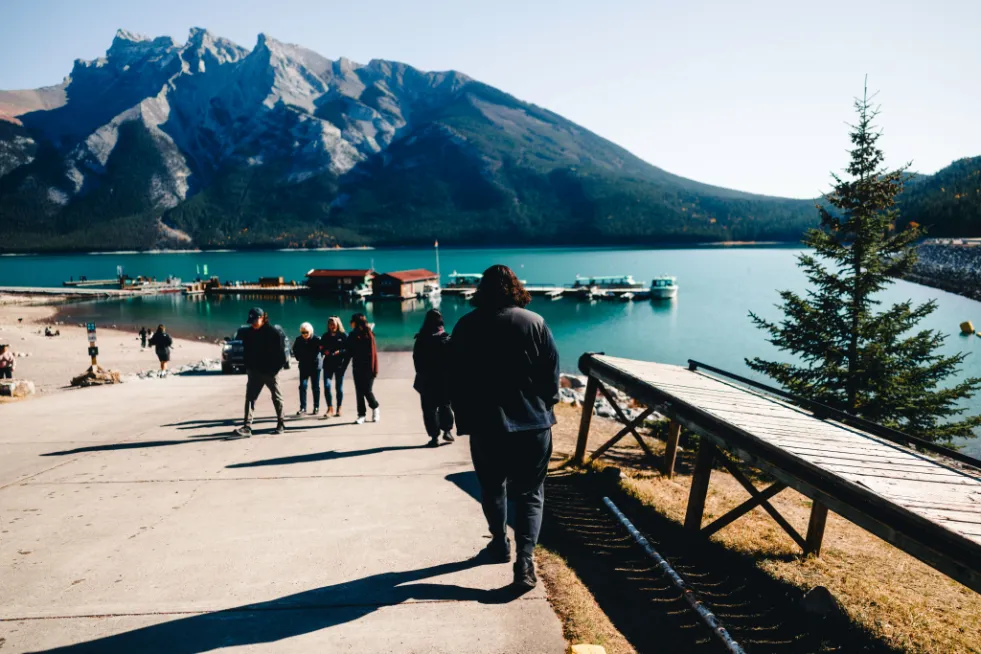
Nature is one of Canada’s most widely used public assets. People rely on protected areas for recreation, tourism, employment, clean water, cultural practices, and connection to place.
Canada’s protected and conserved areas generate billions of dollars in economic activity each year. Yet, even these figures capture only part of nature’s value, since many benefits people receive from nature—such as improved health and well-being—do not have a market place.
As a result, nature’s value often remains invisible in the systems governments use to assess projects, set priorities, and decide where to direct that guides public investment.
Nature is infrastructure
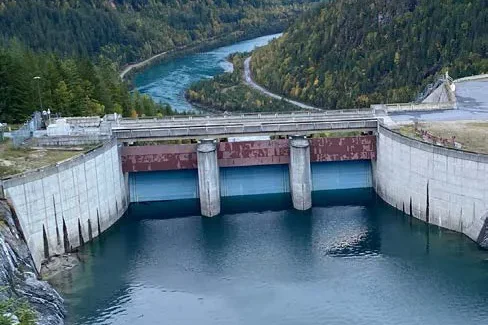
Governments rarely account for natural infrastructure in the same way they account for roads, bridges or public buildings. When ecosystems carry no visible financial value, their destruction can look inexpensive on paper.
This accounting gap reinforces a false choice between economic development and environmental protection. Not only do healthy ecosystems support agriculture, fisheries, forestry, tourism, transportation, and community infrastructure; but they also reducing risks and public costs governments would otherwise have to absorb.
While the public costs of ecosystem destruction may not be immediate, they’re expensive. They appear later through disaster response, higher insurance claims, infrastructure repairs, lost economic activity, and health pressures.
If nature is infrastructure, governments must fund it with the same consistency and scale they bring to other national priorities.
What governments choose to fund
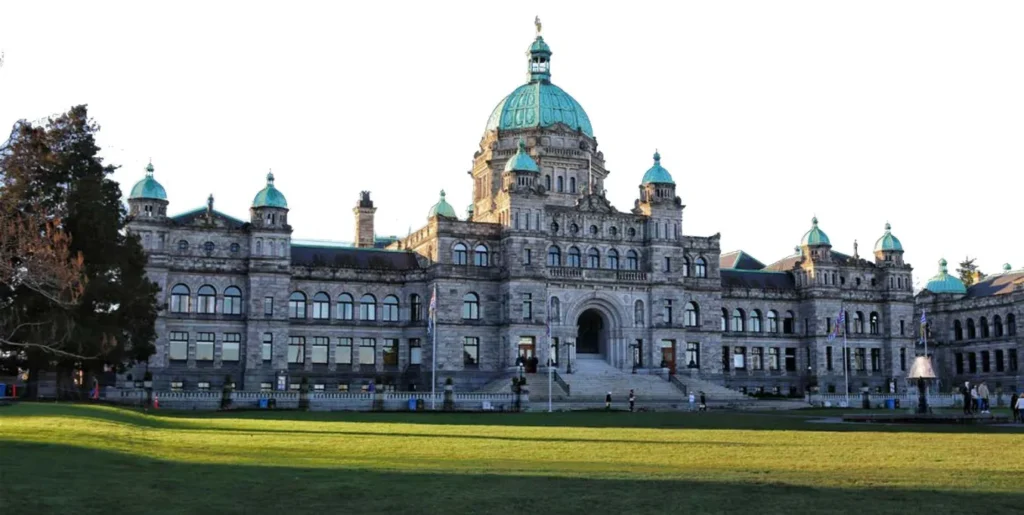
Governments routinely make large, long-term investments in defence, energy, artificial intelligence, and industrial development. Government budgets reveal political priorities—it’s not arbitrary allocation of money.
Consider the scale at which the federal government funds other sectors. They are providing $25 billion over three years to establish the Canada Strong Fund, committed up to $700 million for the Canadian Sovereign AI Compute Strategy, investing $38.6 billion for NORAD (North American Aerospace Defence Command) over 20 years—which comes out to slightly under $2 billion per year, and is also slightly under the total funding nature received for the next three years.
Though these figures cover different timelines and forms of public finances, the contrast is telling.
When government classifies an issue as essential, they create institutions around it; establish long-term funding; accept large upfront costs; and plan across political cycles.
Consistent Funding is Key
The federal naturestrategy was a welcomed step, promising $3.8 billion over five years.
But long-term nature protection cannot rely on funding that ends after a fixed five-year cycle. Stewardship, restoration, and protected area management require stable, ongoing investment well beyond short-term funding commitments.
Nature rarely receives that certainty.
Conservation programs must repeatedly prove their economic worth and compete for temporary funding. Those applying to funding are expected to undertake long-term stewardship while depending on short-term agreements. When funding lapses, projects can stall and relationships built over years can be disrupted.
The point is not that these priorities should receive no public funding—Canada requires functioning infrastructure, economic development, and national security. The point is that the government already knows how to plan at scale when they possess the political will.
The question is whether nature will be treated as one of those priorities.
Investment works best when communities lead
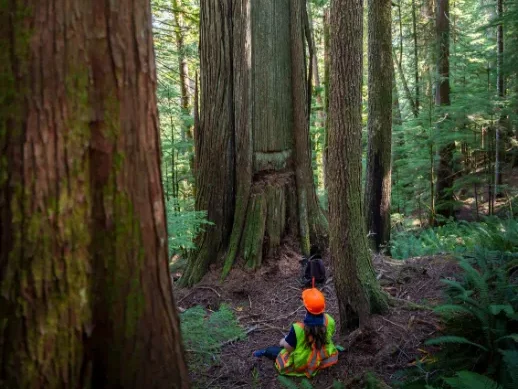
Funding alone is not enough. How government invests and who holds decision-making authority also determines whether conservation can deliver lasting benefits.
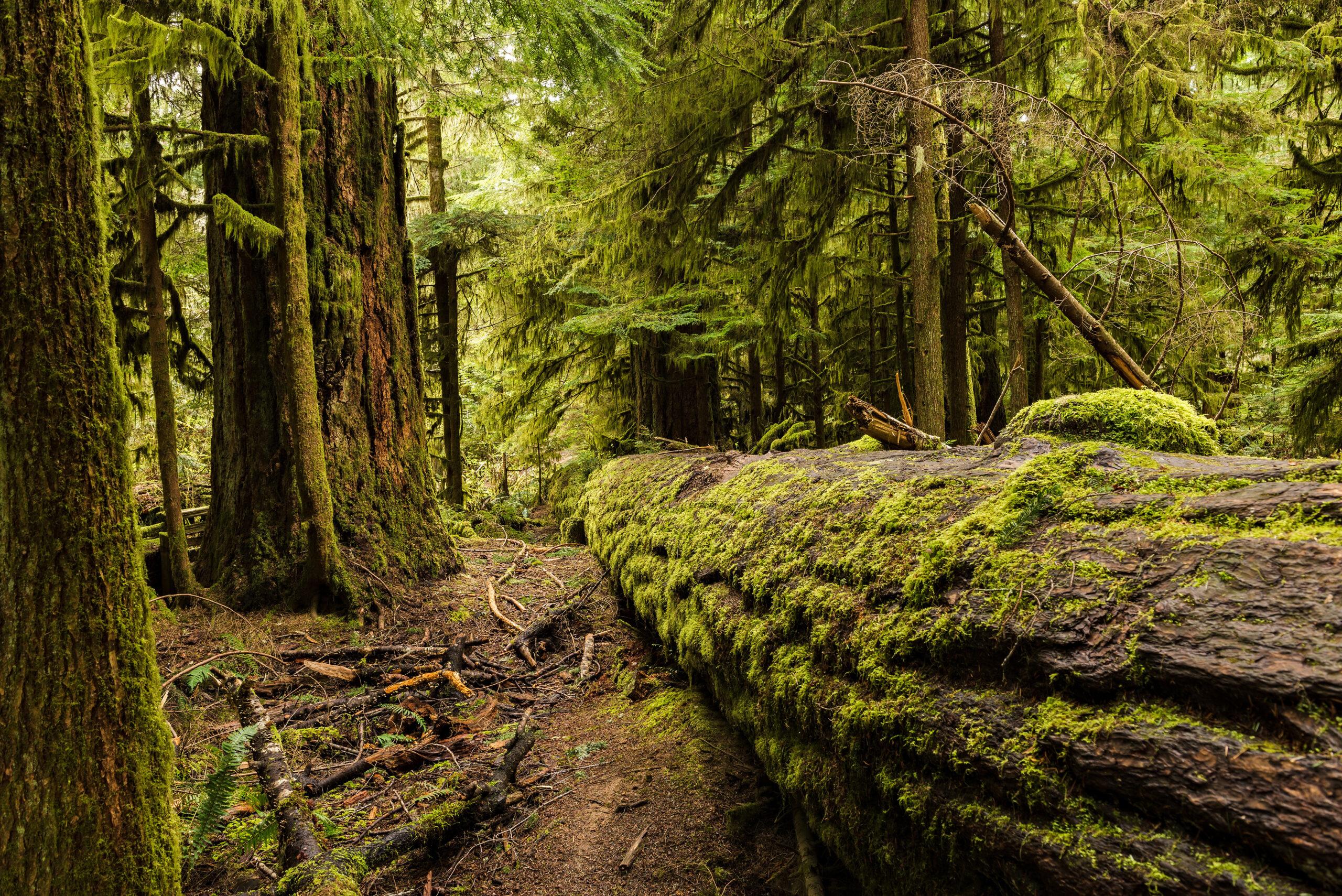
Case studies in Widely Enjoyed but Inadequately Valued show that lasting benefits require lasting investment. Long-term financing in the Great Bear Rainforest attracted additional investment and supported Indigenous-led stewardship. Decades of consistent support helped make Gros Morne a foundation of its regional economy.
Replicating these successes across Canada will require funding that matches the scale and duration of the work. If nature is a national asset, its funding must reflect the scale and permanence of the responsibility.
Who pays when nature is underfunded?
When governments underfund nature, the costs shift to municipalities dealing with floods and extreme heat; to households facing higher insurance and recovery costs; to rural, northern, and coastal communities whose economies depend on healthy land and water; to future generations who inherit ecosystems that are more expensive—and sometimes impossible—to restore.
These costs are not shared equally. As explored in CPAWS’ Where We Feel Our Best, access to nature—and the health and well-being benefits it provides—is already uneven across Canada.

Underfunding nature allows government to record smaller expenses today while leaving communities to absorb large costs tomorrow. Investing in healthy ecosystems upfront helps reduce future costs and strengthens community resilience.
Budgets must catch up to the promise

The Force of Nature strategy gives the federal government a framework for recognizing nature’s economic contributions and sets out an ambitious vision for protecting nature—but commitments are only as credible as the budgets behind them.
That means stable funding that continues beyond one political cycle; transparent timelines for when money will flow; continuing to support Indigenous-led stewardship; and ensuring that communities have the resources to turn national commitments into protection on the ground. Public pressure can help close the distance between an announcement and its implementation.
Canadians have the power to ask their representatives how upcoming budgets will fund the country’s existing conservation promises—including demanding clear reporting on results, questioning the cuts that undermine these promises, and insisting that natural infrastructure is a national priority.
We know nature creates economic, social, and environmental returns—exposing the false binary between economic development and environmental protection. The unresolved question is why governments continue to fund it below the scale of its importance.
Nature is public wealth, and Canadians have every right to expect governments to manage it accordingly.

Other articles you may be interested in:
-
 Conservation, Economy
Rewriting the Value of Nature in Canada
-
 Conservation, CPAWS News & Stories
Canadians Care About Nature
-
 Conservation, Economy
Nature is at the Heart of the Economy
-
 Conservation
Nature Shapes Who We Are, As Canadians
-
 Biodiversity, Conservation, Government and Policy
The Clock is Ticking Yet the Work is Not Done
-
-
-
-
-
 Conservation, Indigenous-led Conservation
📢THE GRADES ARE IN. LET’S LOOK AT WHO’S LEADING CONSERVATION IN CANADA
-
 Conservation, Government and Policy
Environmental groups welcome the launch of Canada’s strategy to save nature
-
 Climate Change, Conservation
A Time for Reflection, Action, and Our Early 2024 Highlights
-


