Nature Shapes Who We Are, As Canadians
Conservation
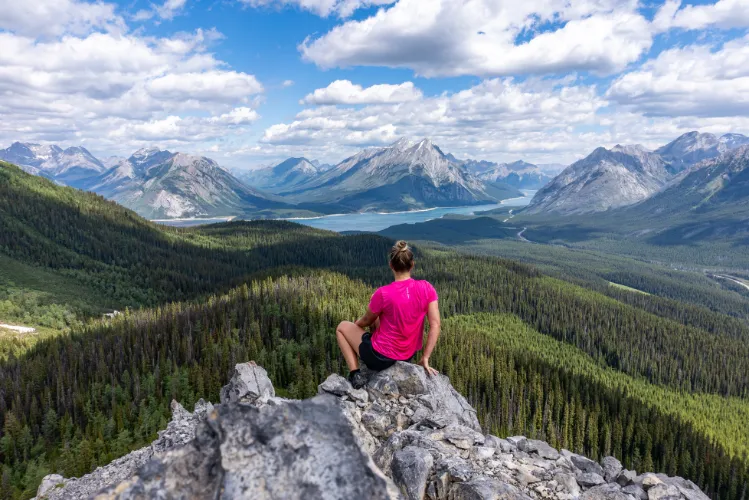
Moments and memories in nature, define the Canadian experience.
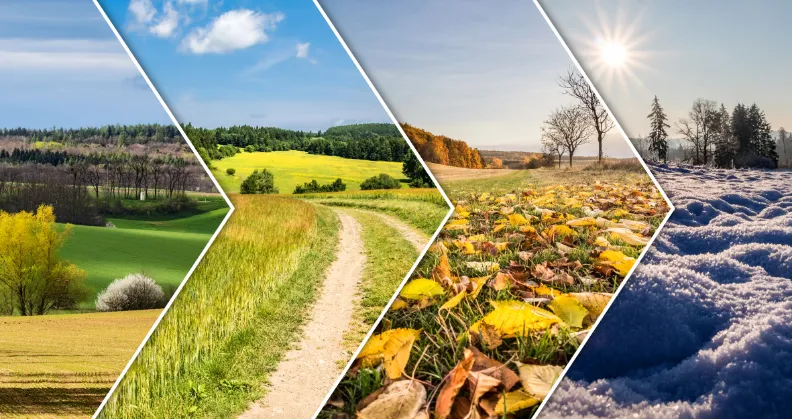
What would summer be, without the calls of whip-poor-wills birds to wake us? Does it really count as spring if you haven’t been hissed at by a Canada goose yet? We feel the arrival of fall when maple leaves crunch beneath our shoes. A brisk start to the morning is forgetting, once again, to grab a toque on the way out and feeling your ears nipped by the frosty winter air.
Through the seasons, and across the versatile landscapes of our country, nature is a huge part of the Canadian experience. The large network of national, provincial, and territorial parks, as well as municipal parks and green spaces, have been the gateway for people to discover and connect with the natural world. Time spent in these places creates memories and lasting connections to nature that go far deeper than simply taking in beautiful views.
We all carry a story of how nature has shaped us.
For some, like Julie Navitka, nature is both a primary base for outdoor activities and a source of inspiration for creativity and new adventures. Julie grew up in south Winnipeg, Manitoba, and spent much of her time exploring the bushes and banks of the Seine River, which sparked a passion for the outdoors that she carried with her into adulthood.
“Nature is my happy place, and the only time my mind ever stills is when I am outdoors and active.”
Julie of ‘Peg City Parks,
Manitoba
Julie’s love for the outdoors has brought her on some incredible adventures. In 2016, she challenged herself to visit all of Winnipeg’s 1,300+ parks and open spaces – a feat she accomplished in just under a year! This experience inspired her to create “Peg City Parks”, a resource for scavenger hunts through Winnipeg’s parks and neighbourhoods. Whether Julie is hiking, cycling, camping, kayaking, or creating “Successfully Sustainable”, a new website
dedicated to sustainable travel and living, the outdoors has inspired and empowered Julie’s adventures.
In this, Julie is not alone.
Exposure to nature has been shown to positively affect mental health. Yet despite its benefits, it can be difficult for many to prioritize time outdoors, especially in an urban environment where many Canadians do. However, you don’t need to take the time to visit every park in your city to experience the positive effects of nature – Research shows that just a few minutes of being in nature can help boost your attention span, reduce feelings of stress, and improve your mood. Integrating nature into your daily life, such as re-routing your walk to work to go through a green space, or adding a flower box to your windowsill, can help you experience and create memories, even in small ways.
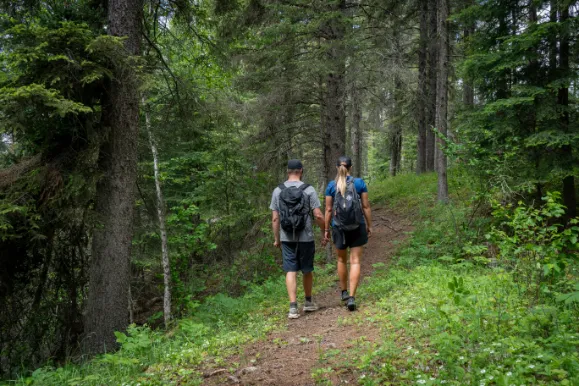
“I am increasingly aware of the privilege it is to be able to enjoy the outdoors. Nature is as a trust, which we hold for the generations that come after us.”
-Geoffrey Barrow, British Columbia
Geoffrey Barrow understands this deeply, having spent much of his life working inside. Now retired from his law career and living in British Columbia’s interior, he spends more time outdoors which has been healing and rejuvenating. He hopes his grandkids and descendants will be ablet to experience nature similarly. Because for Geoffrey, nature isn’t something we own – it’s something we’ve been entrusted with. It’s something we care for and pass on for the benefit of future generations.
CPAWS recent report Widely Enjoyed but Inadequately Valued highlights that “Protected and conserved spaces are more than just ecological assets – they are integral to public health and social well-being.” Spending time in nature is a positive experience for building community in connection with the land as well – One of the studies CPAWS goes through in the report is around Fundy National Park, in New Brunswick (Pg48). The majority of respondents to this survey reported an improvement in their physical and mental well-being tied to their visit to the national park. 84% of respondents agreed that “time spent in this place allows me to bond with family and friends”, which reflects just how strong the sense of social connection to and around nature is across Canada.
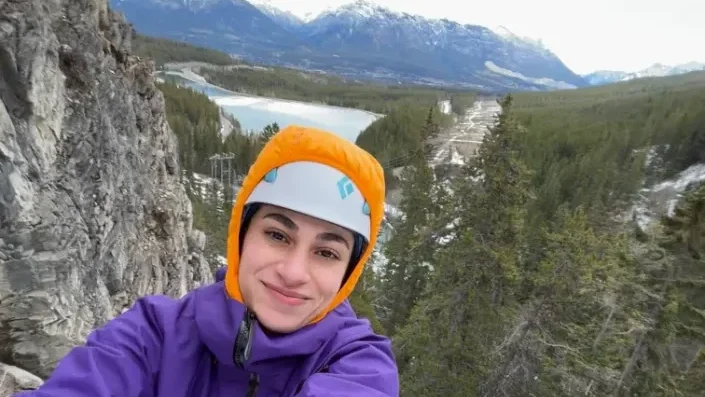
Baneen Al-Sachit from Calgary, Alberta, is another outdoor enthusiast, particularly when it comes to climbing. The sport has helped her learn about awareness, patience, trust, and the idea that rest and failure are essential parts of progress.
“Being in nature has been foundational to my mental and emotional wellbeing, connection and self determination. It grounds me, helps me regulate stress, and gives me clarity in moments when life feels overwhelming or uncertain.”
Baneen Al-Sachit,
Alberta
As a Muslim and Arab woman, Baneen’s experiences in natural spaces have been shaped by questions of access, safety, and belonging. She is particularly passionate about increasing equitable access to nature and works to support environments where people from underrepresented communities can participate without compromising their identity. She seeks to continually challenge the idea that the outdoors is only for a certain type of person, and wants to see an outdoor culture built that reflects the full diversity of the world we live in.
Being in nature is one of those rare experiences where you can actively feel your mind calming in the moment. Quite literally, it affects the part of your brain that regulates emotions. It improves mental health,blood pressure, and sleep. That’s how powerful access to nature can be, and why Canada’s National Urban Parks (NUP) initiative is such an important conservation effort right now.
Almost three out of every four Canadians live in cities, where it can be hard to access quality, natural spaces regularly. NUP aims to protect nature in cities across Canada – ensuring safer spaces for wildlife and ecosystem protections while impacting the millions of Canadians that live in Canada’s urban centers, giving them access to this country’s amazing natural corridors within their own city limits.
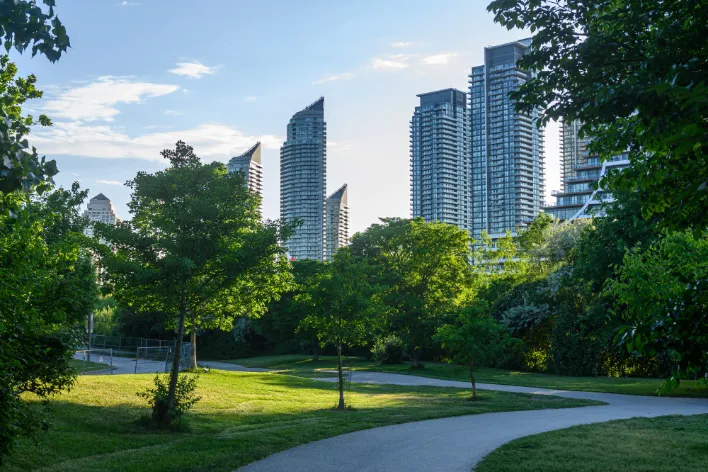
The first Canadian NUP is Rouge Urban National Park in the Greater Toronto Area, an area that CPAWS worked on with partners over the last decade. Canada is also actively considering 7 other NUP sites across the country. CPAWS is working to ensure the areas chosen are ecologically and culturally significant and will positively impact biodiversity loss and climate change.
The benefit we get from nature isn’t just a feeling; it’s in the science too. When we protect the areas that make us whole, we’re also protecting what keeps us healthy.

Other articles you may be interested in:
-
 Conservation, Economy
Rewriting the Value of Nature in Canada
-
-
 Conservation, CPAWS News & Stories
Canadians Care About Nature
-
 Conservation, Economy
Nature is at the Heart of the Economy
-
 Biodiversity, Conservation, Government and Policy
The Clock is Ticking Yet the Work is Not Done
-
-
-
-
-
 Conservation, Indigenous-led Conservation
📢THE GRADES ARE IN. LET’S LOOK AT WHO’S LEADING CONSERVATION IN CANADA
-
 Conservation, Government and Policy
Environmental groups welcome the launch of Canada’s strategy to save nature
-
 Climate Change, Conservation
A Time for Reflection, Action, and Our Early 2024 Highlights
-


