📢THE GRADES ARE IN. AN UPDATE ON CONSERVATION ACROSS CANADA SINCE PUBLISHING

Conservation
You’ve seen our notes on the Leaders, Learners and Laggards of the conservation class. In this final blog of our series unpacking “On the Path to 2030 – A Report Card on Progress to Protect Land and Ocean Across Canada,” we reflect on changes that have occurred across the country since we finished writing the report.
We saw some positive action at the beginning of the year. 👏The previous federal government signed a Nature Agreement in the Northwest Territories; a Memorandum of Understanding (MOU) to develop a nature agreement in Manitoba; and committed to investing in the SINAA Agreement/Qikiqtani Project Finance for Permanence in Nunavut. There were newly designated National Wildlife Areas on three islands in Nova Scotia. In Ontario, the federal government signaled its intent to move administration of lands with high conservation from Transport Canada’s Pickering Lands to Rouge National Urban Park, while a commitment was made to designate funding for the Ojibwe National Urban Park in Windsor. More recently, and further west, after being in limbo since its inclusion in the Lower Athabasca Regional Plan in 2012 and following many years of advocacy for its protection, the Gipsy-Gordon area in NE Alberta has finally received legal protection.
But since, we have seen some backsliding…
Bills, Bills, Bills…worse than the ones you get in the mail
Several provinces have proposed deregulation legislation that may jeopardize the environment, people and our future. 😫
Alberta
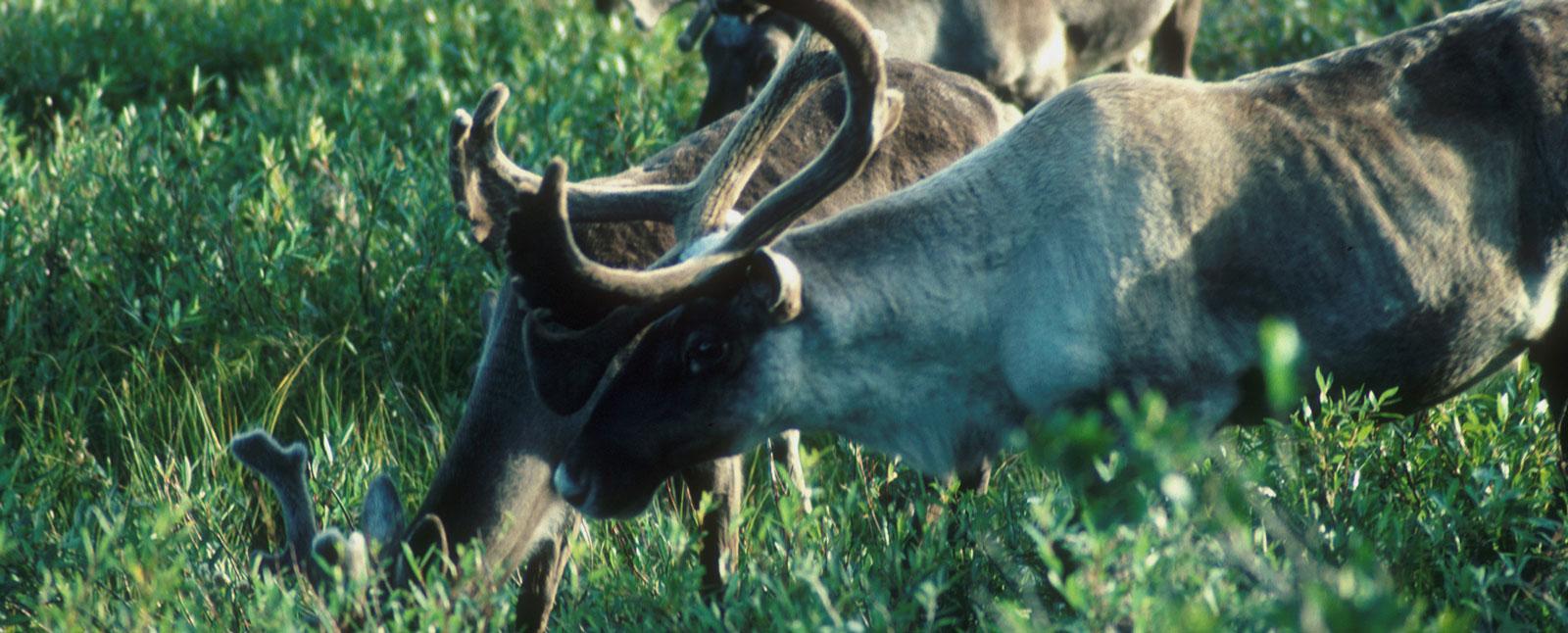
Recent legislation in Alberta will cause their grade to drop. The draft Upper Smoky Sub-Regional Plan (under review) and the All-Seasons Resort Act (Bill 35 – passed) are generating concern over the deprioritization of protected areas and species at risk. As the Sub-Regional Plan stands, two of Alberta’s southern mountain caribou populations could lose their winter habitat to clear-cut timber harvesting and other industrial developments. This would directly contradict our recommendation to uphold responsibilities under the Species at Risk Act and commitments on woodland caribou habitat protection.🦌
We continue to encourage the province to prioritize the protection of nature in line with the clear desires of Albertans. Recent polling has again reaffirmed that the majority of Albertans are concerned about species loss and the biodiversity crisis (95%), and 78% support the creation of new parks and protected areas for wildlife protection. Alberta needs a strategy to protect nature and apply it across new policy developments if they don’t want to slide back towards an F.🌳
The Province’s new Draft Plan for Parks provides some encouragement with mention of expanding Alberta’s park network. We hope to see follow-through on this and other actions that align with the values of Albertans in the finalization of the plan. Final grades will ultimately depend on meaningful implementation.
Ontario
Ontario has not only failed the conservation class but has also been suspended due to passing Bill 5.
Bill 5 strips away legal environmental protections, threatens future conservation projects, gives the government and corporations unchecked power, silences communities by cutting appeal rights and public consultation, eliminates third-party environmental oversight, and puts already at-risk species in even greater danger through dismantling the Endangered Species Act. Equally concerning is that Bill 5 undermines and compromises Indigenous rights, treaty rights and Indigenous led conservation. 😖
Ontario urgently needs an attitude adjustment when it comes to conservation. We want to see Bill 5 withdrawn or heavily amended to uphold the Endangered Species Act and honour Indigenous rights.🦋
Quebec
Quebec came into 2025 with an A for conservation, but shortly after, we were alarmed by the proposed Bill 97, which threatens to drop their grade.⬇️
Bill 97 is a forestry reform that prioritizes logging over the long-term health of the environment. It places forest management – for about 30% of the province – in the hands of the forestry industry, whose primary interest lies in lumber extraction. In those “forestry priority areas”, no protected areas could be created, and public consultation on forest management would disappear.
CPAWS Quebec has issued proposals to the provincial government to ensure that forest reform improves current environmental safeguards and the maintenance of truly sustainable jobs in the forestry sector. Bill 97 should also address the concerns of First Nations, notably by incorporating free, prior and informed consent into forest management.🌲
Quebec needs to drop this bill and rewrite it for this fall if they want to stay at, or even near, the top of the conservation class.
Other worrisome regional changes
Manitoba
Manitoba was improving in conservation class when we last assessed the province, but we are concerned about their growing interest in pipelines – announced amid a backdrop of climate-induced forest fires across the province.🌲🔥
CPAWS Manitoba recently commissioned a report, Manitoba’s Hudson Bay Lowlands: Ecosystem goods and services valuation, reminding the province of the economic and social benefits protected areas can provide. 💰 The report also highlights the region’s unique and increasingly important role in protecting carbon-dense ecosystems for future generations.🌳
Saskatchewan
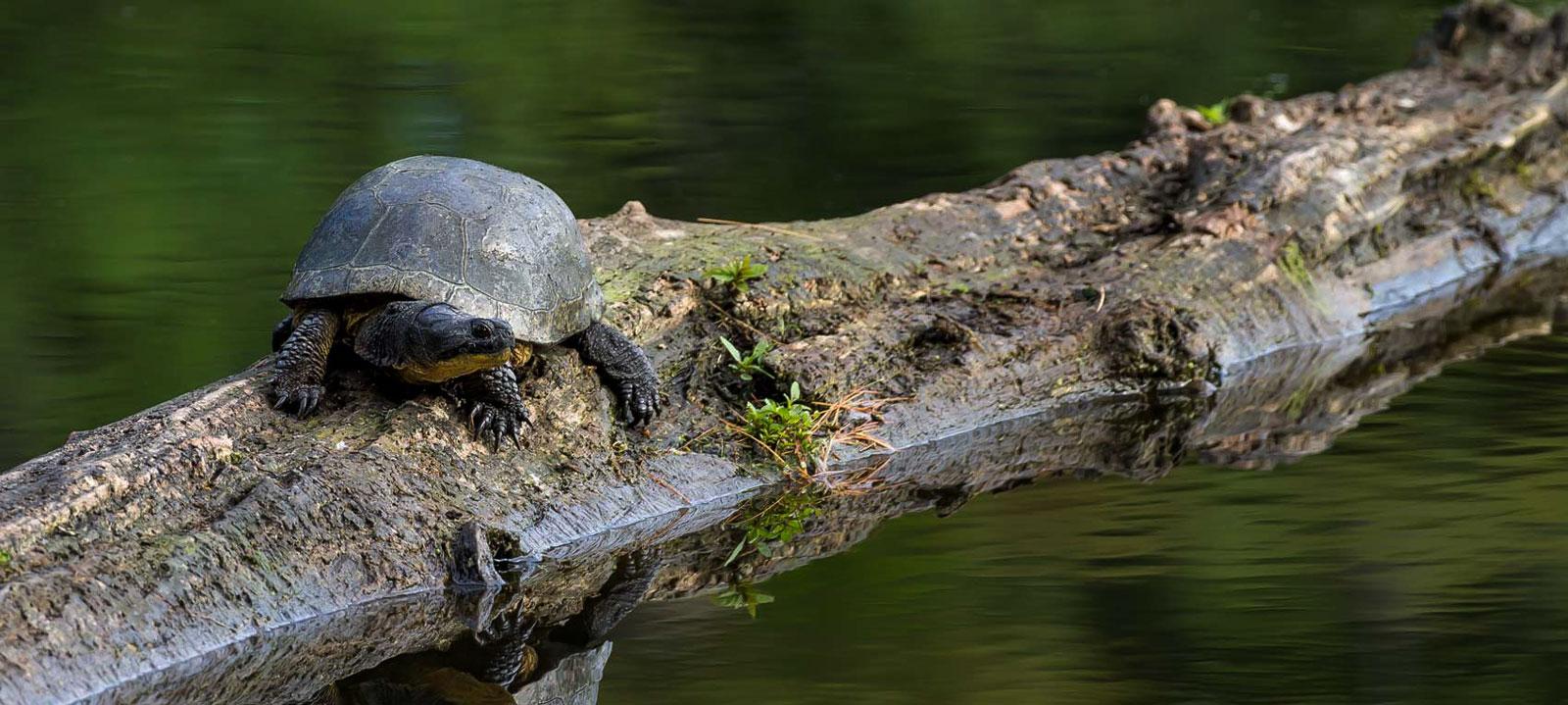
Saskatchewan’s D- grade reflects the province’s ongoing neglect of wetland protection, and it appears that our efforts to raise awareness still haven’t landed.🐢🦆
The Water Security Agency has launched an Agricultural Water Stewardship Policy, which favours agricultural development and the drainage of wetlands. The plan states that between 40 and 60 per cent of the historical wetland area will be preserved, but since less than 30% of the original wetlands remain in Saskatchewan, we are unsure how the agency arrived at its numbers.
To keep Saskatchewan’s grade from sliding further, the province needs to keep its eyes on the front of the class and focus on wetland conservation rather than ongoing drainage. 🚣
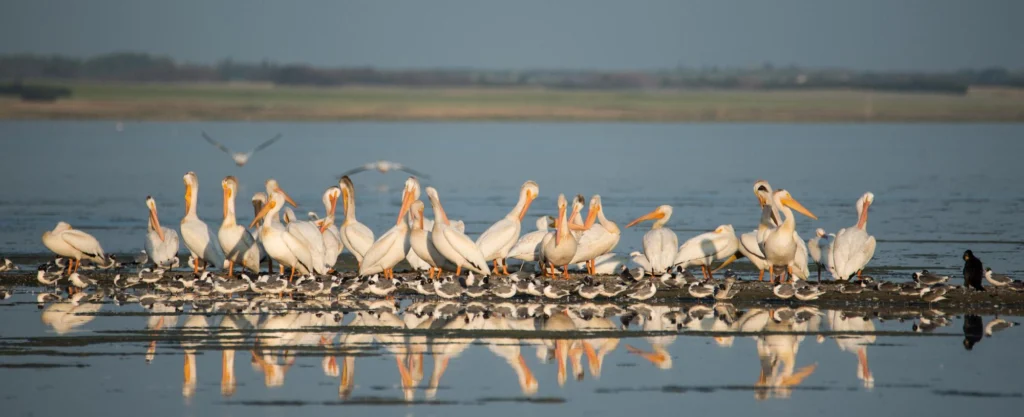
“The Government will protect more of Canada’s nature than ever before through the creation of new national parks, national urban parks, marine protected areas, and other conservation initiatives.”
– King Charles’ Speech from the Throne to open the first session of the 45th Parliament of Canada
Oh, don’t forget Canada
As we came into 2025, the federal government was among the top of the conservation class with a B+ for both land and freshwater, and ocean protection. However, their recent decisions to advance Bill C-5 through parliament despite strong opposition from Indigenous and environmental organizations is bad news for nature. 🤯
In the 2025 Liberal Party platform and Speech from the Throne, the government laid out a vision of how to “Unite, Secure, Protect, and Build a better Canada.” It included several positive promises for nature, including reaching the 30X30 goal and ensuring Indigenous leadership in conservation.
However, the Build Canada Act (Bill C-5) aims to kick-start the economy in a way that opens the door to environmental harm, poses major threats to wildlife, weakens Indigenous rights protections, and gives sweeping powers to cabinet to approve massive projects without adequate oversight.💔
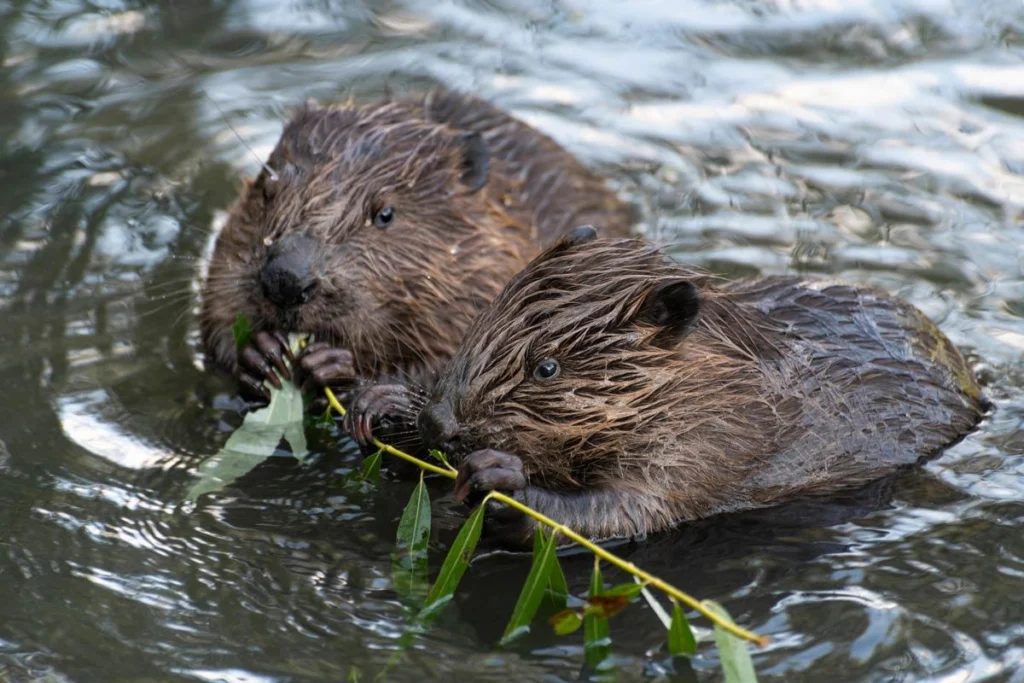
A look at reality
The provincial and federal bills mentioned here fail to meet our report card recommendations. For example, CPAWS advised that governments collaborate to protect 30% of land, freshwater and ocean by 2030, set regional targets, prioritize Indigenous-led conservation, complete conservation projects, identify areas for protection, and increase long-term funding. Instead, these legislative changes do the opposite. 😱
The current approach of deregulation to accelerate economic development has many risks, including the loss of natural habitats, species, and biodiversity as a whole. The increased disturbance of the natural environment could also release significant amounts of stored carbon from plants and soil into the atmosphere, directly contributing to climate change.💣
Strengthening our economy and reducing reliance on the U.S. shouldn’t come at the expense of nature, especially when conservation drives real, long-term economic benefits for Canada. Protected areas support healthy communities, create long-term jobs, sequester and store carbon, and provide fundamental economic value in the form of biodiversity. 👨👩👦🌳🦋🐝
The environmental decisions governments make now will shape Canada’s legacy — not just in policy, but in the air we breathe, the water we drink, and the lands we pass down to future generations. Their record will reflect whether they chose short-term gain or long-term well-being.
Canadians expect leadership that’s grounded in evidence, guided by science, and committed to securing a livable future. There’s still time to act — and we’re ready to support meaningful policies that protect what we can never afford to lose. 🌊🐟
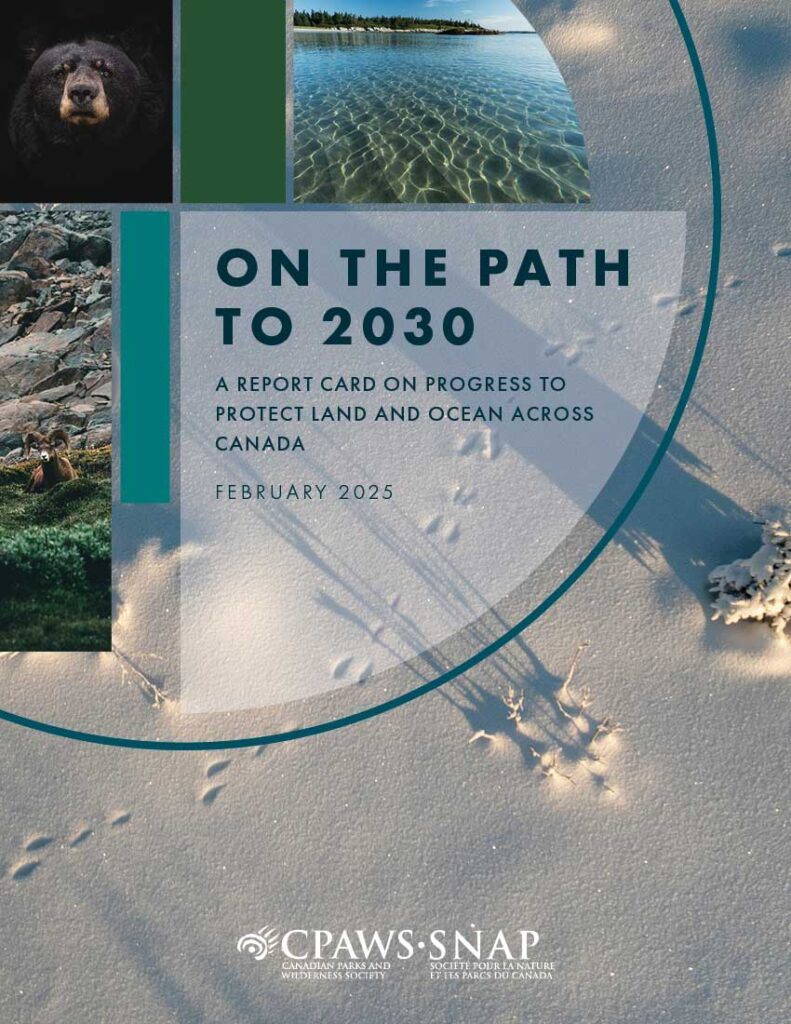
To learn more about the recommendations we provided to the federal government and the provinces and territories, please see our report: “On the Path to 2030 – A Report Card on Progress to Protect Land and Ocean Across Canada.”
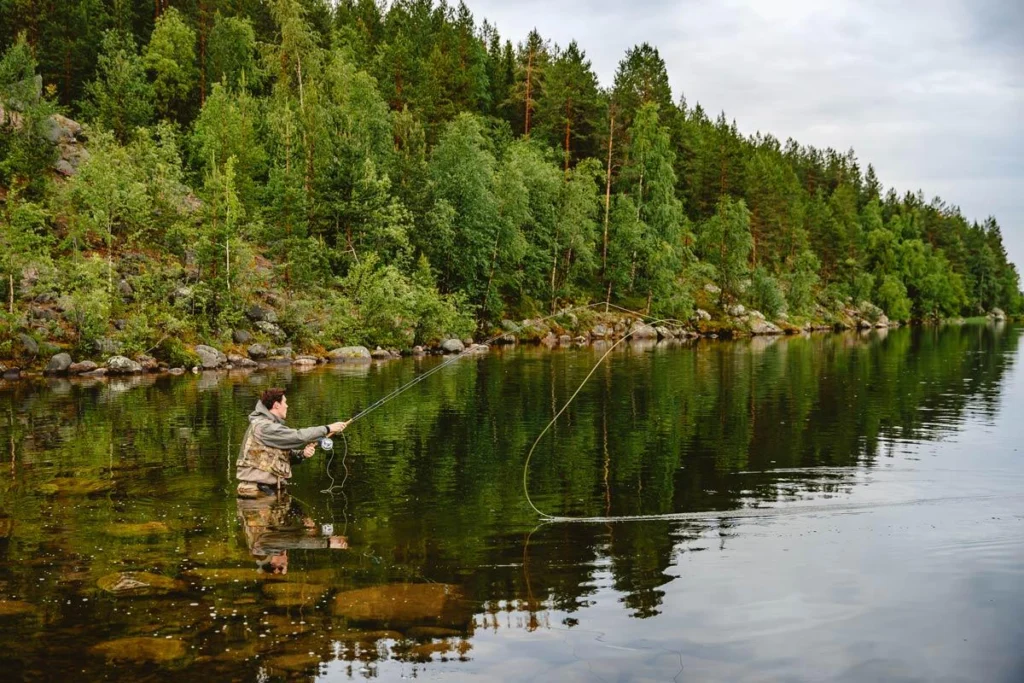
Read the report
Other articles you may be interested in:
-
 Conservation, Economy
Rewriting the Value of Nature in Canada
-
-
 Conservation, CPAWS News & Stories
Canadians Care About Nature
-
 Conservation, Economy
Nature is at the Heart of the Economy
-
 Conservation
Nature Shapes Who We Are, As Canadians
-
 Biodiversity, Conservation, Government and Policy
The Clock is Ticking Yet the Work is Not Done
-
-
-
-
 Conservation, Indigenous-led Conservation
📢THE GRADES ARE IN. LET’S LOOK AT WHO’S LEADING CONSERVATION IN CANADA
-
 Conservation, Government and Policy
Environmental groups welcome the launch of Canada’s strategy to save nature
-
 Climate Change, Conservation
A Time for Reflection, Action, and Our Early 2024 Highlights
-


