
Protect Land & Freshwater
Photo: Algonquin Park, Ontario by Mitch Feinstein/Wirestock Creators
The Canadian forests, mountains and rivers we know and love are at risk.
To protect them from environmental changes and harmful activity, nature needs us to step up.
Definitions
All the different living things in an area, including genes, animals, plants, ecological processes, and ecosystems. Their survival on all scales is essential to our existence.
The many benefits we gain from stable and functioning natural environments. Examples include air and water filtration, carbon storage, and mitigating the impacts of climate change.
Lands and waters where Indigenous governments have the primary role in protecting and conserving environments through Indigenous laws, governance, and knowledge systems. (Indigenous Circle of Experts)
Strategies that address climate change mitigation and adaptation, while also providing benefits for nature, biodiversity and people. Examples include actions like protection, restoration and better management of living resources. Increasingly, experts are coming to the consensus that of these solutions, effectively designed and managed protected areas offer the highest total value per hectare.
Legally defined areas that seek to achieve long-term nature conservation, environmental benefits and cultural values. Governments are responsible for creating and managing these areas.
Land that is held and managed for the people of Canada by federal, provincial, territorial, and Indigenous governments. Since 90% of Canada’s land is publicly held, it is important to create protected areas that are owned and managed by the public.
Protected areas let us enjoy nature, now and forever
CPAWS advocates for protecting land and freshwater: safeguarding public lands so wildlife can thrive and we can enjoy these spaces, without the threat of development and industrial activities. To make sure key areas are conserved and connected, we bring everyone together—concerned Canadians, industry, scientists and Indigenous communities—so government decision-makers keep all our interests in mind.
Protected areas are a proven solution to keep nature safe from damage. Help us secure the health of our landscapes, wildlife and livelihoods for future generations.
We’re all in on protecting public land and freshwater
Protected areas shield nature from the impact of development, so it can keep providing for us in countless ways.
- Environmental benefits: Ensuring the survival of plants, animals, land and water; providing relief and recovery from extreme weather
- Social benefits: Creating local economy-boosting jobs while advancing science, research and education; advancing reconciliation through Indigenous-led conservation
- Personal benefits: Securing long-term access to activities like hunting, fishing, canoeing, camping and hiking, which improve our livelihoods and wellbeing
Natural landscapes hold a special place in the hearts of Canadians.
Many of us have cherished memories of park visits, camping trips, foraging excursions or fishing expeditions, and want to pass these traditions on. That’s why ensuring ongoing, long-term access to nature here is so important—especially for people who have been excluded from these activities in the past.
Protecting nature is especially critical in Canada. We are home to 20% of the world’s freshwater, not to mention forests, wetlands and tundra. Our landscapes help regulate the climate and preserve plants, animals, food chains and the balance of nature around the planet—all of which are currently at risk like never before. These vast, diverse areas come with the responsibility for Canada to act as an environmental leader on the world stage. Doing our part for the planet and future generations means protecting these spaces today.
To keep enjoying nature in all the ways we love, we need to defend much more of Canada’s land and water.
For decades, CPAWS has pushed Canadian governments to create and strengthen protections, and has held decision-makers accountable to their promises. These successes are hard-won results of ordinary Canadians standing up for nature. We’re prepared to stay in this fight, and we partner with local residents, Indigenous communities, industry and governments to secure the protection nature needs.
Current Progress: Only 14% of land in Canada is protected
CPAWS has helped secure some of Canada’s most important conservation wins. In 2018, after extensive advocacy, the federal government promised $1.3 billion for nature conservation. And thanks to our work, Canada has made major gains in protecting nature in the past decade.
However, there’s much more to go: our recent reporting reveals that only 14% of land (terrestrial areas and freshwater) in Canada is protected. This isn’t enough for nature to keep thriving. Under these conditions, wildlife and ecosystems will struggle to flourish and thrive. Our health and the health of Canada’s iconic wildlife and plants depend on the land and water, and that’s why we’re taking action to help sustain their wellbeing for people today and for future generations.
How we’re moving the needle forward
CPAWS acts as a watchdog, making sure governments across the country protect and preserve the natural systems that humans and wildlife rely on.
Our nationwide tracking has shown that:
- Although there’s progress to celebrate, governments at all levels must keep up the momentum in order to achieve effective conservation: we cannot stop at 14%. More ongoing funding is needed to see this vision through.
- Some provinces and territories have been leading the charge: props to Quebec, Northwest Territories, and Nova Scotia. Others (like Ontario, Alberta, Saskatchewan and Newfoundland and Labrador) are dragging their feet or prioritizing industrial development. Luckily, we’re here to make sure they step up because it’s provincial and territorial governments who have key decision-making authority over land protection.
- Indigenous People have been walking the walk, demonstrating strong leadership in nature protection using innovative approaches. It’s essential that governments invest in Indigenous-led conservation moving forward.
Beyond our reporting, we also make sure government leaders do their due diligence when it comes to activities that impact nature by working closely with Indigenous peoples and consulting with experts, concerned Canadians, local residents and impacted communities. We all have the right to benefit from nature. Everyday people must have a voice when it comes to protecting it.
Read our latest report card, “On the Path to 2030,” for a deeper look into Canada’s progress on protecting land and ocean
We’re working towards an ambitious and hopeful future, where significant amounts of Canadian land and freshwater are safeguarded so we can all thrive.
This looks like:
- Being able to hunt and fish, without our precious natural resources being bulldozed by big corporate interests that want to profit from the destruction of nature.
- Protecting critical habitat from extensive deforestation, mining and other industrial activities that species, like caribou and migratory birds need in order to thrive.
- Boosting local economies by generating new jobs in research, monitoring, tourism, and conservation.
- Making sure that we’re doing our part to safeguard the planet. Scientists have known for a half-century that conserving large amounts of land and water is needed to keep our world viable and livable in the long-term.
This isn’t just wishful thinking—we’ve done the homework on how to make this a reality. See our Parks Report for more detail about our vision, and a tangible roadmap for Canada to step up its current protections. We need your help to keep conservation momentum strong so governments take decisive action.
Several factors are making it harder to protect our natural landscapes
1) Harmful industrial activities that damage river flows and contaminate air and water. These powerful interests are sacrificing nature for short-term gains. Once this destruction takes place, there is no going back.
2) Large-scale development projects that convert nature into commercial projects like mines, highways or forest cutblocks. These initiatives, often led by big companies, permanently destroy our natural resources so people can no longer hike, camp, fish or hunt. This also squeezes wildlife into residential and urban areas, putting people and animals risk.
3) Disinformation: Some industries and organizations are taking advantage of the divides in our society, pitting Canadians against each other. They’re spreading fear that conservation puts local economies and our access to nature at risk. This simply isn’t true. The history speaks for itself: conservation means securing, not sacrificing, the long-term use of nature that we rely on. Rejecting protected areas only gives big corporate interests what they want and divides us further.
However, CPAWS is ready to tackle these challenges head-on. We’re committed to working with local communities, government, Indigenous groups and industry to find solutions that let us all benefit.
Take action to protect land and freshwater
Whether you write a letter or donate, your voice and support help us succeed. Every action moves us forward in our fight to protect nature, now and forever.
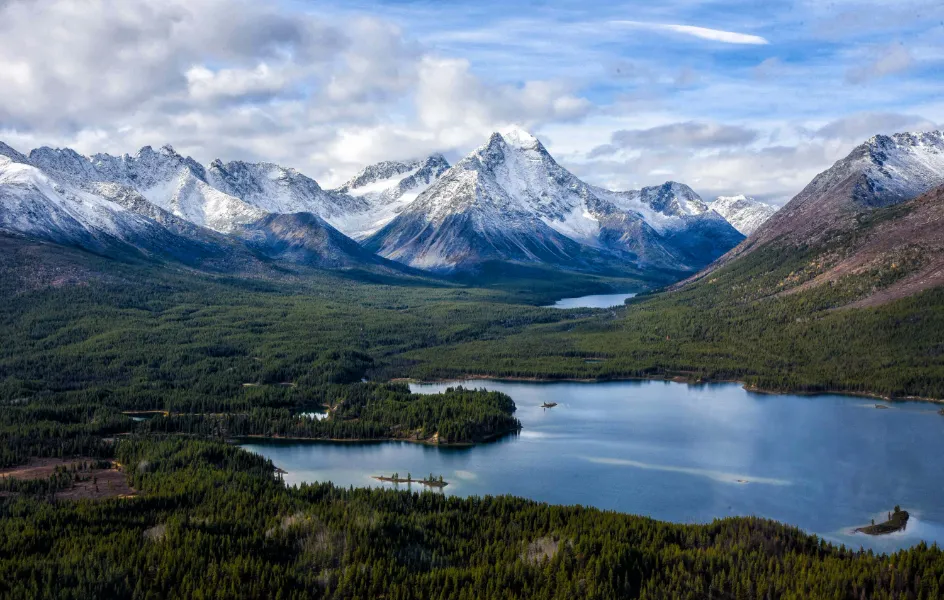
3 million hectares. Zero roads. One chance to protect it forever.
Protect Gatineau Park

Don’t let the federal Liberals off the hook!

Help us protect the NCR Greenbelt!
The National Capital Greenbelt is a rare mosaic of crucial habitats and sustainable farmland supporting both nature and the local community. But the threat of encroaching infrastructure and development projects is looming.

Help Us Fight For A Coal Free Future In Alberta

Tell the Government: Protect the Homes of Wildlife
Why protected areas are key to our future
Why are we fighting so hard for nature? By going all in on conservation, we’re investing in our economy, communities and future. Here’s how:
Helping us thrive
Securing Access to Nature: Conservation makes sure we can keep benefiting from nature for activities we love and depend on, like hunting, fishing, camping and hiking. Over 90% of Canadians enjoy these activities, and we want to make sure things stay that way.
Improving Health and Well-being: Being in nature is linked to positive changes in mental health and physical development for children. For more, read our report about how caring for nature is really caring for ourselves, Healthy Nature Healthy People.
Providing Food and Medicine: Allowing natural spaces to flourish ensures we can keep sustainably harvesting wild plants, wild game, fish, herbs, and other important sources of specialized and culturally relevant medicine.
Boosting our societies
Diversifying our Economy: If you’re working in sustainable fisheries, parks and recreation, or conservation, you’re part of the green economy that benefits from conservation. Protected areas also strengthen economies through generating jobs for locals, ecotourism and taxes for local communities. Read more in our economic backgrounder, Investing in Nature.
Advancing Science and Education: By researching protected areas, which are often representative examples of natural environments, we learn how to better steward land and water. That research helps us manage and respond to habitat loss and degradation, pollution, invasive species, climate change and other threats.
Advancing reconciliation and Indigenous knowledge: Initiatives like Indigenous Protected and Conserved Areas (ICPAs) are a tangible way for governments to invest in supporting Indigenous rights. These projects enable self-determination, reconnect people with their lands and boost local Indigenous economies. They’re also an invaluable opportunity for true reconciliation to take place between Indigenous and settler communities and the land itself.
Saving our planet
Creating a stable, livable environment: Protected areas have a huge impact beyond their borders. They provide air and water filtration, seed banks, carbon storage, and help prevent floods and droughts. When our air, land, water and forests thrive, we keep the delicate balance of all living things in check.
Protecting All Living Things: Protected areas provide safe space for wildlife to feed, raise their young, and avoid conflict with humans. They also provide space for plants and animals to survive, adapt to environmental changes, and seek refuge from extreme weather. This isn’t optional: as a signatory to the UN’s Convention on Biological Diversity, Canada is legally bound to conserve nature in all its forms.
Climate Adaptation: Protected spaces are highly effective in removing carbon and CO2 from the atmosphere and storing it safely. What’s more, they stop urban and industrial development from disturbing stored carbon so it can’t re-enter the atmosphere—an urgent near-term need. They’re a key nature-based climate solution that we can bet on. See more in our report, Leveraging Protected Areas for Climate Action.
Protected areas are a promise and a gift to future generations. By taking action now to defend these natural spaces, we secure health, wealth and growth for ourselves and the planet.
How CPAWS is fighting for nature
Creating new protected areas
A major part of CPAWS’ work is advocating for governments to protect new areas. We have decades of experience working with people from all backgrounds on this process, which often requires several years. We play a key role every step of the way:
- Identifying areas to protect, using scientific research, traditional and local knowledge
- Consulting and collaborating with local residents and Indigenous communities
- Creating laws and policies by working with multiple levels of government
- Establishing plans to monitor and co-manage areas, alongside local communities and governments
- Reviewing results and adapting to keep areas working as they should
When creating protected areas, we believe “nothing for us, without us”: Those of us whose livelihoods rely on nature need to have a say. We’re committed to elevating the voices of everyday people and making sure lawmakers take our perspectives into account.
Defending existing parks
Once protected areas become official, our role as a watchdog isn’t over. We help monitor these areas alongside locals on the ground to make sure they are properly cared for, providing key insights to decision-makers. For individual parks, CPAWS informs management plans and long-term ecological visions for the area. On a larger scale, CPAWS advocates for ongoing conservation funding, holds governments accountable for their past promises, and submits recommendations to the Minister of Environmental and Climate Change’s bi-annual Round Tables.
We’re also at the table to inform proposals like recreational facility expansions and commercial developments, offsetting a chronic lack of consultation with Canadians on development projects. Stay up to date to know about future opportunities to take part—we need your voice.
Latest news and updates about parks
-
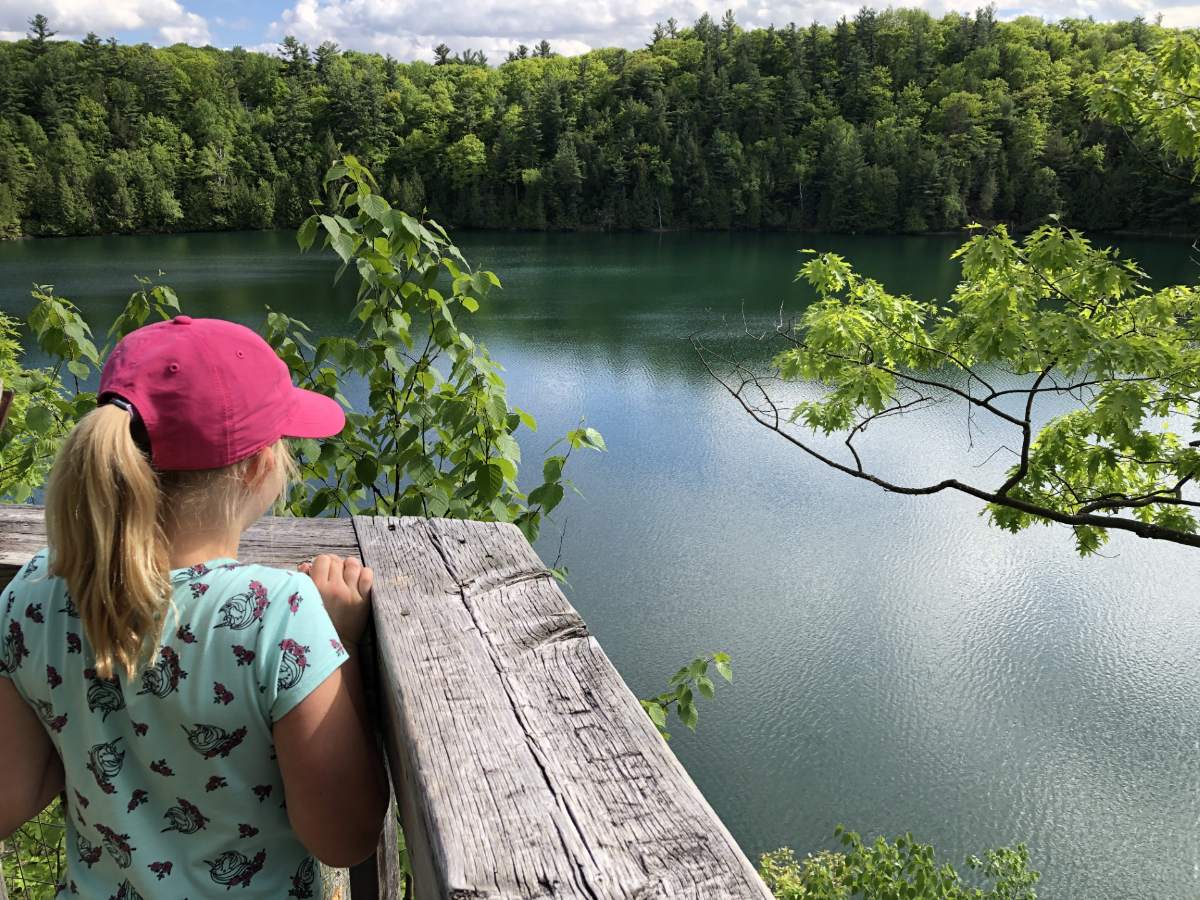 Land and Freshwater, Parks and Protected Areas
A Promise to Protect: Nature Is Still Waiting
-
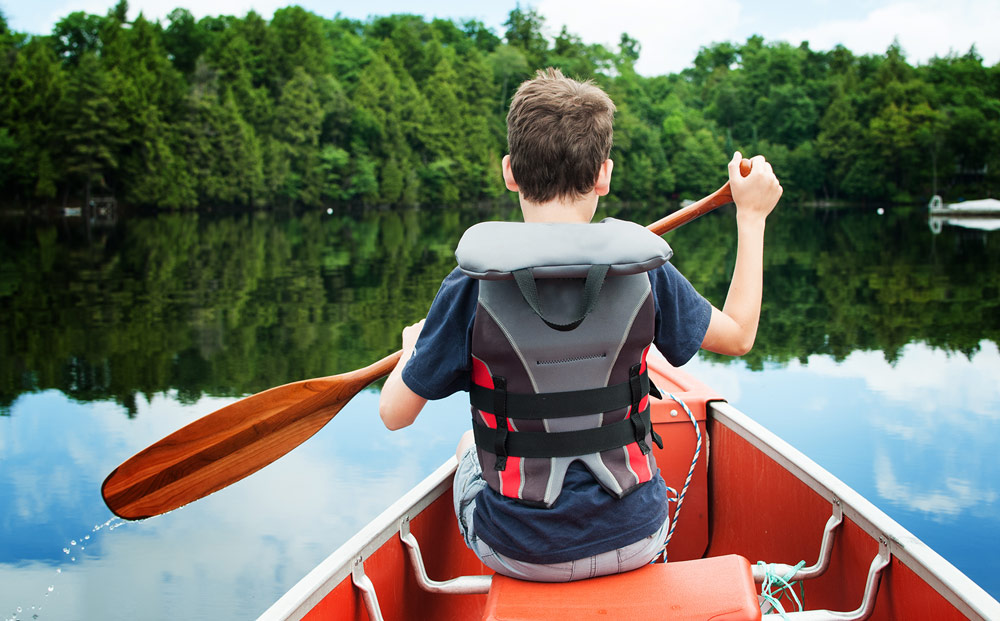 Land and Freshwater, Parks and Protected Areas
Where We Feel Our Best
-
 Land and Freshwater, Parks and Protected Areas
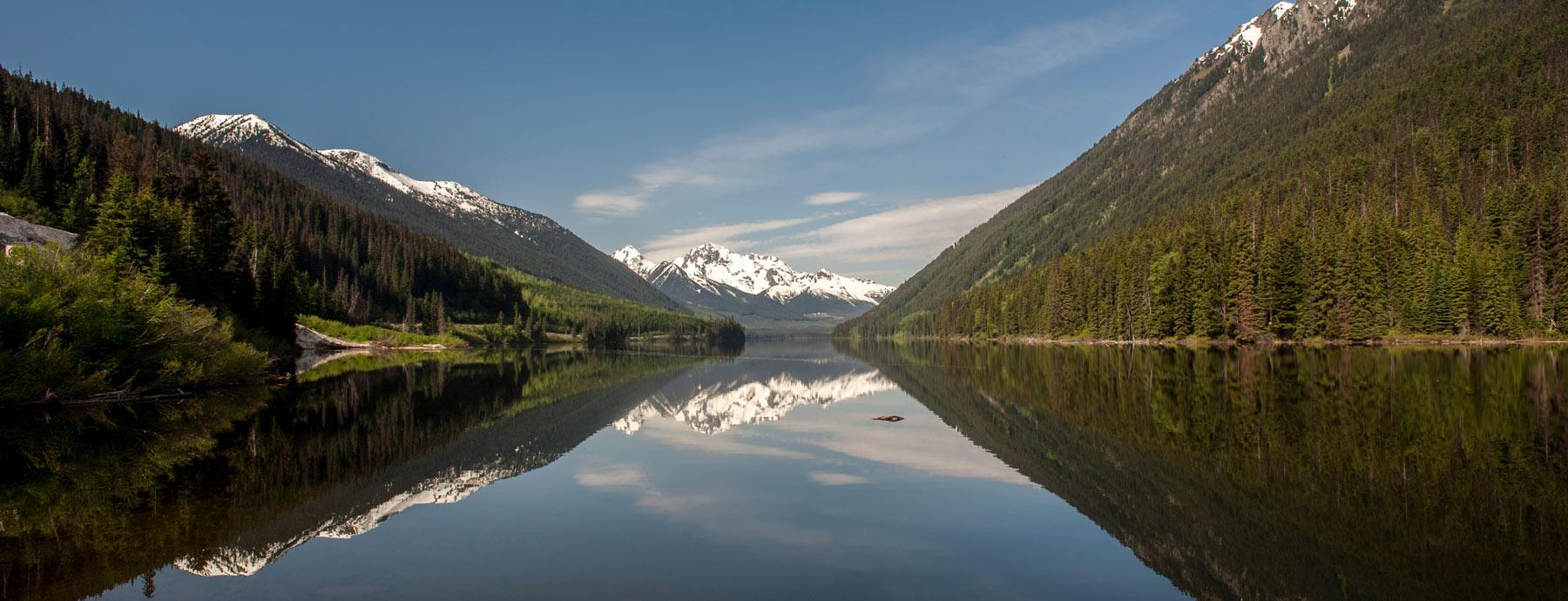
Interactive Map: 45 ‘Psst-worthy” But Passed Over Canadian Parks in Plain Sight
-
Land and Freshwater, Parks and Protected Areas
Skip the Crowds: Discover the Beauty of Lesser-Known Parks This Summer!
-
 Land and Freshwater, Parks and Protected Areas
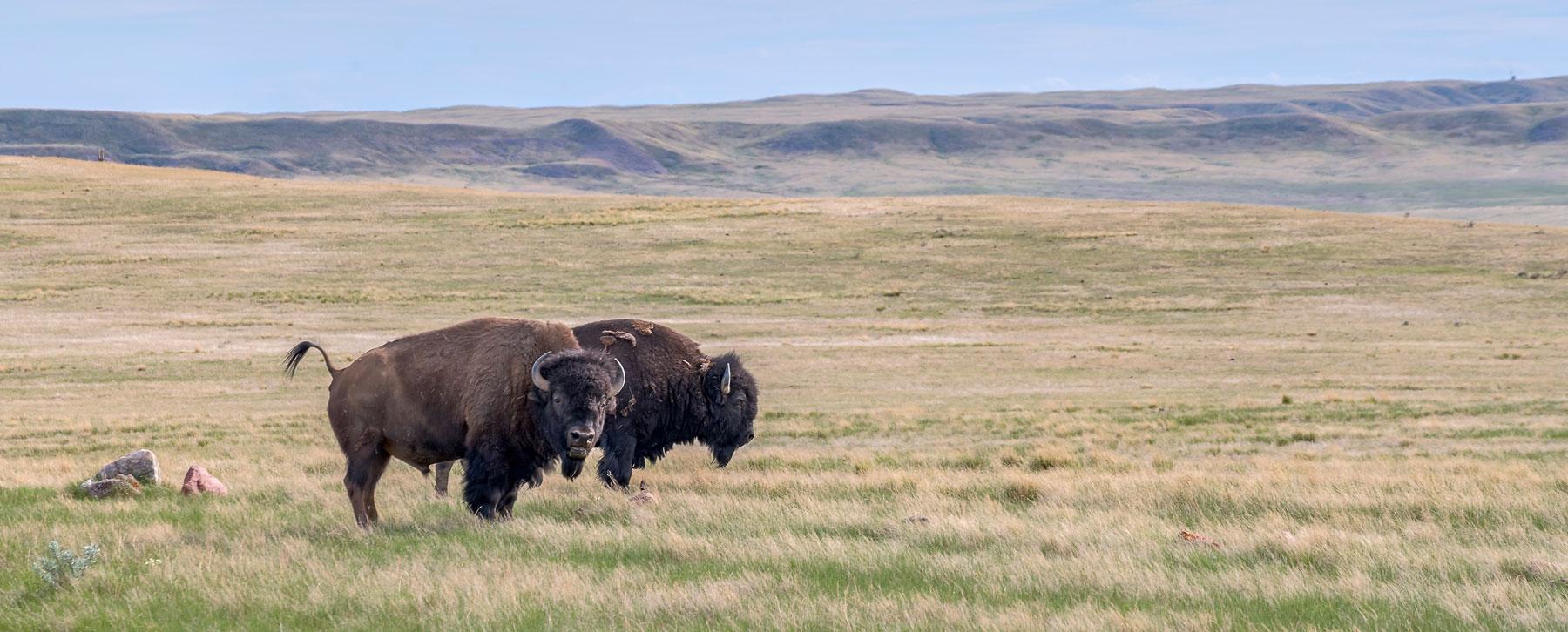
Free Entry to Canada’s National Parks for Summer 2025
-
 Land and Freshwater, Parks and Protected Areas
This Parks Day (July 20th) We are Celebrating National Urban Parks! A Way-Cool Conservation Tool!
-
 Land and Freshwater, Wildlife
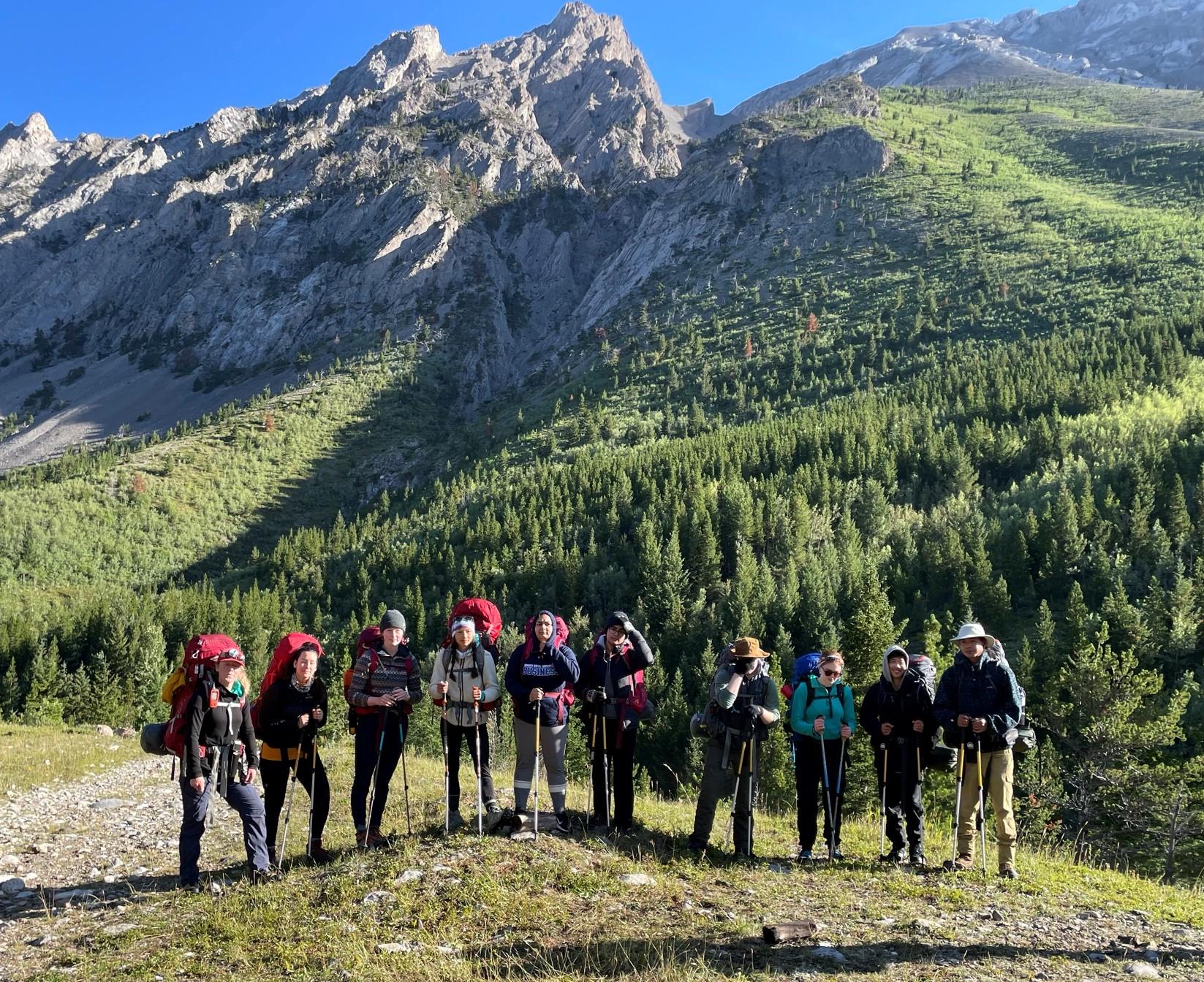
A Look Back on the Third Year of the Canadian Wilderness Stewardship Program


Be the first to know about the latest updates and ways to take action
Subscribe to our newsletterStay connected to nature conservation work happening in your area
Find your local CPAWS chapterExplore parks reports and resources

On the Path to 2030
Canadian Parks and Wilderness Society | 2025
Read More