Speed Kills: Fast-Tracking Development is Risky Business

Economy | Government and Policy
Why speeding up major project approvals should make you concerned
Fast food, fast highways, fast project approvals. Everyone is in a rush these days, but faster doesn’t mean better – or safer. All introduce greater risk, more danger, and a sense that there isn’t time to thoughtfully assess all the implications of speed versus caution.
Bill 30, the Alberta government’s Expedited 120-Day Approval Act and the federal government’s “Getting Major Projects Built in Canada” proposal are examples of this pell-mell rush to get projects approved fast. There is a cost to this speed which is rarely factored into the hype and sales pitch of economic development.
The usual rationale is approvals take too long, the “red tape” is too constricting, and opportunity will flee to less regimented jurisdictions if governments don’t acquiesce and accede to reducing the regulatory burden.
Surely there is no conflict between corporate interests and the public good? Well, both the provincial and federal governments have been subject to a concerted whispering campaign that time is money, long-range planning for environmental assessment is overly onerous, regulations are too constraining, and if business doesn’t get a signal of speedy approvals the economy will surely crater. This all seems so compelling until one looks for the evidence.
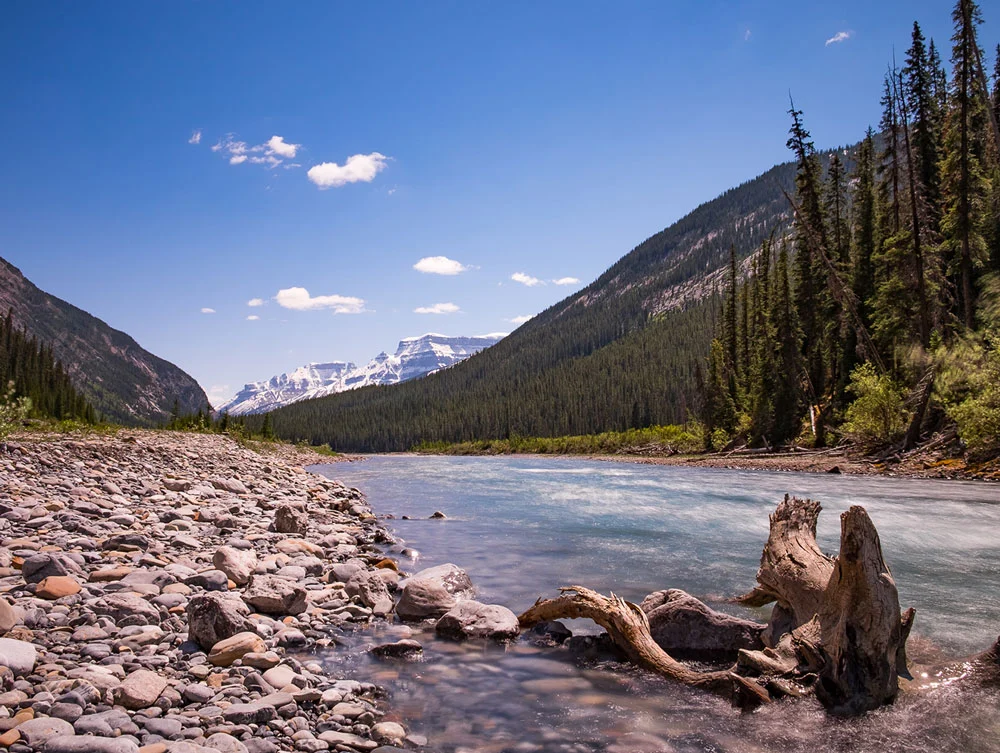
It’s a gross assumption to think that regulatory processes like environmental assessments are an obstacle for business, that the process currently takes too long, or in any way constrains economic development. On the contrary, it is in the public interest to ensure projects actually meet requirements for protection of water quality, landscape integrity, human health, biodiversity, and related conventions signed by governments.
The process also is a sober test of whether projects risk a bailout from the public purse because of bad business decisions or inadequate environmental restoration or reclamation.
One of the axioms of speed is “There’s never time to do it right, but there’s always time to do it over.” Except, many times we don’t get to do it over, especially when the pace of development zeal leaves an unfortunate legacy of polluted water, damaged landscapes, and biodiversity losses, including extirpation and extinction of species.
While the evidence of careful, thoughtful planning leading to unnecessary delays is wanting, the evidence of reckless, poorly planned, and political interventions leading to project failures, downloading of costs to the public, and damaged ecological integrity is legion. That’s why we require guardrails. Ironically, these serve to protect business as well from poor planning, unintended liabilities, and a rush to development with a lack of critical information to succeed.
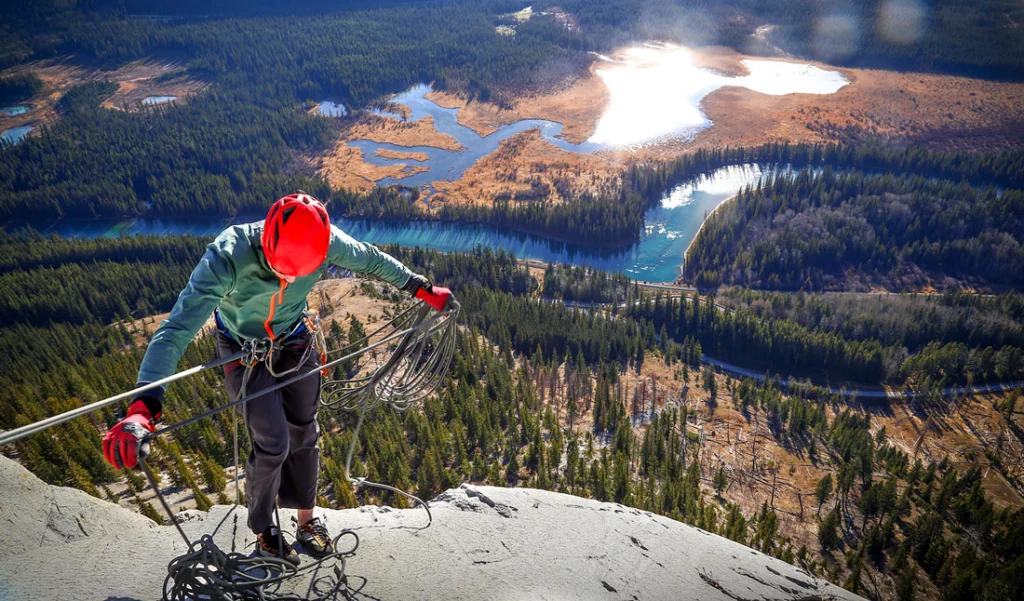
Photo: Rock climbing in Banff National Park, Alberta — Sara Lindstrom
In Alberta consider the thousands of abandoned gas and oil wells that the industry would like the public taxpayer to remediate. Or the deficit in funds to reclaim the tar sands and coal mines, and deal with their toxic legacy, if indeed this is remotely possible, because of business decisions initially rushed to approval.
Be wary of filler words like:
- Simplifying
- Clearer advice
- Pre-approval
- Streamlining
Or process changes that:
- Narrow types of activities for streamlining
- Allow construction before approvals
- Adjust impact assessment conditions
- Allow exemptions for projects
We should not be fooled or lulled into a false sense of complacency by empty, but soothing, ‘filler words’ and phrases from our governments; there is no justification for erasing careful, thoughtful planning and oversight.
Added to this are the meaningless and mostly vacuous references to ‘mitigation’ and ‘offsetting’ to compensate for losses of biodiversity and habitats. This is particularly disingenuous since most of this ‘compensation’ is unmonitored, untested, and unproven. Even the Auditor General of Canada says so.
All of this rush represents the essential dismantling of years of negotiation and public engagement on what the rules are for environmental impact assessments and the guardrails to ensure the public interest is protected in developments. Unstated is what the changes might include for the Fisheries Act, the Species at Risk Act, the Canada Water Act, and effluent regulations for industry. This enthusiasm for economics over the environment overrides principles and legislation I thought were well enshrined, at least federally. It’s a significant step backwards.
The dubious quality of government promises is matched by the flood of hype and hyperbole on why we need to make significant environmental sacrifices in favour of the shiny bauble of speedy economic development. What could possibly go wrong with the rush to do so?

ARTICLE WRITTEN BY
Lorne Fitch
Lorne Fitch is a Professional Biologist, a retired Fish and Wildlife Biologist and a former Adjunct Professor with the University of Calgary. He is the author of Streams of Consequence, Travels Up the Creek, and Conservation Confidential.
Take action
YOUR VOICE HAS POWER
The government is asking Canadians for their feedback on this draft proposal, before it’s turned into legislation for Parliament to review and approve.
You have until July 22, can we count on you to speak up for nature?
Other articles you may be interested in:
-
 Economy, Government and Policy
Nation-Building or Breaking?
New federal proposal to fast-track major projects won’t build Canada strong.
-
 Economy, Government and Policy
A Force Of Nature?
While Canada’s new conservation strategy is a step forward, notable gray areas raise questions.
-
 Economy, Government and Policy
Addressing the Natural Infrastructure Policy Gap is Crucial to Nation-Building Success
Canada’s nation-building strategy must include protecting the natural infrastructure we did not build, but that we rely on every day.
-
 Government and Policy
“Canada Strong” Means Standing Up for Nature
“We’re being asked to trade away the future of our environment for the illusion of quick economic wins. That’s not nation-building. That’s not the Canada most of us believe in.”


