Canada’s Caribou: Treading in the Crosshairs of Politics and Economics

Caribou | Wildlife
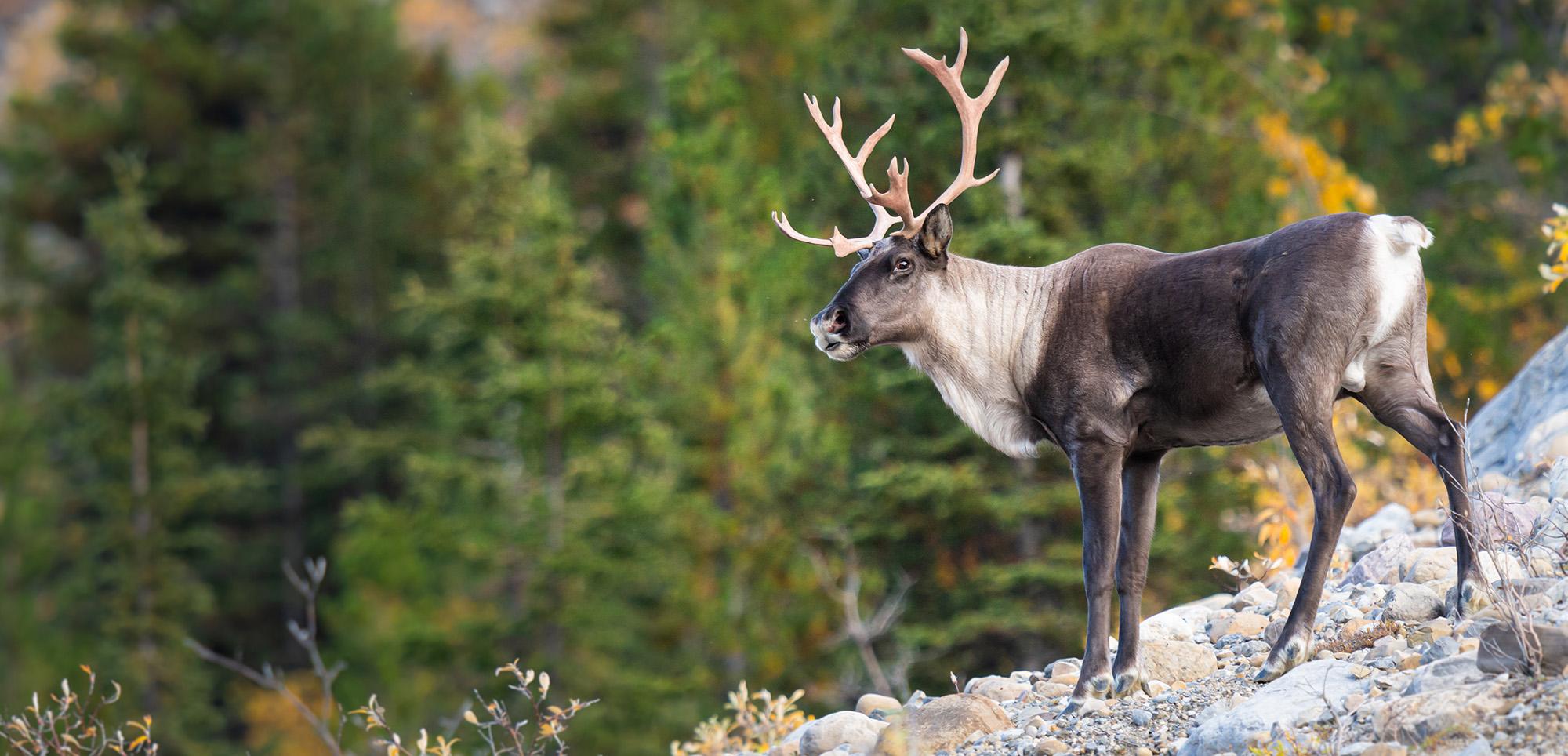
Caribou are majestic and fascinating animals, carrying with them a long story of resilience and hope, but also concern for their future and ours.
They are a widespread species in Canada, yet for many Canadians, we don’t associate with them simply because most of us live in the southern parts of the country. This species underscores the fact that Canada is much more than what we are used to seeing on a daily basis.
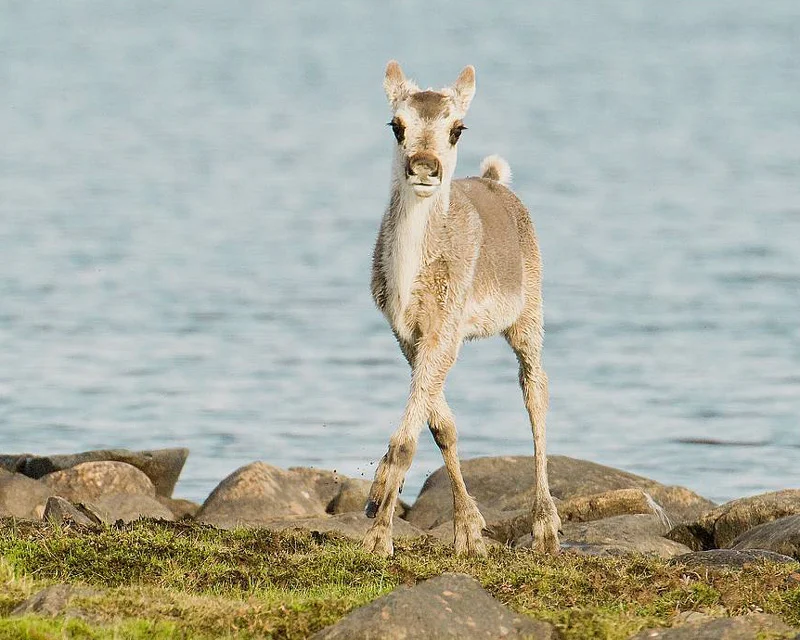
But what is beyond our yard and city limits is no less important.
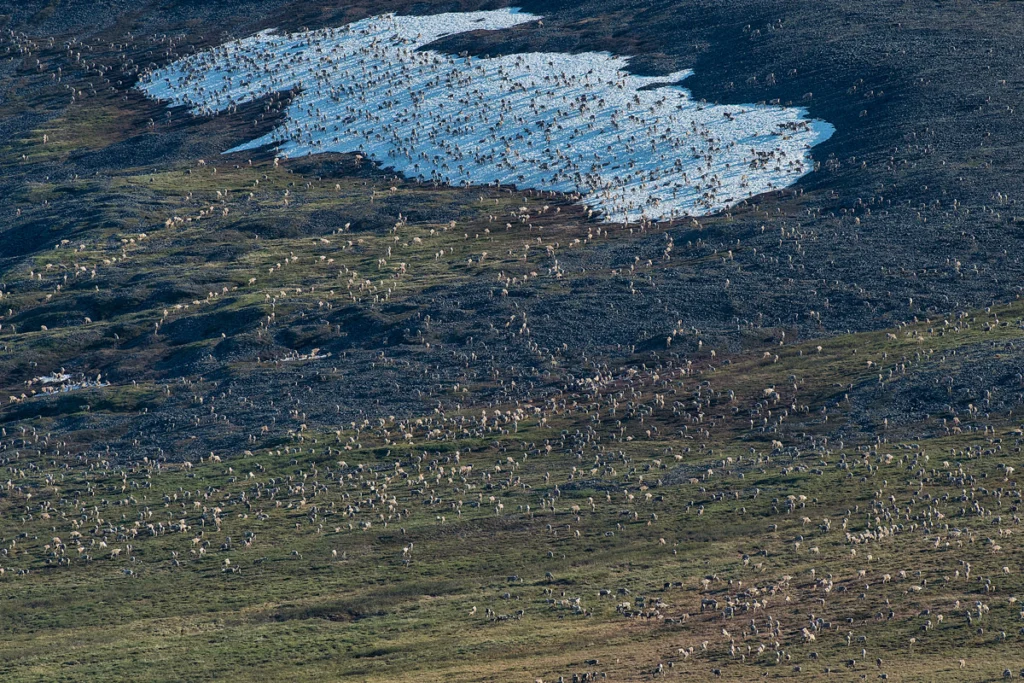
When you start learning about caribou, you can’t help but imagine scenes of vast, enormous herds that span kilometers across endless northern landscapes. In some areas, this is still the case – the Porcupine caribou herd, for example, numbered around 200,000 animals when it was counted in 2017.
But these impressive numbers mask a troubling truth. Across much of Canada, caribou populations are in major decline. Once abundant and widely distributed, many herds are now shrinking or on the brink of collapse. This isn’t just a loss for the species itself — caribou are what scientists call indicator species, reflecting the overall health of the ecosystems they inhabit. When caribou struggle, the entire ecosystem is under stress.
Why Caribou Matter – Canaries in the Coal Mine
Caribou are more than iconic northern wildlife: as an indicator species, caribou reflect the health of entire ecosystems. Their decline signals deeper trouble in the environment and, ultimately, for human well-being.
For over two million years, caribou have shaped — and been shaped by — the harsh climates and landscapes of the northern regions. They are built for survival where few others can live. Caribou move with the seasons, feeding wolves, bears, and wolverines, while nourishing the people who have relied on them for countless generations. In return, they depend on vast, unbroken landscapes — forests and wetlands that offer food, breeding grounds, and migration routes between them.
Scientists have found that at least 65% of boreal caribou habitat must remain undisturbed if caribou populations are to survive. But such intact areas are increasingly rare: even small scars on the land — a road, a mine, a network of pipelines — can cause significant disturbance. And today, many herds are nearing extinction, their ranges increasingly fragmented by human development.
Monitoring caribou populations provides us with signals of how entire ecosystems are doing. The same forests and peatlands that are home to caribou provide ecosystem services Canadians depend on: they purify air and water, feed communities, and store and absorb immense amounts of carbon, mitigating, rather than accelerating, climate change.
Across Canada, the creation of large, connected protected areas is vital to giving caribou a chance to recover and nature a chance to thrive and protect us.
Threats
Across Canada, caribou face significant threats, with numerous herds at risk of vanishing due to extensive resource development and climate change.
See our caribou page for an in-depth look at the threats facing caribou across the country.
Climate change compounds the risks caribou already face. Hotter, drier summers are fueling more frequent and intense wildfires, destroying and fragmenting the boreal landscapes further, which exposes them to predators and decreases their access to food. Warmer winters also enable the spread of parasites such as the Scandinavian brainworm (Elaphostrongylus rangiferi), which is increasingly affecting caribou populations in the north.
The threats to caribou habitat make protected areas essential to their survival. Across Canada, commitments are needed to protect the species and the land they live on into the future.
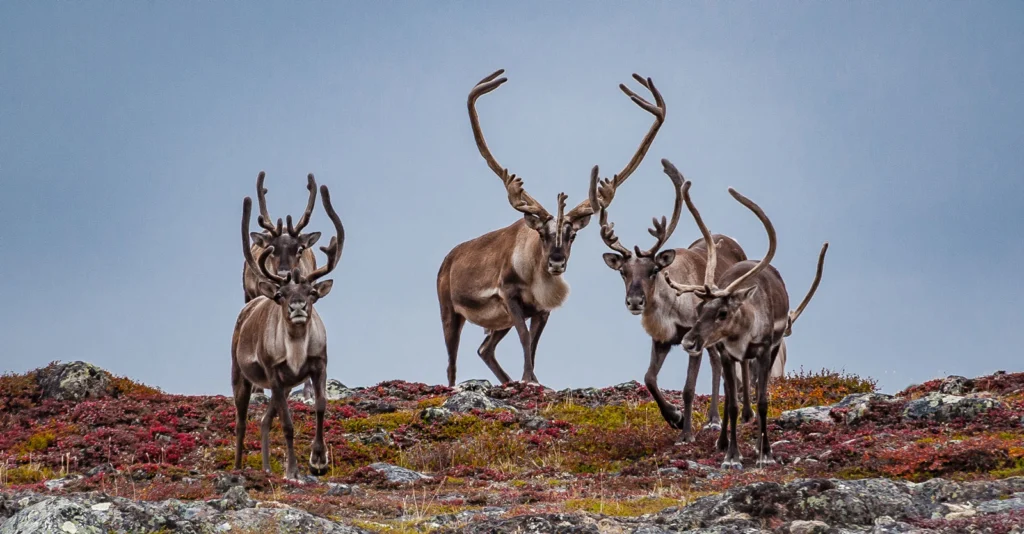
Find updates on the status of the caribou across Canada through our Interactive map.
Our chapters have provided updates on how caribou are faring across Canada and what you can do to help ensure these animals are strongly protected for generations to come.
Political and Economic Crossroads
Unfortunately, the passing of the federal government’s Bill C-5 has raised serious concerns. By bypassing key environmental protections like the Species at Risk Act and the Impact Assessment Act for large-scale “nation-building” projects, the bill further threatens caribou habitat, especially since many of the proposed projects are located in the north, overlapping with areas used by caribou. While there’s room to improve these Acts, scrapping or weakening them undermines decades of hard-won progress in species and habitat protection.
So far, the 2025 federal budget has left nature out completely. After extensive discussions with government officials, and further advocacy alongside partner organizations of the Green Budget Coalition, we are disappointed that nature remains unrecognized as a foundational asset in economic development. We continue to ask for funding and resources that will meet the scale of conservation and stewardship needs, including the Enhanced Nature Legacy Fund which supports the protection of crucial caribou habitats.
Regionally, politics and economics are also putting pressure on caribou. In Ontario, for instance, Bill 5 and the reckless deregulation involved in fast-tracking resource extraction projects jeopardize critical caribou habitat. The bill is seeing the removal of the Endangered Species Act and accelerating the development of the Ring of Fire. Meanwhile, in provinces like Alberta and Quebec, some herds are nearing extinction without immediate and robust conservation efforts – demonstrating what can happen when development progresses without adequate consideration for nature.
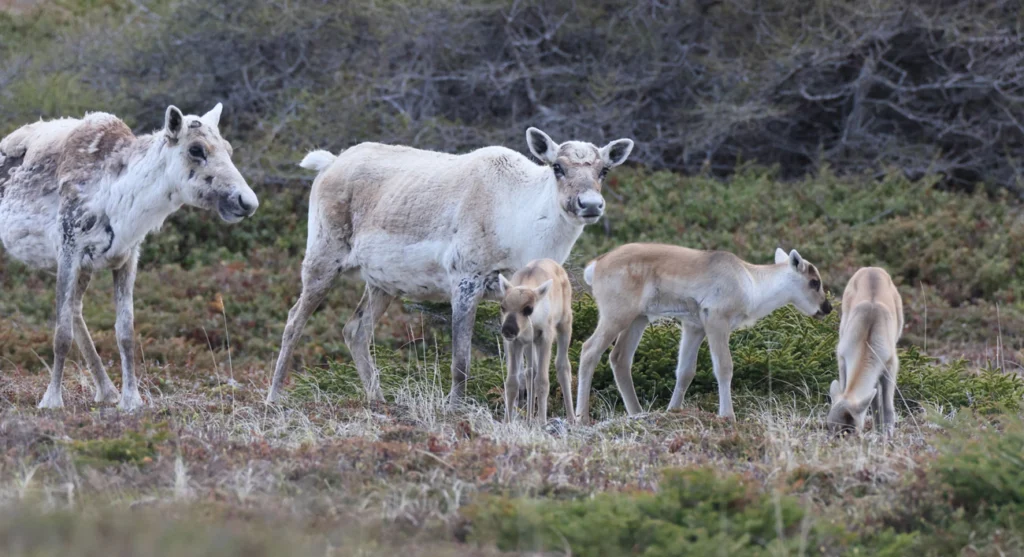
Protecting Caribou, Protecting Our Future
The best way to give caribou a fighting chance is to secure and protect the vast landscapes they depend on — places free from industrial expansion, roads, and other disturbances.
Across Canada, CPAWS Chapters, Indigenous communities, and conservation partners are working to defend and restore caribou ranges by creating protected areas, restoring lands, and including climate action in planning.
Additionally, we must see caribou conservation as part of the nature protection picture that helps to mitigate the threats of climate change by safeguarding carbon-rich landscapes and carbon sinks.
Real solutions are possible with political will, especially when that will aligns with science, and Indigenous leadership.
Together, we can secure resilient ecosystems for caribou, wildlife, and future generations, but we must act now. Contact your Member of Parliament and the Prime Minister to demand protection of caribou and their habitats.
Visit our *NEW* Caribou webpage to explore provincial updates on caribou across the country. Please follow our chapters on social media for news on caribou in their regions and for opportunities to help caribou.
Other articles you may be interested in:
-
 Caribou, Wildlife
Your Cross-Canada Caribou Update – Part One
-
 Indigenous-led Conservation
Stronger Together: Supporting Indigenous-Led Conservation

