
Caribou
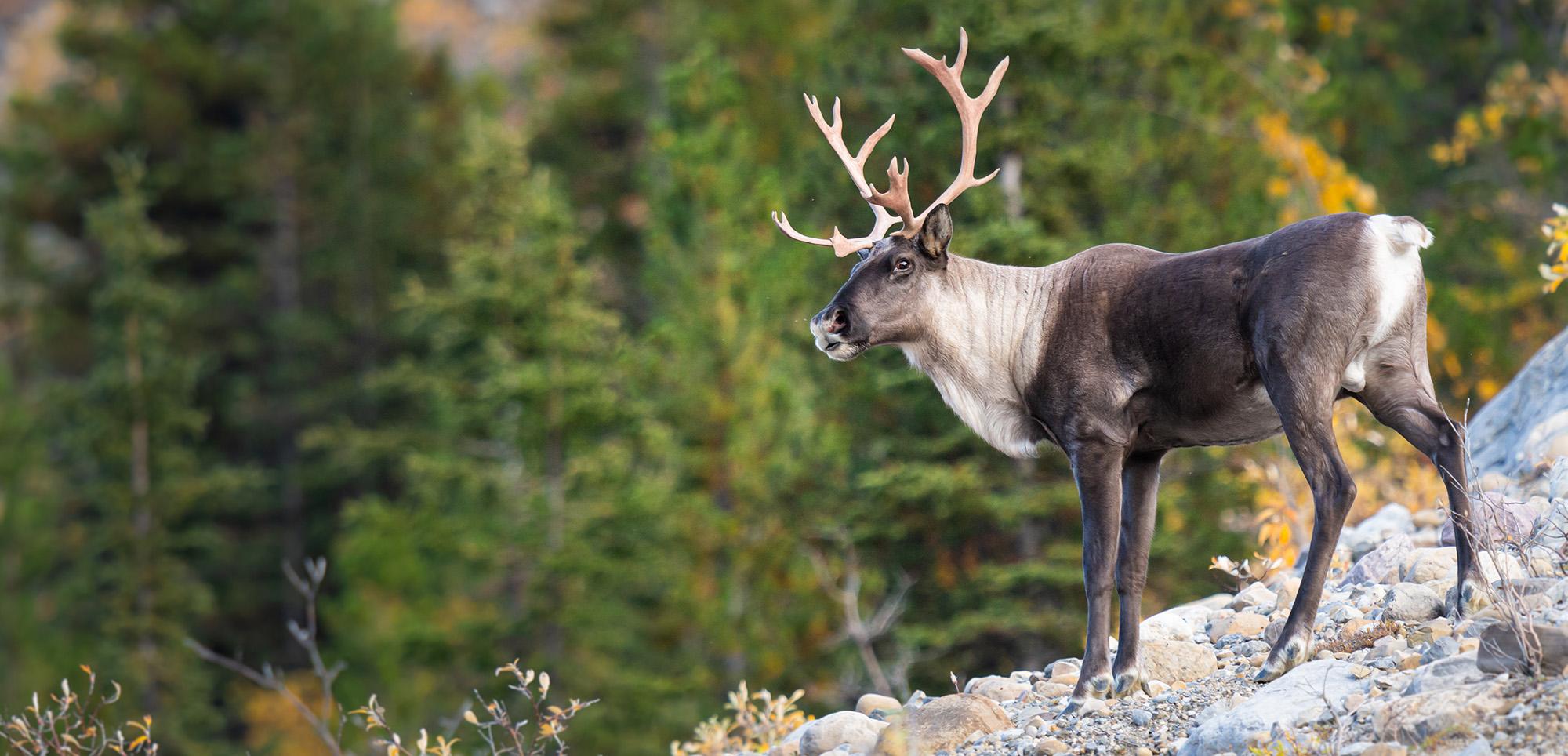
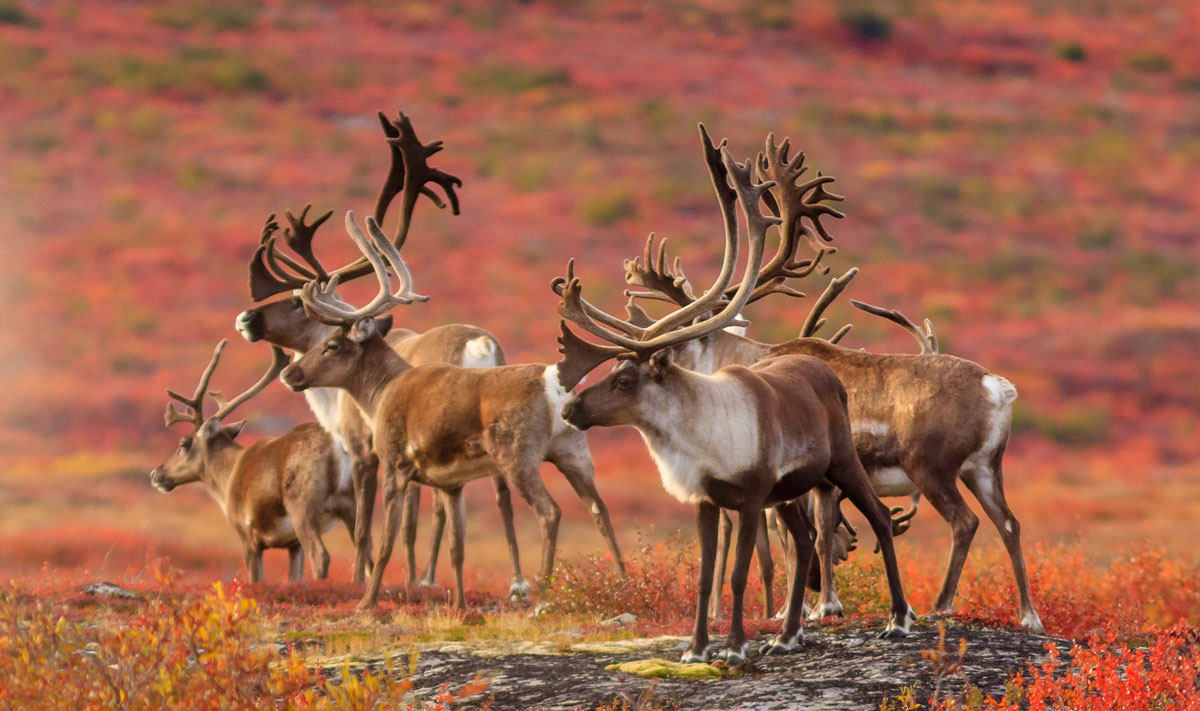
PHOTO: CARIBOU HERD CROSSING RIDGELINE BY CALVIN.
For over two million years, caribou have shaped northern ecosystems
They rely on vast, intact landscapes that also provide clean air, water, and climate protection for us all. Today, caribou face growing threats from climate change, habitat loss and fragmentation. They need our protection.
Definitions
Organisms that help scientists assess the health of an ecosystem. They tell us if something has changed or is going to change in their environment. Often, these organisms interact with the environment in ways that make them highly sensitive to any changes. Learn more.
An environment where living beings (such as animals, plants, and microorganisms) and non-living things create an interconnected, complex system. Ecosystems and the organisms in them are always changing and adapting. Their delicate balance can be disrupted through pollutants, species loss and environmental damage. (The Canadian Encyclopedia, Government of Canada)
Guardians of the North and Indicators of Ecosystem Health
Caribou have been a fundamental part of our northern ecosystems for more than two million years. They have shaped and been shaped by the harsh climates and landscapes of the regions and are built for survival where few others can live. Predators like wolves, bears, wolverines, and even humans have relied on the presence of caribou as a source of food for thousands of years, many adapting their hunting patterns to follow caribou migrations.
Caribou need vast, undisturbed areas to support their large populations and a diversity of other species. Canadians also rely on the services of these ecosystems, including purifying air, cleaning water, providing foods, and mitigating the threats of climate change. By saving caribou’s remaining habitat in Canada’s Boreal forests and Northern tundra, we are protecting our health, as well as a way of life for Indigenous peoples.
Monitoring caribou populations provides us with signals of how an entire ecosystem is doing. Herds in Alberta and Quebec are dwindling to low numbers and face extinction if strong conservation efforts are not taken soon. This speaks to fragmentation and loss of healthy ecosystems. Across Canada, commitments are needed to protect the species into the future.
Canada’s caribou are a resilient species, having survived multiple ice ages, natural events like forest fires, and periods of overhunting. However, even a resilient species cannot adapt overnight (or even over decades) to environmental changes that directly undermine its survival strategies.
Caribou are vulnerable to extensive fragmentation and destruction of their habitat, which exposes them to predators and decreases their access to food. As the climate changes, increasing natural pressures like fires and pests may also result in fewer mature forests and other impacts to their habitat.
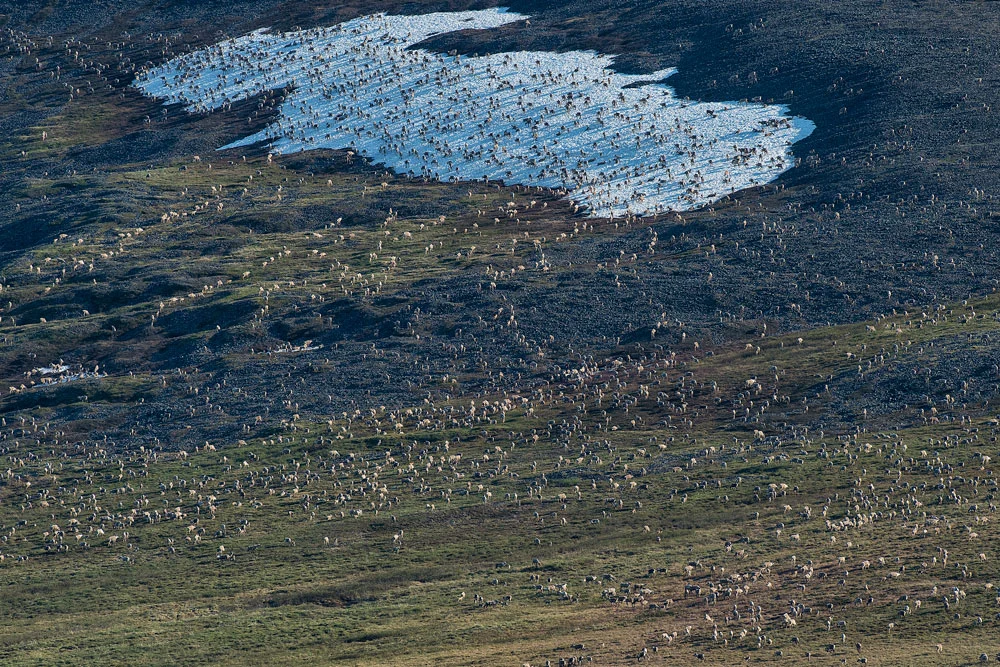
Various caribou herds are in trouble right now – having been diminished to the point where they are not able to increase or even maintain the size of their herds. Updated caribou management plans, investment in their conservation, and adequate safeguards from development are needed to prevent further loss of caribou in Canada.
Across Canada, CPAWS is working with provinces, territories, and the federal government, progressive companies, local communities, and First Nations to develop conservation measures for caribou on public lands, including those leased to resource companies.
CPAWS is:
- Encouraging provinces and territories to implement the legal tools needed to protect at-risk caribou herds across Canada, focused on woodland caribou;
- Designing and implementing range plans for all boreal woodland caribou herds that include effective protection for core caribou habitat;
- Working with forestry companies and indigenous peoples to develop caribou habitat conservation proposals on lands leased to forest companies, to help provincial governments find sustainable solutions;
- Supporting the integration of robust caribou conservation considerations in land use management and other tools that could reduce or halt the threats to critical habitat, such as forest management laws, permitting regulations, and environmental impact assessment practices.
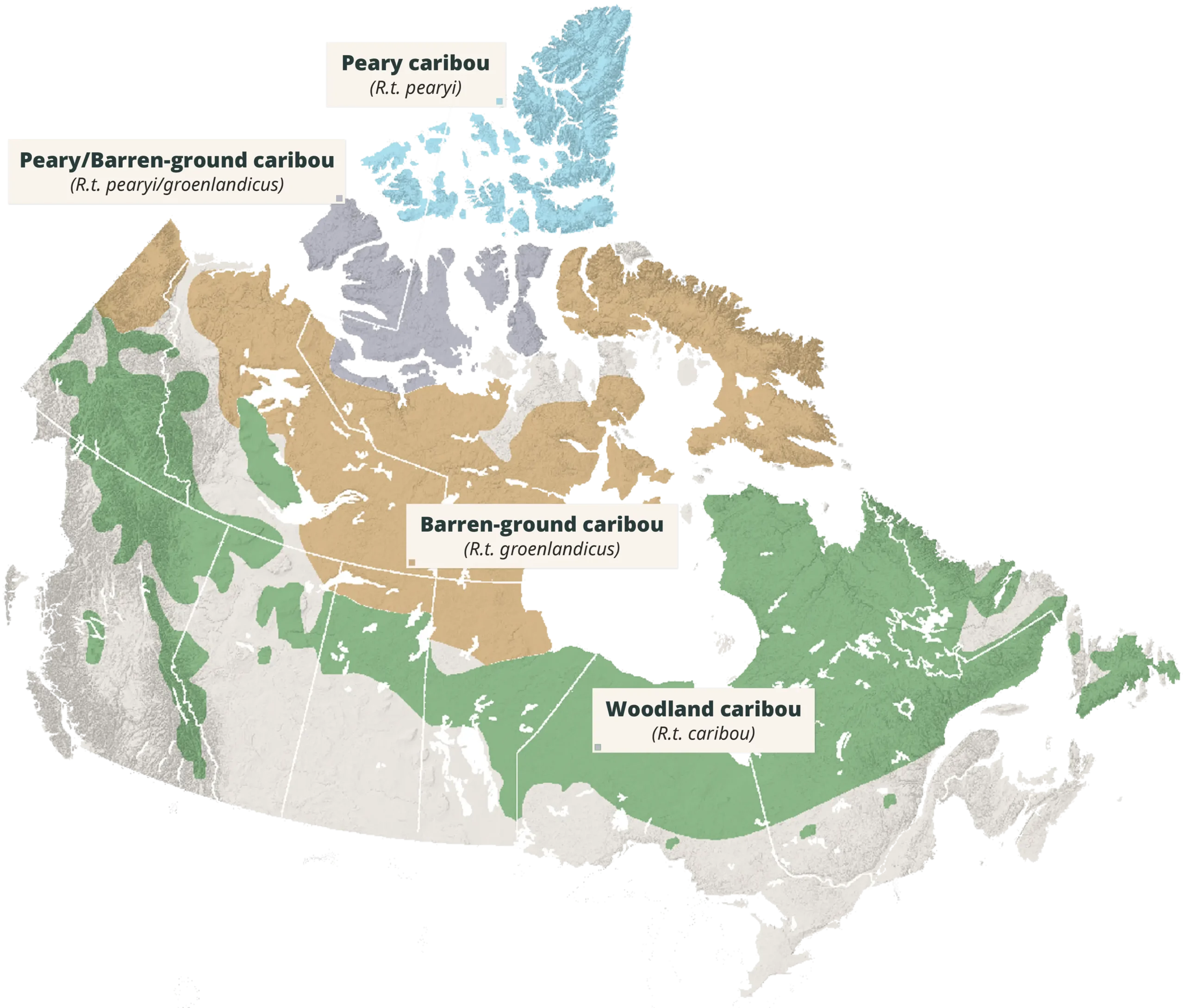
Our chapters are also doing work on other caribou ecotypes where these are significant in their jurisdiction, such as barren ground caribou or southern mountain caribou. Learn more about what our chapters are doing to protect caribou in their regions through the interactive map below.
Caribou across Canada – by province and territory
Things can change quickly for caribou. This is a snapshot update of their status nationwide, expanding on the specific situations that caribou face and their varying conservation outlooks across the country.
1 Yukon
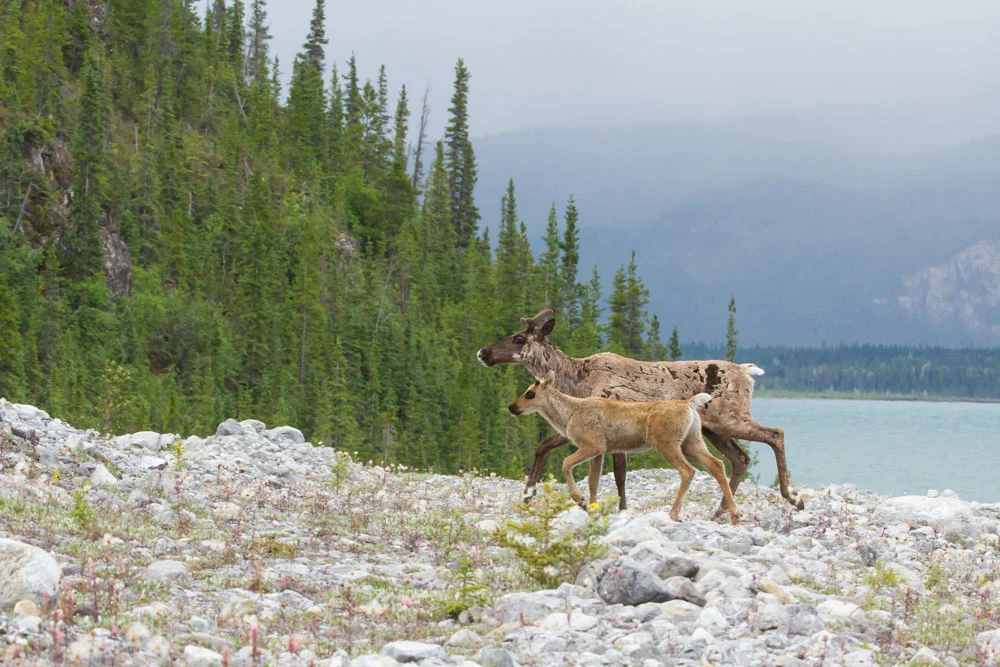
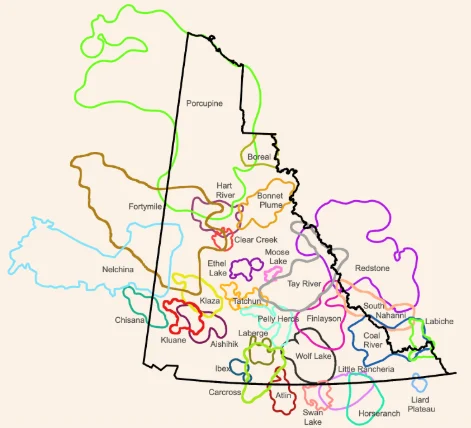
Yukon has many populations of caribou, including woodland, barren ground, and some Boreal caribou. These herds cross each other’s ranges at different times of the year and span territorial and national borders, creating an interesting mosaic.
After an initial decline at the turn of the century and following the Gold Rush, the Fortymile caribou population had a significant rebound in numbers. One hypothesis to explain this was that diseases passed from dogs decimated the wolf population in the region for a time, allowing herds to flourish. In the 1920s, the herd size was so great that it took multiple days for it to cross the Yukon. But, following this, the population dangerously dwindled due to excessive hunting and the cumulative effects of decades of road and mining development across the region. This brought the population from hundreds of thousands to only a few thousand by the 1970s1. Since conservation efforts began in earnest in the 1990’s, herd numbers have fluctuated up to about 84,000 in 2017, and down again to about 40,000 in 2022 2.
Like most migratory caribou, the Fortymile have natural boom and bust population cycles. This can make it hard to be certain how much a population’s decline is cyclical and how much is due to external factors. However, reduced available summer habitat means the animals have fewer places to go and less food in the summer. The herd has never expanded back into its full range in the Yukon, for reasons that are unclear. It is possible that, beyond habitat disturbance in some areas, the herd has lost knowledge of their ranges over the generations.
In 2024, the Yukon government greenlit the Kudz Ze Kayah mine to move into the regulatory phase despite First Nation opposition. The mine has not yet been built (beyond the existing exploration infrastructure). Still, it would threaten the Finlayson caribou herd, water, and Kaska culture in a part of the Yukon with a long history of abandoned mines. The Finlayson Herd is a part of the Northern Mountain population of woodland caribou.
Another northern herd, the Porcupine caribou, undertakes the longest land mammal migration in the world – an astounding 2,400 km journey through the Yukon, Alaska and Northwest Territories. Unfortunately, an enormous amount of pressure is coming to their calving grounds in the Arctic National Wildlife Refuge in Alaska, which President Trump opened to oil leasing in 2017. The Arctic Refuge has faced the threat of oil development repeatedly over the past 40 years, but the Gwich’in and their allies have managed to keep development out of these special lands every time. The calving grounds face renewed threats under the second Trump presidency, but the resolve to protect these lands and the Porcupine caribou herd is as strong as ever.
CPAWS Yukon has been working alongside the Gwich’in Nations and the Arctic Defence Campaign, which includes many of the biggest American Environmental NGOs, to protect the Porcupine caribou herd’s calving grounds. As part of this campaign, they successfully advocated for Canada’s largest banks never to finance drilling in these sacred calving grounds.
You Can Help
Please support CPAWS Yukon so that they can continue this crucial work, and contact your Members of the Legislative Assembly (MLA) to let them know that you want to see caribou protected.
Learn more about CPAWS Yukon’s conservation work for Porcupine caribou.
1. Source: Forty Mile Caribou in the Dawson Region (2012)
2. Source: Yukon at a crossroads with Fortymile caribou herd (2021)
This information is up to date as of June 16, 2025.
2 Northwest Territories
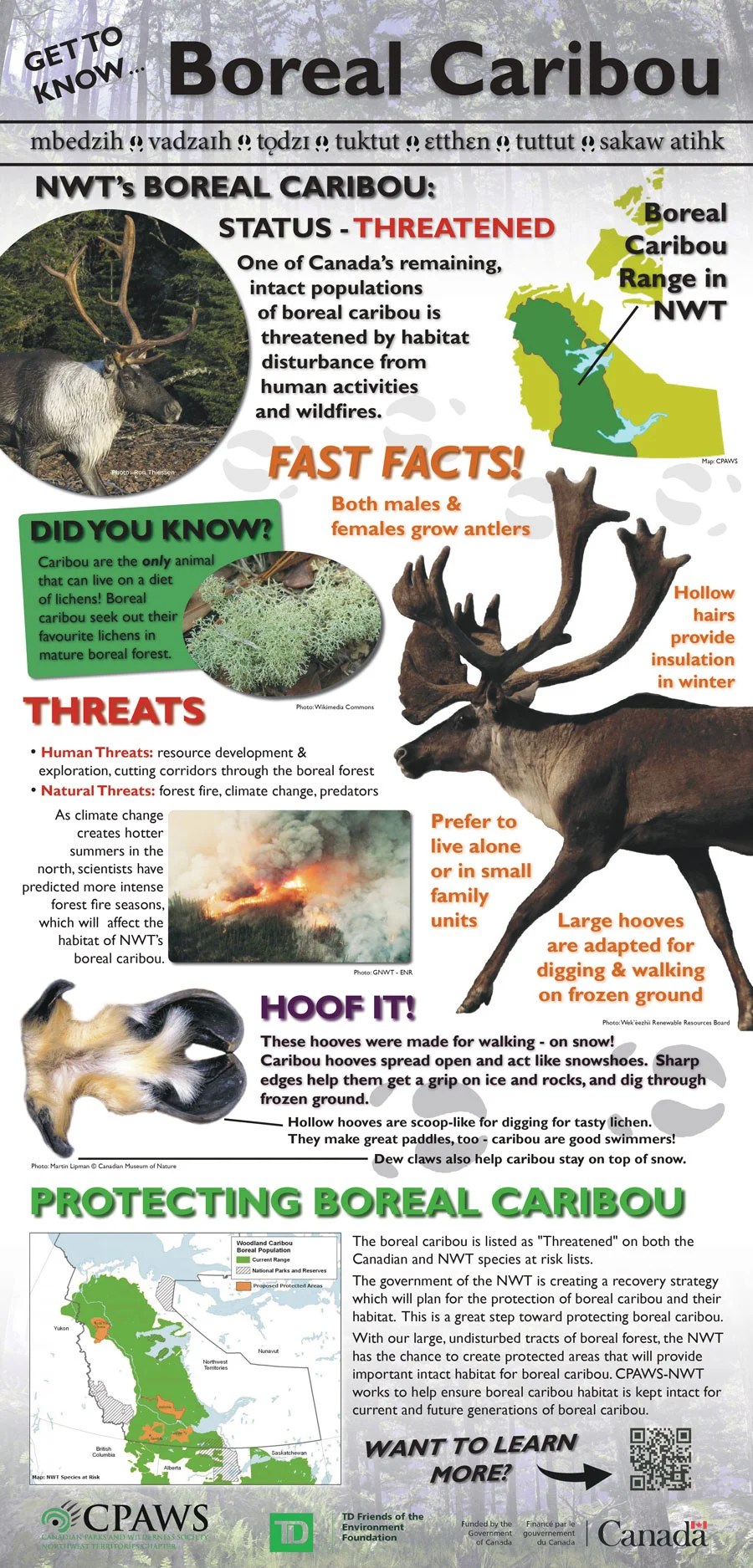
Caribou in the Northwest Territories are very important ecologically, culturally, and spiritually. There are five types of caribou in the NWT, including Peary, Dolphin & Union, Northern Mountain, Boreal and Barren-ground caribou and all of them are considered to be at risk.
Three Barren-ground caribou herds are struggling in the Northwest Territories, threatened by forest fires, resource development, and cuts through the boreal forest. Further, road development gives predators like wolves an advantage as they can travel fast in straight lines, leading to great increases in caribou predation.
These caribou are listed as “threatened” on both the Canadian and NWT species at risk lists. The NWT Species at Risk Act is fundamentally harvest-driven, meaning it intends to ensure populations persist to continue providing country foods. Because caribou are a culturally important species, this is an effective way of ensuring conservation.
You Can Help
Please support CPAWS NWT so that they can continue this crucial work, and contact your Members of the Legislative Assembly (MLA) to let them know that you want to see caribou protected.
Learn more about CPAWS Northwest Territories’s caribou conservation work.
This information is up to date as of June 16, 2025.
3 British Columbia
4 Alberta
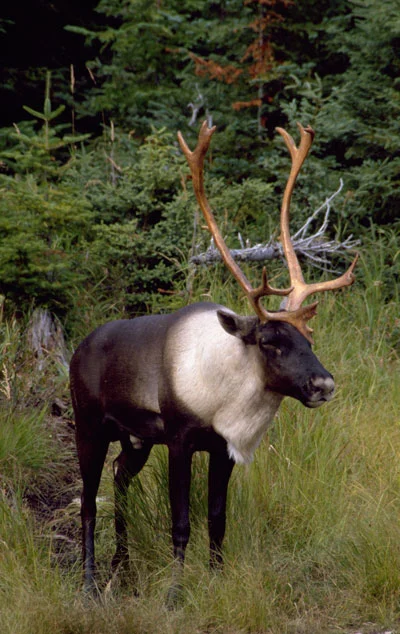
Unfortunately, caribou across Alberta are in serious trouble. Many caribou ranges have been heavily fragmented by industrial activity. Disturbed landscapes attract predators like wolves and leave caribou with nowhere to escape predation.
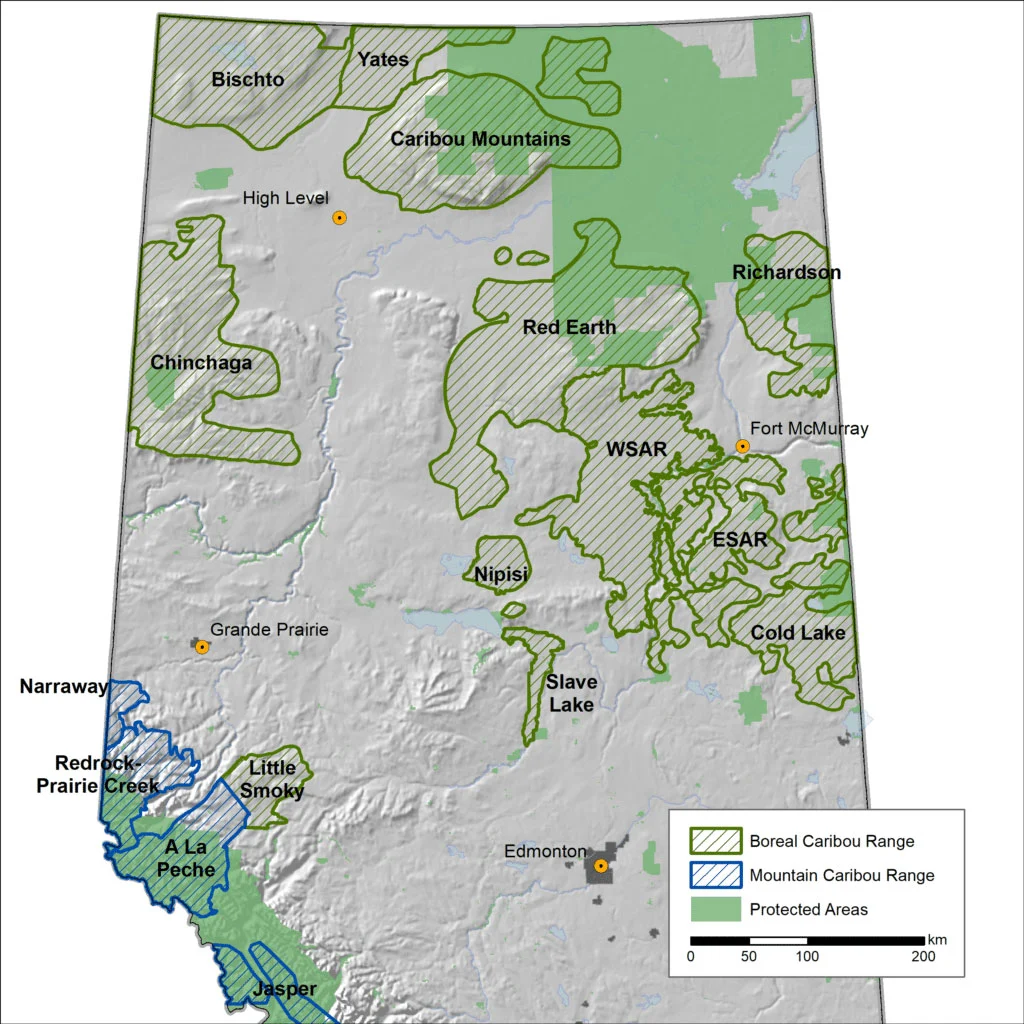
For Southern Mountain caribou, the high disturbance to their winter range in the forested foothills forces these iconic animals to hide in the harsh mountains year-round, where they can be caught in avalanches. Multiple avalanches have killed significant numbers of the Redrock Prairie Creek population, which only has ~100 individuals left. For example in 2019, avalanches killed at least 25% of the population.
Some caribou in Alberta have less than one percent of their ranges intact. With so little habitat left, it is essential to prevent additional disturbances in their ranges to recover and stabilize caribou populations. As an umbrella species, protecting caribou habitat protects habitat for all other species that rely on intact boreal forest to survive.
Yet, the provincial government remains years behind schedule on caribou conservation. Agreements between Alberta and the federal government are failing to restore and protect caribou habitats and populations as the province continues to prioritize industrial development, which further jeopardizes caribou survival.
For instance, Alberta’s draft Upper Smoky Sub-Regional plan would, if approved, enable the U.S.-based timber company Weyerhaeuser to entirely clear-cut the last remaining winter range forests occupied by the Red Rock-Prairie Creek and Narraway caribou. This would further open caribou ranges to oil and gas developments. Already, these two caribou populations are barely hanging on and would be lost if the plan is approved.
“The plan doesn’t even list caribou recovery as an objective and would approve the clearcutting of nearly all remaining forests in the caribou’s winter range.” – Tara Russell, Program Director of CPAWS Northern Alberta.
Caribou in Crisis, It’s Not Too Late
On federal lands, as a last-ditch emergency effort, a new Caribou Conservation Breeding Centre has been established in Jasper National Park. The centre plans to capture 25 to 35 female Woodland caribou and start producing enough calves to restore Jasper’s dwindling herds to sustainable levels.
While CPAWS Northern Alberta is glad that Parks Canada is investing in their recovery, it highlights the precarious nature of caribou populations in Alberta and the extreme expense and intervention needed when habitat management measures have been ignored for decades. The need for these extreme measures must be avoided for Southern Mountain caribou by safeguarding their winter habitat, and for Boreal caribou by restoring and protecting critical habitat.
Alberta urgently needs to shift course. Protecting caribou means moving beyond a ‘development at all costs’ mindset and taking bold, science-based action to safeguard what little habitat remains.
You Can Help
Please support CPAWS Northern Alberta so they can continue this crucial work and contact your Members of the Legislative Assembly (MLAs) to let them know that you want to see caribou protected.
For more information, see the Chapter’s press release and their report on the projected impacts of the Upper Smoky Sub-Regional Plan on caribou and their habitat. You can also learn more about their caribou conservation work here.
This information is up to date as of June 16, 2025.
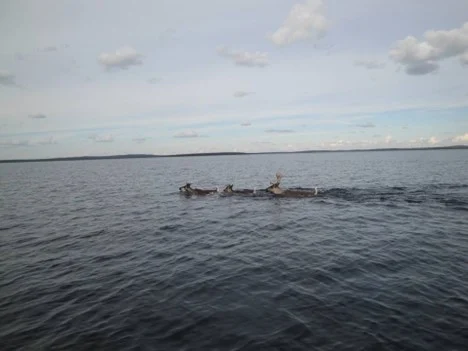
5 Saskatchewan
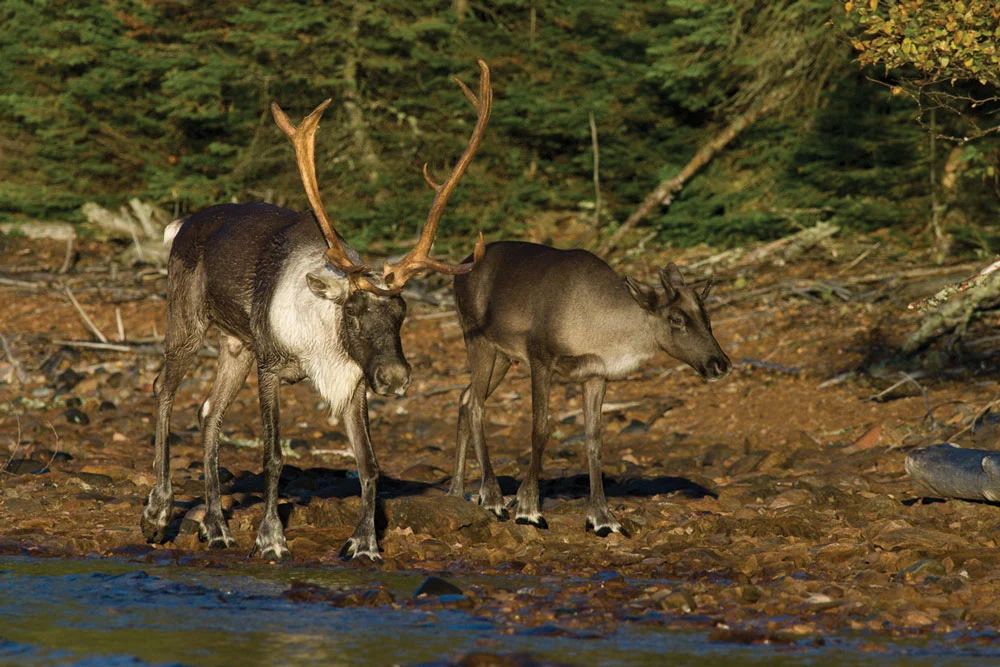
6 Manitoba
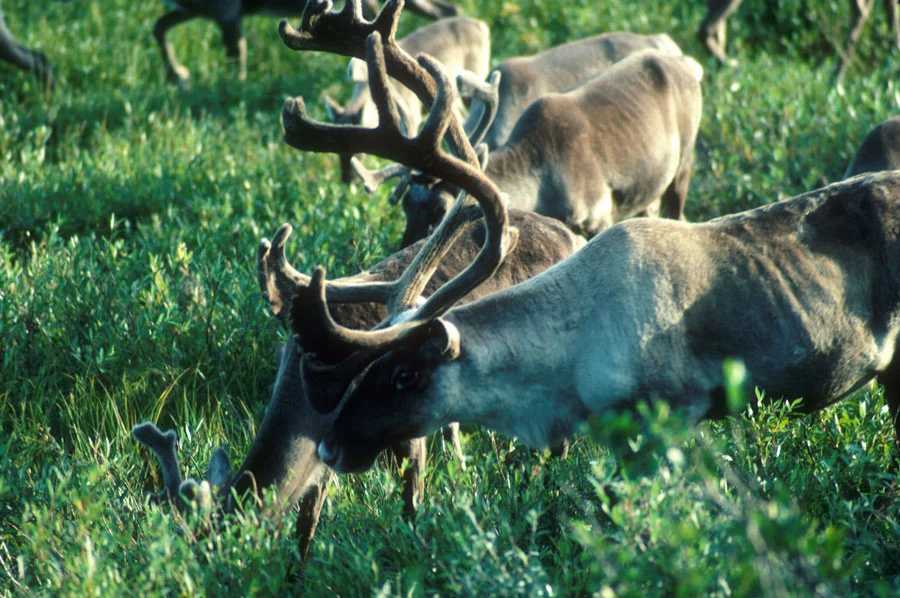
7 Ontario
8 Quebec
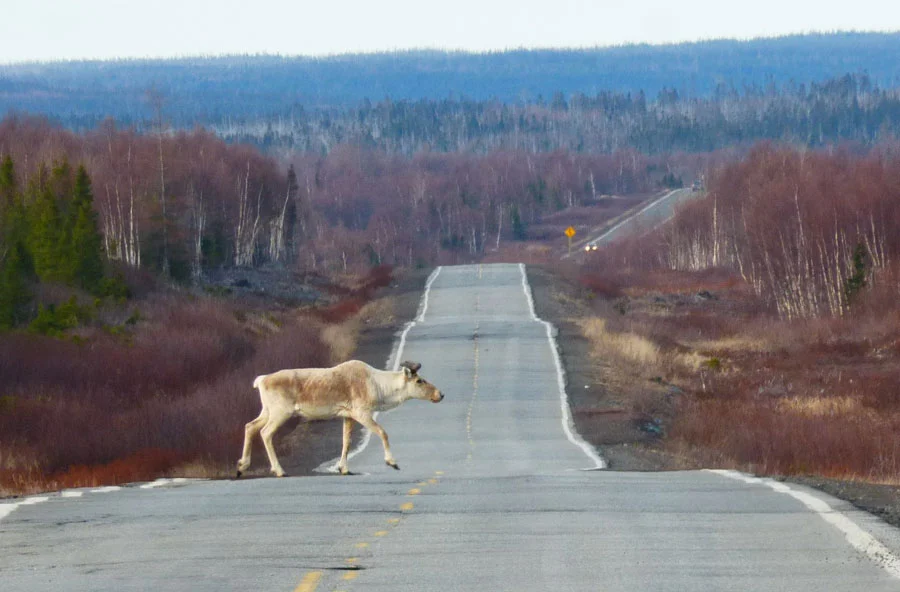
9 Newfoundland and Labrador
Latest news and updates about caribou
-
 Caribou, Wildlife
Your Cross-Canada Caribou Update – Part One
-
 Caribou, Wildlife
Canada’s Caribou: Treading in the Crosshairs of Politics and Economics


Be the first to know about the latest caribou updates and ways to take action
Subscribe to our newsletterStay connected to conservation happening in your area
Find your local CPAWS chapterRelated CPAWS Reports

On the Path to 2030
Canadian Parks and Wilderness Society | 2025
Read MoreAnnual reports on government’s efforts to conserve Canada’s boreal caribou
- A 2016 Overview: Another Slow Year for Boreal Woodland Caribou Conservation by Canadian Parks and Wilderness Society (2016)
- 2015 UPDATE: Boreal Woodland Caribou Conservation in Canada by Canadian Parks and Wilderness Society (2015)
- Looking for Action: Caribou losing ground by Canadian Parks and Wilderness Society (2014)
- POPULATION CRITICAL: How are Caribou Faring? by Canadian Parks and Wilderness Society & David Suzuki Foundation (2013)