Still Fighting for a Seat at the Table

Coasts and Ocean | Government and Policy | Indigenous-led Conservation
Indigenous Leadership at the UN Ocean Conference
In contrast to the internet conspiracy theories, it sometimes feels like the UN barely recognizes that Indigenous People exist, let alone that they’ve been playing a leading role in managing and protecting the coast and ocean the world over for generations.
Back in June 2022, we attended the 2nd United Nations Oceans Conference, a global gathering for all things ocean-related – from protecting coral reefs, to decarbonizing shipping, to supporting small-scale fishers. But one thing was glaringly absent from the formal agenda: Indigenous Peoples. Yes, a few Indigenous delegates were sprinkled across side panels and negotiating rooms — but more by accident than intention.
We decided to change that.
We made the epic, post-pandemic journey from the remote BC coast to bustling Lisbon, Portugal — a trip filled with layovers, masks, and more nasal swabs than we care to remember. Jet-lagged and running on coffee, we nervously watched the clock tick past 8:00 AM in a small hotel meeting room, wondering if anyone would show up to the space we carved out.
By 8:30 AM, it was standing room only.
One by one Indigenous leaders from around the world – BC, the Arctic, Labrador, Fiji, Hawaii, Australia, Chile, French Polynesia, Africa – filled the room with stories of resistance and strength. From the halls of power in the White House, to the Bighouses of BC, to the mangroves of the South Pacific, and everywhere in between, they shared their work, their wisdom, their hope, and their worries. Friendships were formed, connections were made, knowledge was exchanged.
Three years later, in June 2025, we decided to do it again. Bigger and bolder. With a bit more confidence and lots of excitement.
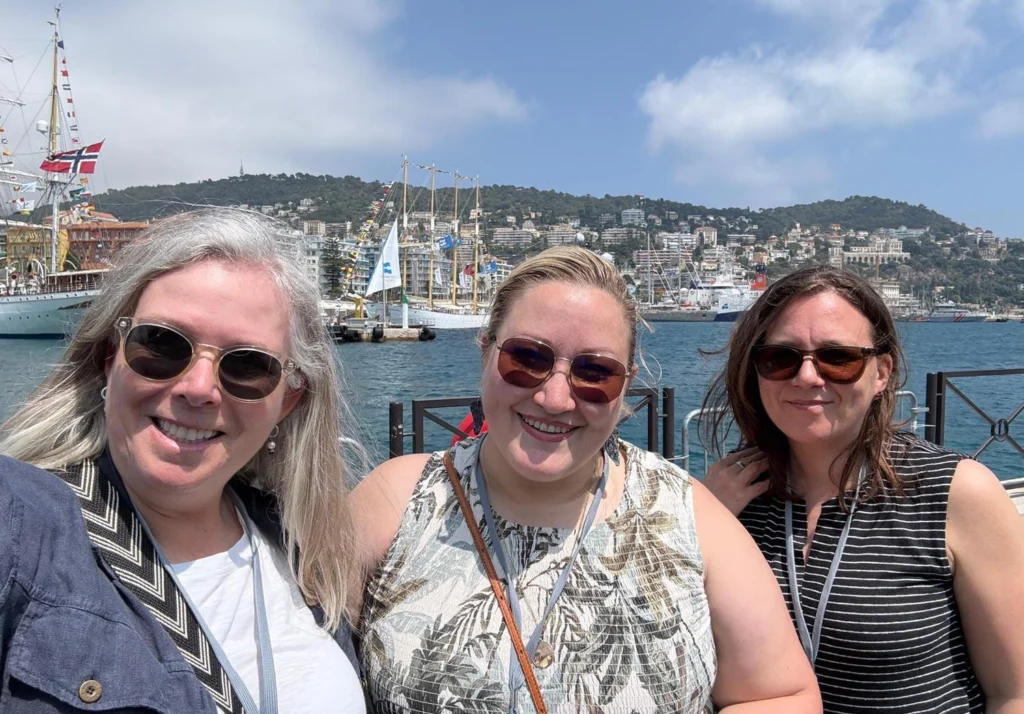
This time, we headed to Nice, France, for the 3rd United Nations Oceans Conference with help from our friends at the Assembly of First Nations, Nanwakolas Council, Unama’ki Institute of Natural Resources, Qikiqtani Inuit Association, and Nature United/TNC.
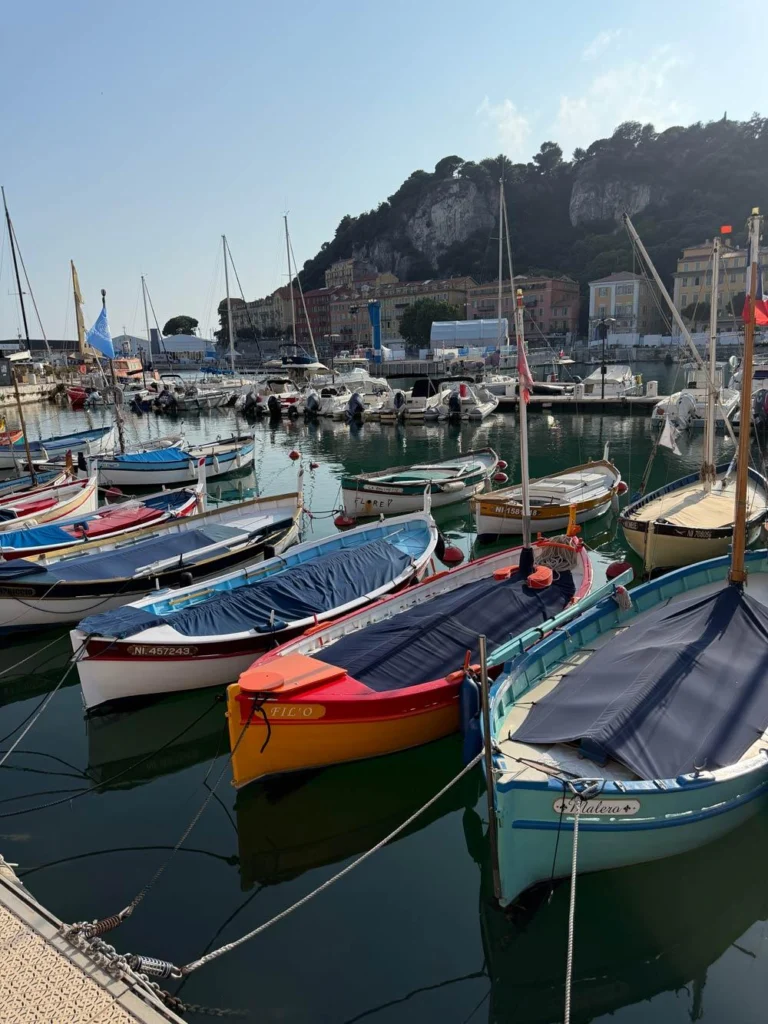
For two mornings, we took over the Nice Opera House, a grand yet worn old building, rich in colonial history but with no air conditioning. We had more than 100 people sign up for each day, far more than we could accommodate. It was an amazing, wonderful, exhausting experience.
Given the success in Lisbon and three years of leadership by Indigenous People in effective, grassroots conservation, we honestly thought we may have competition this time. But once again, this was the only event at the entire conference designed by and for Indigenous Peoples. The only space where their voices led. The only space that recognized that the solutions to our ocean crisis are already being lived, practiced, and passed on in Indigenous communities.
This should not be so.
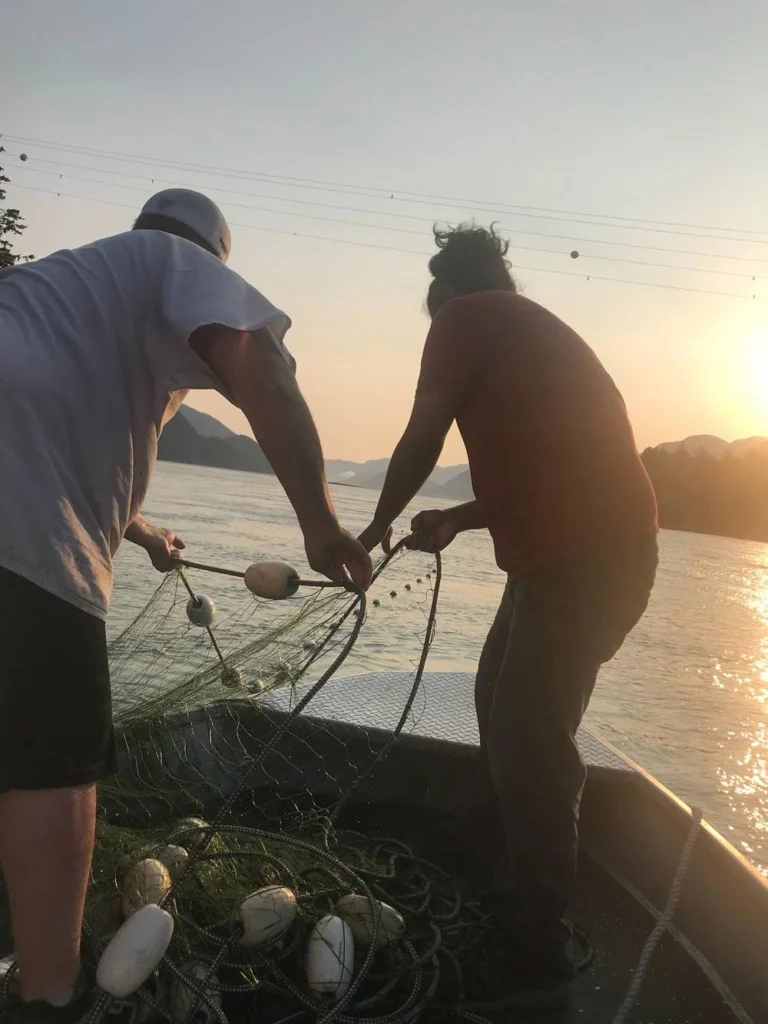
Indigenous communities directly impacted by the effects of climate change and sea level rise in real time are actively leading some of the most innovative and effective conservation projects the world over, fixing decades of damage from industrial activities like bottom trawling, oil and gas production and rampant development. They are rebuilding ecosystems and feeding communities by teaching traditional, sustainable harvesting methods.
And Indigenous Peoples are doing this while needing to constantly battle greedy corporations and clueless governments that want to pillage every last fish, mine the depths of the ocean, develop every inch of coastline for industrial ports or exclusive resorts, and turn the ocean into a noisy and polluted superhighway for tankers and container ships.
And, they are doing this while still being excluded from the global tables where ocean policy is decided. The irony is glaring. The people doing some of the world’s most effective conservation work are the ones left fighting for a seat at the table.
There are glimmers of hope. Canada’s official delegation included many Indigenous leaders, and the number of Indigenous attendees in Nice far surpassed those at Lisbon. We’re seeing progress — slow, incremental, but real.
Yet, there is much work still to be done. Organizations like CPAWS are honoured to play a critical role in supporting Indigenous leaders and helping to create space and opportunities for Indigenous leaders to connect and be heard at meetings and conferences. But this can’t just be a side event organized by NGOs.
The 5th International Marine Protected Area Congress, held in Vancouver in 2023, set a precedent for integrating and recognizing Indigenous leadership and values. Indigenous leadership was woven through all aspects of IMPAC5, from the planning committees to the program. There was dedicated space for Indigenous delegates to connect within the conference and a special Indigenous Caucus event.
That’s the model we need to carry forward.
As we look toward the next United Nations Ocean Conference, we hope it’s one where Indigenous Peoples don’t have to fight for their own space — because that space will already be there, acknowledged, respected, and centred.
Until then, we’ll keep showing up, speaking out, and bringing others with us.
We raise our hands and offer deep thanks to all who supported our event in Nice. You helped create something vital — and we’re just getting started.
Article written by:
Abúk Danielle Shaw
Elected Chief Councillor
Wuikinuxv Nation
Alex Barron
National Director, Ocean
CPAWS
Other stories you might be interested in:
-
 Coasts and Ocean
Breaching the Silence: speaking up for Canada’s whales
-
 Coasts and Ocean
Protecting our Coastal Way of Life
-
 Coasts and Ocean, Indigenous-led Conservation
CPAWS-BC celebrates the milestone announcement of the Mia-yaltwa Ha’lidzogm hoon
-
 Coasts and Ocean
On the Brink, Ocean Protection by 2030
-
 Coasts and Ocean, Government and Policy
Defend Our Pacific North Coast
-
 Coasts and Ocean, Government and Policy, Indigenous-led Conservation
CPAWS-BC stands with Coastal First Nations
-
 Climate Change, Coasts and Ocean
The Winds of Change: Fighting Climate Change Without Sacrificing Our Ocean
-
 Coasts and Ocean, Government and Policy
What Changes in Politics Mean for Nature and Conservation
-
 Coasts and Ocean, CPAWS News & Stories
Lost in Translation: Fishing Tales and Coastal Conversations Across Canada
-
Coasts and Ocean, Parks and Protected Areas
CPAWS welcomes joint call to action on ocean protection
-
Coasts and Ocean, Parks and Protected Areas
CPAWS welcomes pathway to protect 25% of ocean in Canada and stronger standards for marine protected areas
-
Coasts and Ocean, Parks and Protected Areas
CPAWS-BC Celebrates the Endorsement of the Marine Protected Area Network Action Plan Announced at IMPAC5
-
Coasts and Ocean, International
Canada kicks off IMPAC5 with a new National Marine Conservation Areas policy
-
Coasts and Ocean, International
Protection of the St. Lawrence: IMPAC5, a chance to make up for COP15
-
 Coasts and Ocean, Parks and Protected Areas
CPAWS partnering with the Government of Canada and IUCN for the 5th International Marine Protected Areas Congress
-
-
Coasts and Ocean, International
CPAWS to Co-Host World Leaders in Ocean Conservation
-
Coasts and Ocean, Parks and Protected Areas
Marine Protected Ares are helpful, MPA Networks are even better!
-
 Climate Change, Coasts and Ocean
101 Blog Series: Blue Carbon


