On the Brink, Ocean Protection by 2030

Coasts and Ocean
Why science says we must protect 30% of the ocean
Protecting 30% of Canada’s ocean by 2030 (30×30) is a bold but necessary step to safeguard nature, sustain fisheries, and support coastal communities. A strong body of evidence considers 30% to be the minimum ocean area to protect to prevent the collapse of the support system for all life on Earth.
Marine protected areas create space for ocean ecosystems to recover. The benefits are immense for marine life, our economy, and the well-being of all Canadians.
The goal is within reach, but with nature funding set to expire on March 31st of this year, the clock is ticking. If the government doesn’t renew its investment, our descendants will never know the benefits of a thriving, abundant ocean like we do today. We must act now.
Research shows that protecting at least 30% of the ocean is the minimum needed to restore habitats, rebuild fisheries, and maintain biodiversity. Protecting more of the ocean provides even greater benefits for ecosystem resilience.
Time is critical. Scientists warn that without immediate action to address biodiversity loss and climate change, we will reach a point-of-no-return within the next decade. Nature will break down faster, from rapidly melting polar ice, to slowing ocean currents and accelerating species extinctions.
Success depends on quality as much as quantity. Marine protected areas (MPAs) must be large enough, well-managed, and connected to other MPAs to deliver lasting benefits. Collaboration with Indigenous nations, coastal communities, and stakeholders is also essential.
Ocean protection in Canada is crucial
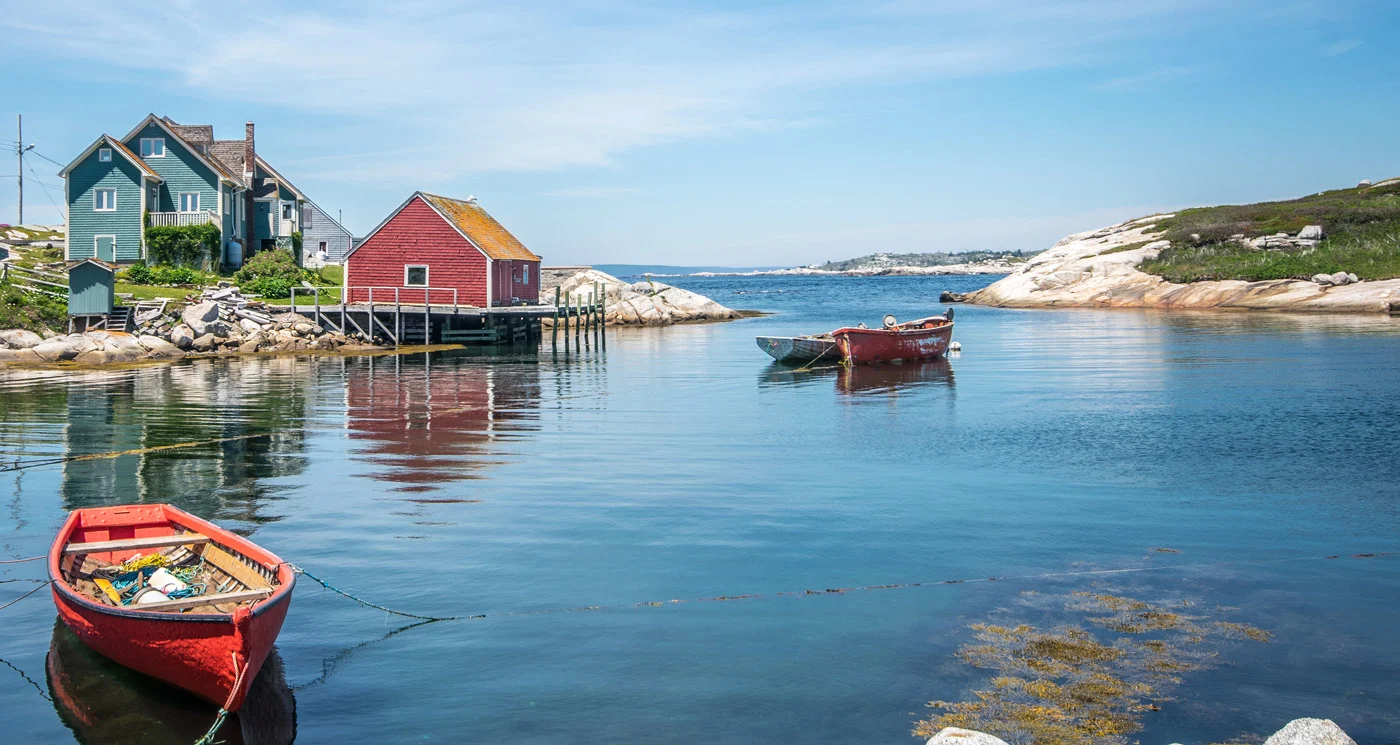
Today, overfishing and industrial activities, like commercial shipping and offshore oil and gas, threaten a system that supports fisheries and coastal economies, feeds communities, maintains a stable, livable climate, and shapes our Canadian identity. Unless we change course, we risk destroying the natural resources that generations of Canadians have relied upon. But it’s more than that; the threats facing the ocean are damaging the fabric of our life support system.
Ocean Snapshot
- Only 35% of Canadian fish stocks are considered healthy, while 16% are in the Critical Zone and nearing collapse.
- 87% of the world’s ocean has been disturbed by human activities like industrial fishing and shipping, and the impacts of human activities on the ocean are estimated to more than double by 2050.
- Industrial fishing covers over 55% of the ocean, which is four times the area affected by agriculture.
- The changes that these human impacts are creating, such as warming waters, increasing ocean acidity, and growing toxic algae blooms, are impacting important marine ecosystems in Canada,, including eelgrass and kelp beds. It’s also causing declines in fisheries productivity.
Ocean ecosystems are three-dimensional, interconnected, and harder to restore once damaged, unlike terrestrial ecosystems, which are more visible and easier to monitor and manage. Ocean ecosystems absorb more carbon and regulate global climate more effectively than land-based systems, making their protection critical for the health of the planet. When ocean areas are protected they are even more adaptable to climate change impacts and help build ecological resilience.
30% is not an arbitrary number
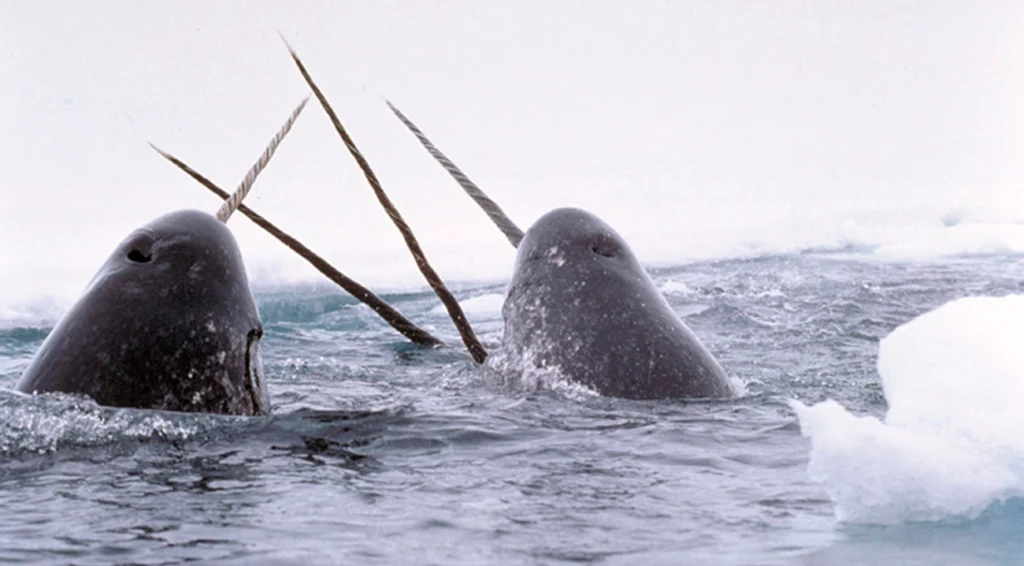
MPAs are safe havens for at-risk species, nursery grounds for baby fish, and help to revive fisheries, but only if they cover enough of the ocean.
Research shows that protecting 30% of the ocean increases the likelihood that juvenile fish will be transported by currents to another MPA, where their chances of survival and producing their own offspring are greatly improved. As their populations recover, they support local fishery economies. For example, in California, protecting 35% of coastal waters led to an incredible 225% increase in total lobster catch after only 6 years!
In the North Atlantic, well-designed MPA networks safeguarding 30-40% of the deep ocean could protect about 75% of species, like coral and sponges, that provide habitats for many other marine animals. Some studies show that upwards of 50% is needed to provide even greater ecological and economic outcomes.
Time is running out as 2030 closes in
Ocean ecosystems need time to recover, and the next decade is critical. The global community has established long‑term biodiversity goals through 2050. Canada met previous commitments, including protecting 10% of our ocean by 2020, but this was insufficient to counter ongoing ecological decline.
Canada then joined 196 countries in committing to the more ambitious 30×30 targets, which were meant to serve as a crucial milestone towards sustainability by 2050; however, marine protected areas do not work overnight.
It can take at least 15 years to see the strongest conservation successes in MPAs. For example, slow-growing species, like deep-sea corals, take only seconds to be destroyed by trawlers, but may need decades of protection to become valuable habitat for fish and other animals to thrive.
Ensuring long-term success of marine protected areas
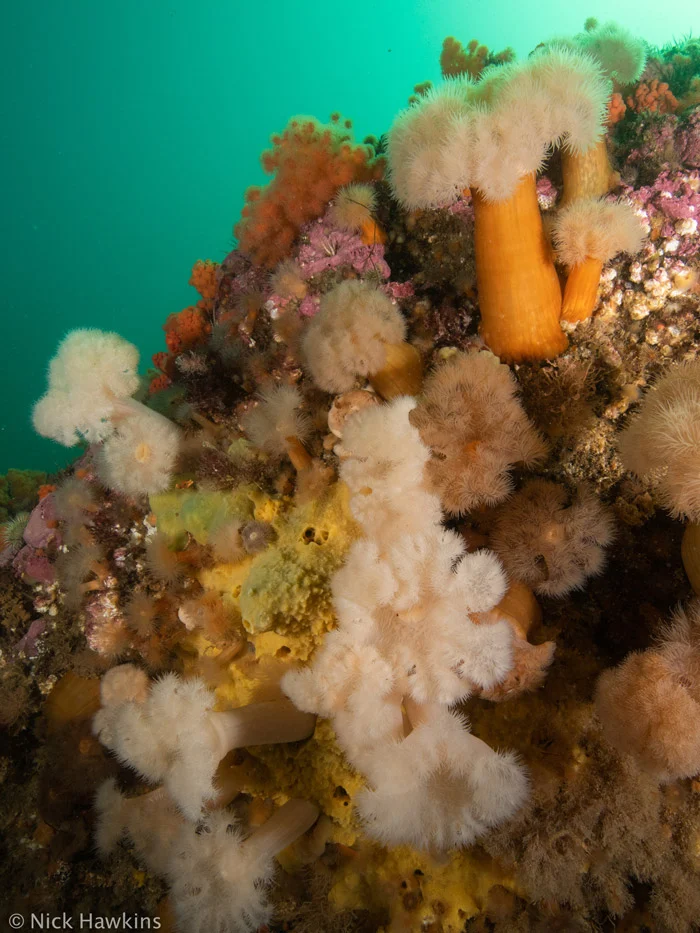
30×30 cannot only be about quantity, it must also be about quality. MPAs can only deliver lasting benefits when they are effectively designed, managed, and funded, working best when they are:
- Well-established, through the integration of science with local and Indigenous knowledge
- Large, with multiple sites forming a network over a region. This allows activities like fishing and shipping to continue in the surrounding unprotected areas while ensuring species can move between strongly protected MPAs
- Fully prohibiting damaging activities, such as industrial fishing and mining
- Well-funded to ensure that they are effectively managed
With these boxes checked off, ecosystems are set up to recover and thrive – but it will take time.
Why 30×30 matters
Marine ecosystems are under unprecedented pressure from industrial activity, climate change, and biodiversity loss.
There is a solution, but we must act now. Protecting 30% of Canada’s ocean by 2030 is science-based, achievable, and essential to ensure a sustainable future.
It is the minimum needed to ensure we continue to benefit from the services our ocean provides.
The evidence is clear: when we give nature the space to recover, the benefits ripple through ecosystems, economies, and communities.
Article written by:
Madie Stewart
National Manager, Ocean
CPAWS
Other articles you may be interested in:
-
 Coasts and Ocean
Breaching the Silence: speaking up for Canada’s whales
-
 Coasts and Ocean
Protecting our Coastal Way of Life
-
 Coasts and Ocean, Indigenous-led Conservation
CPAWS-BC celebrates the milestone announcement of the Mia-yaltwa Ha’lidzogm hoon
-
 Coasts and Ocean, Government and Policy
Defend Our Pacific North Coast
-
 Coasts and Ocean, Government and Policy, Indigenous-led Conservation
CPAWS-BC stands with Coastal First Nations
-
 Coasts and Ocean, Government and Policy, Indigenous-led Conservation
Still Fighting for a Seat at the Table
-
 Climate Change, Coasts and Ocean
The Winds of Change: Fighting Climate Change Without Sacrificing Our Ocean
-
 Coasts and Ocean, Government and Policy
What Changes in Politics Mean for Nature and Conservation
-
 Coasts and Ocean, CPAWS News & Stories
Lost in Translation: Fishing Tales and Coastal Conversations Across Canada
-
Coasts and Ocean, Parks and Protected Areas
CPAWS welcomes joint call to action on ocean protection
-
Coasts and Ocean, Parks and Protected Areas
CPAWS welcomes pathway to protect 25% of ocean in Canada and stronger standards for marine protected areas
-
Coasts and Ocean, Parks and Protected Areas
CPAWS-BC Celebrates the Endorsement of the Marine Protected Area Network Action Plan Announced at IMPAC5
-
Coasts and Ocean, International
Canada kicks off IMPAC5 with a new National Marine Conservation Areas policy
-
Coasts and Ocean, International
Protection of the St. Lawrence: IMPAC5, a chance to make up for COP15
-
 Coasts and Ocean, Parks and Protected Areas
CPAWS partnering with the Government of Canada and IUCN for the 5th International Marine Protected Areas Congress
-
-
Coasts and Ocean, International
CPAWS to Co-Host World Leaders in Ocean Conservation
-
Coasts and Ocean, Parks and Protected Areas
Marine Protected Ares are helpful, MPA Networks are even better!
-
 Climate Change, Coasts and Ocean
101 Blog Series: Blue Carbon


