Canada’s Protected Areas Generated $10.9 Billion in GDP, CPAWS Study Finds

Economy
Every $1 spent on protected and conserved areas generates $3.62 in visitor spending, driving GDP growth, jobs, income, and tax revenue.
Across the country, Canadians are feeling the squeeze as affordability issues persist and the need for economic growth takes center stage. Amid today’s challenges, a new study from Canadian Parks and Wilderness Society (CPAWS) shows that protected and conserved areas can unlock economic opportunities nationwide.
Our supporters have been relentless in reminding the government that Canadians shouldn’t have to choose between the environment and federal bottom line. Now, our new peer-reviewed research adds evidence to strengthen our shared rationale: when nature thrives, the social and economic benefits are inarguable.
CPAWS’ report reframes how Canadians understand the value of nature, not only as something to protect, but as a public asset that could be one of the country’s strongest long-term investments.
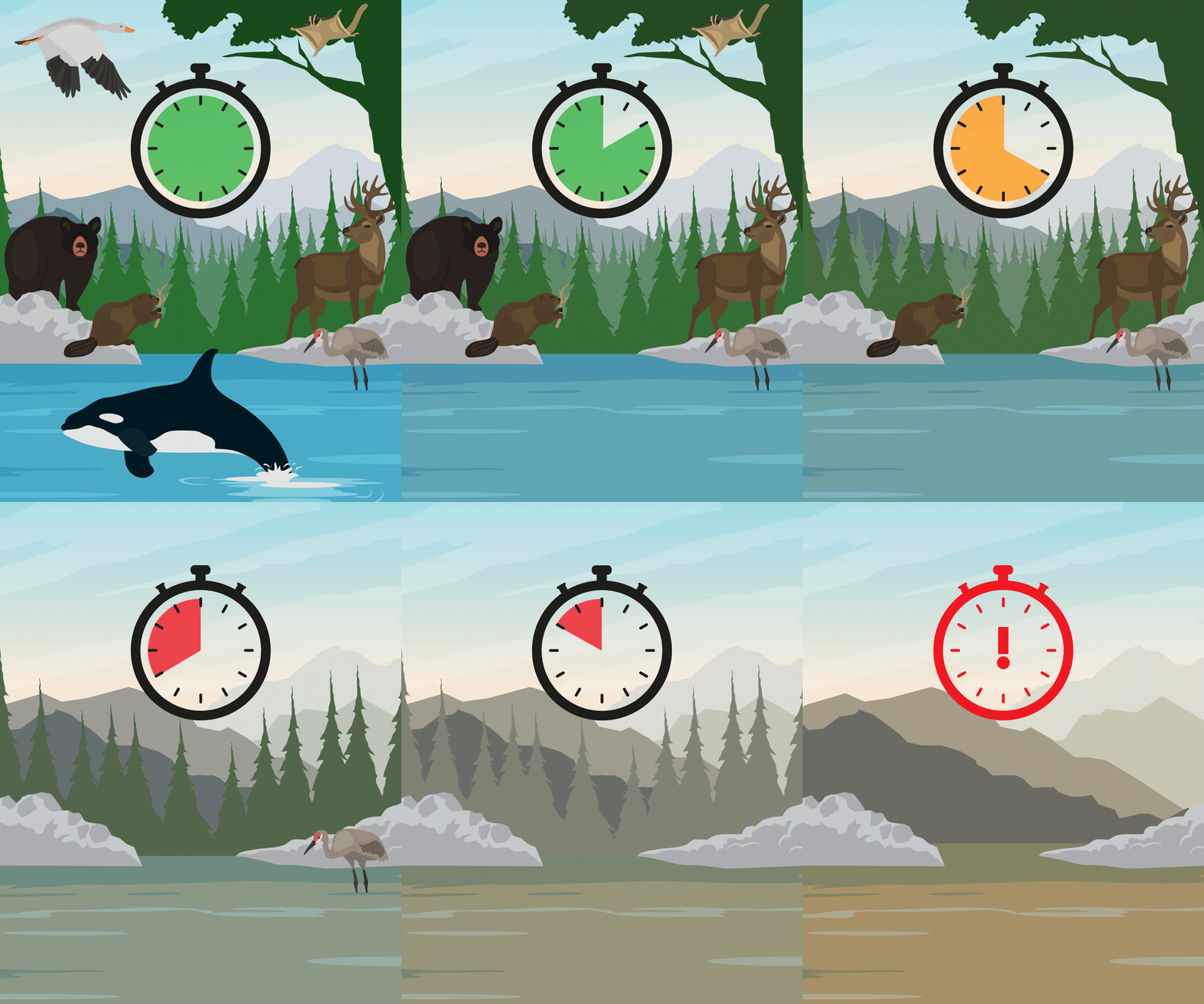
The clock is ticking.
Funding for crucial conservation projects expires on March 31.
The report demonstrates that government investment in nature is a strong economic strategy that also benefits the environment, communities and our overall well-being.
Fact: In 2023–24, every $1 spent by governments and non-profits in protected and conserved areas (PCAs) generated $3.62 in visitor spending.
Outcome: Visitor-driven economic activity contributed $10.9 billion to Canada’s GDP.
- 150,000 jobs
- $6.6 billion in labour income
- $1.4 billion return in tax revenue to governments through direct, indirect and induced impacts
- Contributed up to 1.6% of rural GDP nationally.
Most PCAs are located in rural and remote regions. This economic activity plays an outsized role in supporting local economies, providing stable employment, and diversifying regional economic bases.
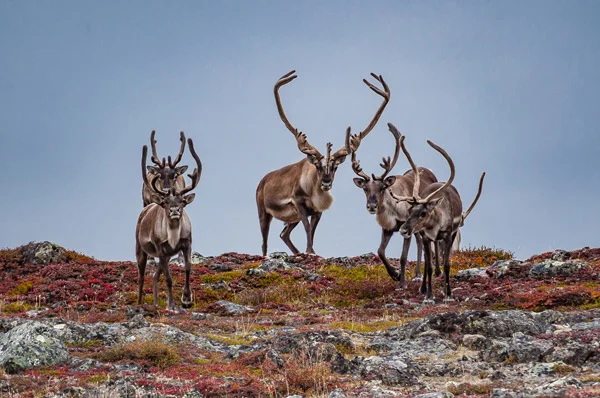
Looking back over 15 years, the analysis shows that as public spending in protected parks increased by roughly 50%, tax revenues grew by up to 250%, alongside strong gains in GDP and labour income. The findings demonstrate that returns on investment in nature are persistent and long-term, continuing to accrue year after year as protected areas mature.
This analysis helps put a value on something that has long been taken for granted. Nature’s worth is infinite, but when you focus primarily on what we can quantify, the economic returns from protected and conserved areas are striking. This report shows that nature is already delivering real, sustained value to Canada’s economy, whether we account for it or not.
– Jason Wong, CPAWS Economic Analyst, lead author of the report
The research also highlights the enormous climate value of PCAs, which store immense amounts of carbon in the earth—the equivalent of emissions from 57.8 billion cars annually. In keeping this carbon out of the atmosphere, these areas hold $51.1 trillion worth of potential economic damages globally, reinforcing that PCAs function not only as environmental protection, but as both economic and climate infrastructure.
Canada has many PCAs that are in the early stages of establishment, meaning their full economic and fiscal benefits have yet to be realized. As these areas progress, and with stronger management and investment, the research suggests Canada’s returns from conservation are likely underrepresented in today’s figures. With federal public investment in nature set to expire on March 31, the report provides timely evidence that renewing this funding would be a sound and strategic investment.
Beyond economics, the white paper documents how protected areas strengthen the social fabric of communities, drawing on case studies from Gros Morne National Park, the Great Bear Rainforest, and the Saguenay–St. Lawrence Marine Park to show how conservation strengthens long-term community stability and local economies. The analysis also points to growing evidence of the health and well-being benefits linked to visiting PCAs, alongside Indigenous-led governance models that support economic opportunity, stewardship, and reconciliation.
As the federal government prepares to advance its national Nature Plan, this research makes clear that conservation needs to be treated as a core pillar of economic and nation-building policy, rather than an afterthought. Canada is already generating enormous value from nature, but much of that value remains invisible in how we make decisions. Once it’s acknowledged, protecting land and ocean stops looking like a trade-off and starts looking like common sense.
– Chris Rider, CPAWS National Director, Conservation.
The report, Widely Enjoyed but Inadequately Valued, was prepared by CPAWS and peer-reviewed by leading economists and policy experts.
Media Contact:
Jayney Davidson
Yulu PR
[email protected]
###
About the Report
Widely Enjoyed but Inadequately Valued: Understanding the Economic, Environmental, and Health Benefits of Canada’s Protected and Conserved Areas was prepared by CPAWS. Peer reviewers include the C.D. Howe Institute, Simon Fraser University, and experts in conservation and economics.
Full Report will be published on cpaws.org this spring.
The Clock is Ticking
Nature funding expires Mar. 31, halting critical work. Your voice can help.
Other articles you may be interested in
-
 Economy, Government and Policy
CPAWS In the News
-
 Economy, Government and Policy
Addressing the Natural Infrastructure Policy Gap is Crucial to Nation-Building Success
-
 Economy, Government and Policy
Statement: Nature Benched in Budget 2025
-
 Economy, Government and Policy
Statement: Federal Audit shows we can protect 30% of nature by 2030, so why is the federal government hitting the brakes?
-
 Economy, Government and Policy
Nature on the federal balance sheet: Time to stop funding the problem


