Breaching the Silence: speaking up for Canada’s whales
Coasts and Ocean
The fate of these whales is in our hands
When most people picture a whale’s life, they imagine a gentle giant swimming in a serene sea. For most whales in Canada, the reality is far busier and more dangerous. They dodge fishing gear, cope with loud industrial noise underwater, and have to swim further to find food while sharing their home with increasingly heavy vessel traffic.
Over 50% of Canada’s whales are at risk. That number is likely to go up as the Canadian government creates new legislation to bypass environmental regulations and increases industrial use of our coastlines and oceans. Canada needs stronger ocean protections to keep vulnerable areas from becoming tanker highways.
At the end of September, the federal government took a step towards protection of Canada’s whales with the announcement of renewed funding for ocean management measures. This includes funding for oil spill response and ocean noise monitoring, among others. While it is important to counteract the negative impacts of industrial activities, we also need measures that protect habitats from all threats and allow whales to thrive, not just survive. Speak up now.

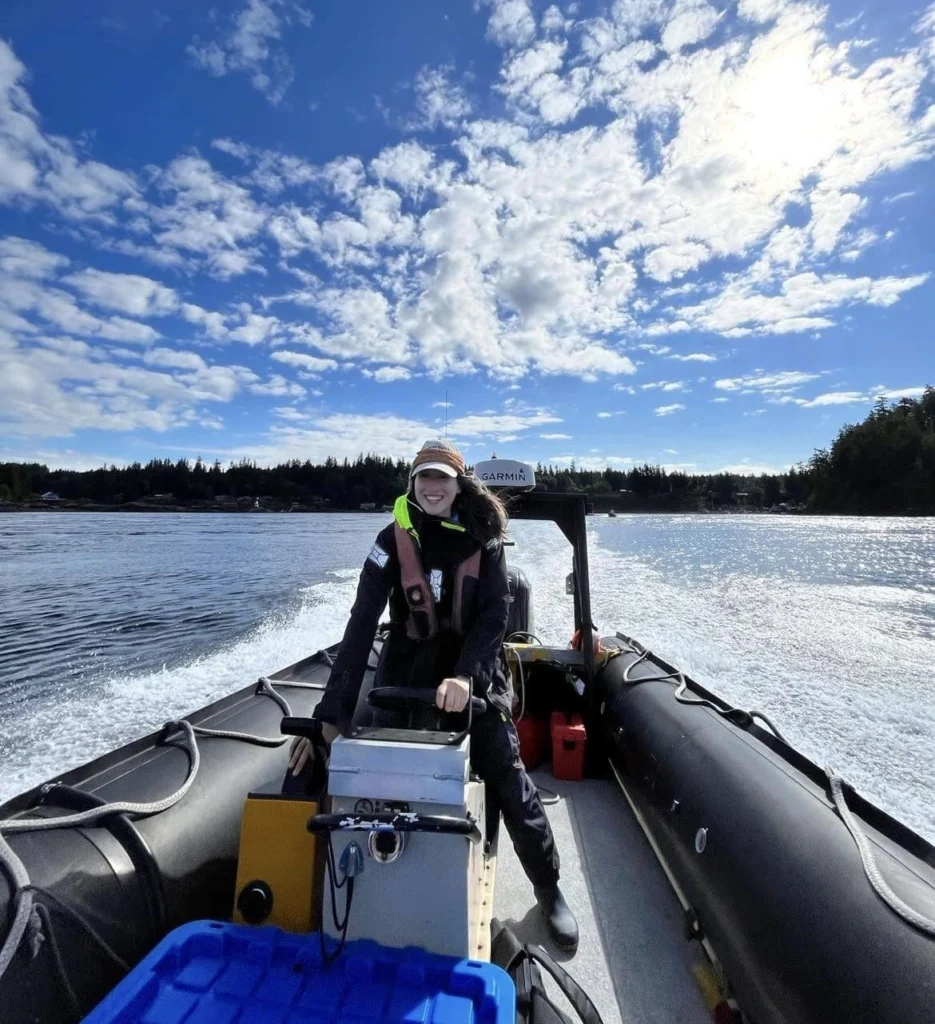
Hi, I’m Alex and I’m the national conservation coordinator for the ocean program. Before working at CPAWS, I worked in whale conservation. From the west coast to the east coast, from a boat to a desk, I learned that whales need space to feed, socialize, nurse, sleep, play and sing. They especially need safe spaces.
This past June, I attended the “Whales are in our Nature” workshop series in Ottawa to learn from experts such as Indigenous guardians and harvesters, environmental advocates, and government staff about how to better protect whales in Canada with the impeding environmental regulation cuts.
At the workshops, one message became clear: effective whale conservation depends not only on having more funding, but also on directing that funding toward long-term, holistic work.
- More funding – Multi-year funding is essential for work that upholds Two-Eyed Seeing and meaningfully involves Indigenous Nations.
- The right kind of funding – Monitoring has value, but there’s no point in listening to whales go extinct. Canada must fund actions that directly protect species, such as properly supported guardian programs.
Healthy whale populations matter
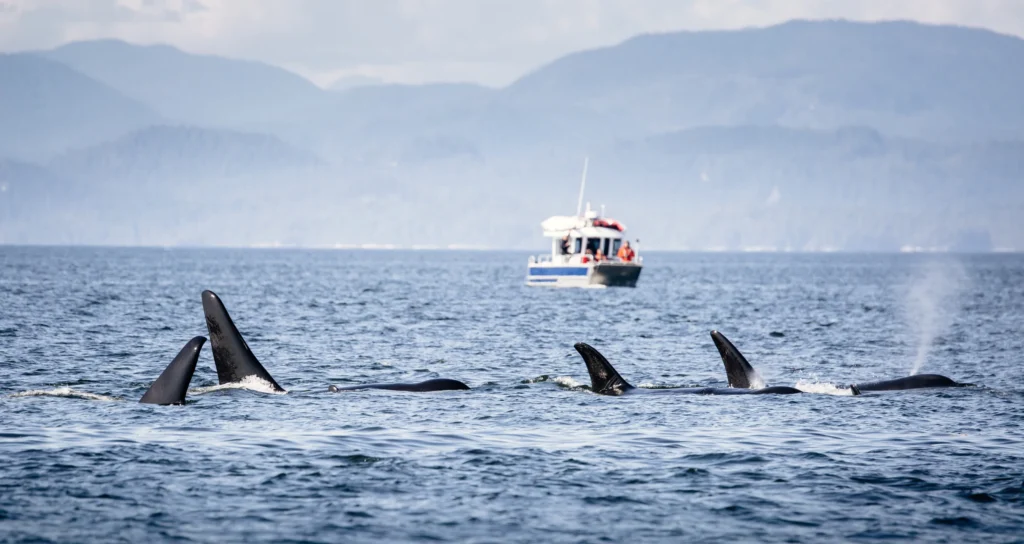
Healthy whale populations matter because protecting whales also protects the ecosystems and communities connected to them.
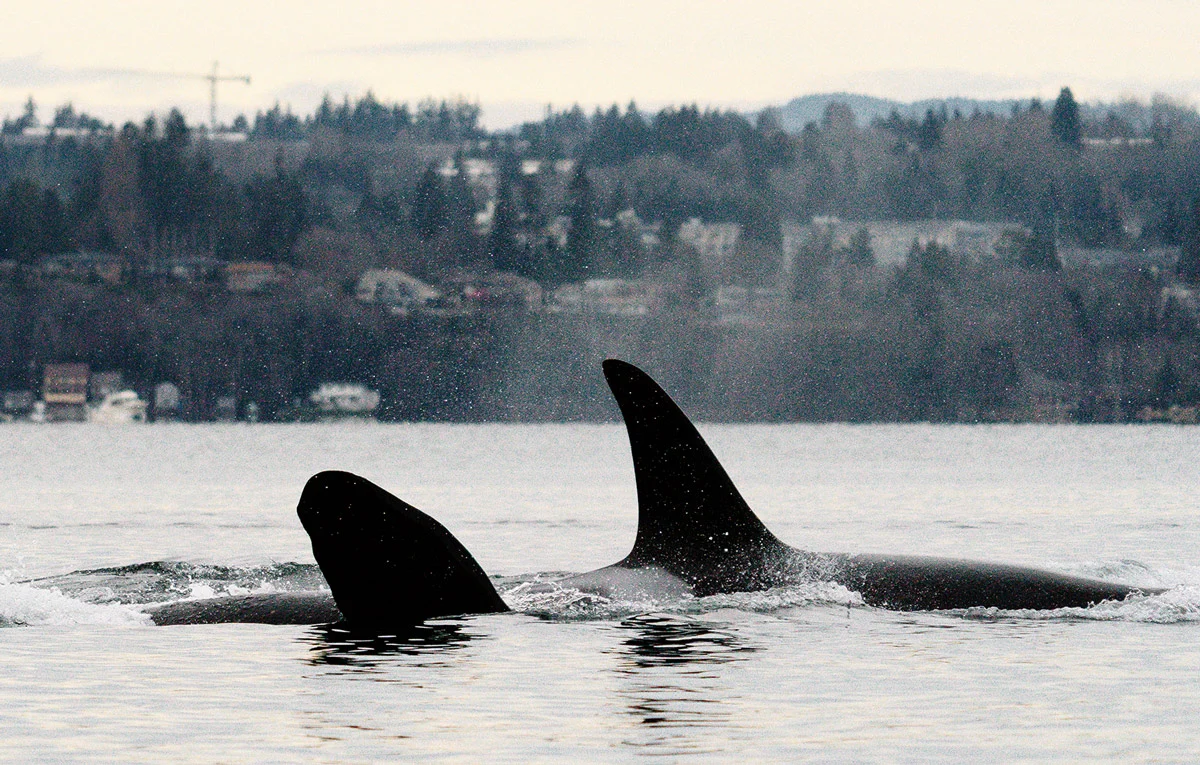
In British Columbia, the Southern Resident killer whales are considered an umbrella species because protecting them and their habitat also benefits other animals and helps create a healthier marine environment. On the East coast, North Atlantic right whales are culturally important for Mi’kmaq, Passamaquoddy, and Maliseet Nations as well as being ecologically significant because they maintain a healthy ecosystem.
- Whales hold ecological value. Whales cycle nutrients across the ocean by feeding at different depths and then releasing their nutrient-rich feces at the surface. Phytoplankton then use those nutrients to photosynthesize, thereby removing carbon dioxide from the atmosphere and creating oxygen.
- Whales hold cultural value. Some First Nations see whales as kin and some Indigenous communities rely on whale harvesting for sustenance. Many Canadians have created communities centered around their love of whales.
- Whales hold economic value. Ecotourism and whale watching are economically important for many coastal communities.
- Whales hold value. They are part of our coast, our cultures and our communities.
A patchwork of protection is not enough
Canada currently relies on a patchwork of measures to reduce specific threats to endangered species like Southern Resident killer whales and North Atlantic right whales. These include slow-down zones to reduce the risk of vessel strikes or dynamic fishing closures to reduce the risk of entanglements in fishing gear.
Because these measures are narrowly focused on one species or threat, they don’t fully protect the rest of the ecosystem and the habitats the whales need to survive and recover. By protecting critical habitats for whales, plenty of other marine life, including other whales and fish species, can be protected as well.
Marine protected areas allow whales to thrive in an ocean that is otherwise busy with industrial activities.
Some of these safe spaces for whales already exist. The Gully Marine Protected Area, established in 2004 off the coast of Nova Scotia, has helped the recovery of the endangered Northern bottlenose whale population by reducing vessel traffic and commercial fishing in the area.
While other sites, like the ones below, still need your support. These proposed sites will protect whales and their habitat across the country once they are fully established.
Saguenay- St. Lawrence Marine Park Expansion
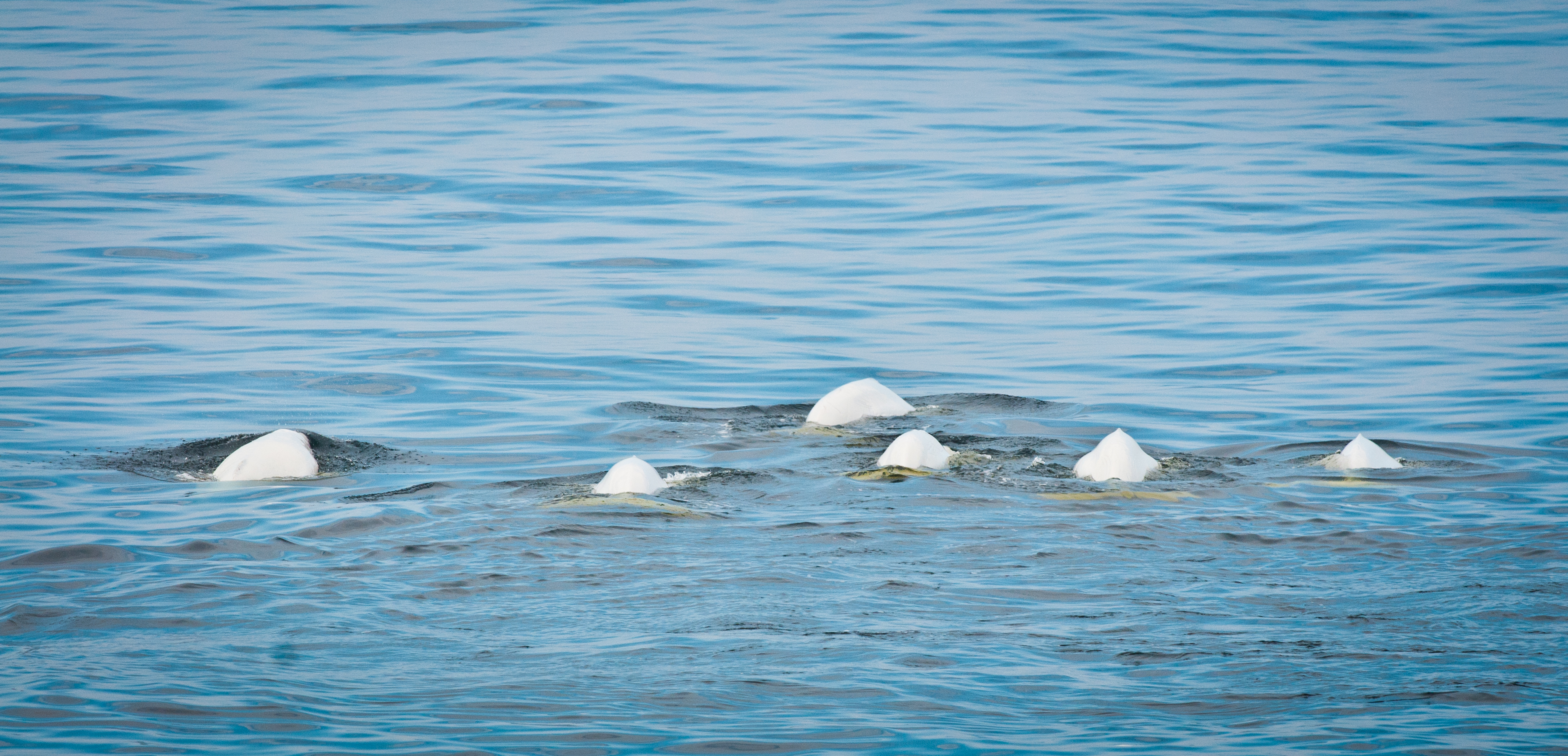
- The proposed Port of Montreal expansion in Contrecœur would increase vessel traffic in the St. Lawrence River, threatening endangered species including St. Lawrence Estuary belugas.
- SSLMP Expansion will almost quadruple the area of the original Marine Park while encompassing the entirety of the critical summer habitat of the St. Lawrence Estuary beluga population. More communities will benefit from this expansion through tourism, and it will protect even more species and different coastal habitats.
Proposed Southern Strait of Georgia National Marine Conservation Area
- As the first Major Project designated of national interest, the Pacific Link pipeline will be fast-tracked through environmental assessments. Combined with the Roberts Bank Terminal expansion, the significant increase in tanker traffic in the Salish Sea will threaten orcas and other marine life.
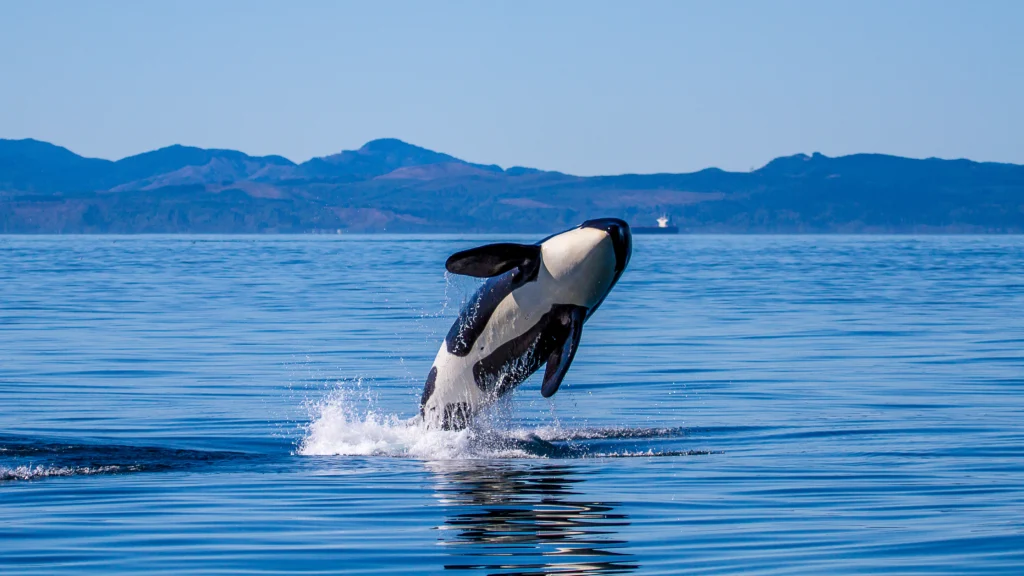
- Only 75 Southern Resident killer whales remain, and they need their critical habitat to be protected. The Southern Strait of Georgia NMCA would safeguard an incredibly productive ocean ecosystem which is home to the Southern Resident killer whales and thousands of other marine species.
Proposed Western Hudson Bay National Marine Conservation Area
- Port of Churchill Plus has been referred to the Major Projects Office which would increase vessel traffic so it would increase threats to marine life in the area.
- Churchill is known for being a tourism hotspot for polar bears, belugas, and birds. The Western Hudson Bay NMCA is crucial to protect this sensitive Arctic habitat and provide a healthy environment for wildlife and the Town of Churchill to thrive.
The purpose (or should I say porpoise) of many marine protected areas is to safeguard critical whale habitat, but like national parks on land, MPAs must be properly funded and managed. With this recent investment of $1.2 billion, as well as this spring’s investment of $258.1 million over 5 years, we are seeing some progress in protecting whales. But at the same time, new legislation like Bill C-5 and Bill C-39 are allowing major projects to increase threats to whales and other marine life. Canada needs more well-funded MPAs to protect whales, not “Band-Aid” management measures and cuts to environmental regulations.
Will you leave their fate up to chance or will you speak up for whales?