
Climate Change
Photo: Polar bears in Hudson Bay, Northern Manitoba by Danita Delimont
The impacts of climate change pose serious threats to the survival of the natural world and our ways of life.
Canadians must act now in order to preserve our planet, our collective well-bring and our livelihoods.
Definitions
All the different living things in an area, including genes, animals, plants, ecological processes, and ecosystems. Their survival on all scales is essential to our existence.
A long-term shift in the average weather conditions of a region, such as its typical temperature, rainfall and windiness. Climate change means the range of conditions expected in many regions will change over the coming decades. This means that there will also be changes in extreme conditions. Current climate change is mainly caused by human activities that release greenhouse gases into the atmosphere. (Government of Canada)
A culturally sensitive area refers to a geographic region that holds cultural, historical, or spiritual importance to a specific group of people, often Indigenous communities. Conservation efforts in these regions must take into account local traditions, beliefs, and practices.
An environment where living beings (such as animals, plants, and microorganisms) and non-living things create an interconnected, complex system. Ecosystems and the organisms in them are always changing and adapting. Their delicate balance can be disrupted through pollutants, species loss and environmental damage. (The Canadian Encyclopedia, Government of Canada)
Strategies that address climate change mitigation and adaptation, while also providing benefits for nature, biodiversity and people. Examples include actions like protection, restoration and better management of living resources. Increasingly, experts are coming to the consensus that of these solutions, effectively designed and managed protected areas offer the highest total value per hectare.
A legally binding international treaty on climate change. It was adopted by 196 Parties at the UN Climate Change Conference (COP21) in 2015 and entered into force in 2016. Its goal is to prevent increases in global average temperature to <2°C above pre-industrial levels, ideally within 1.5°C.
Working to protect Canadian landscapes
We’ve all heard about—and to varying degrees, experienced firsthand—the impact of intensified heatwaves, storms, and rising sea levels on our communities and around the world. Here in Canada, global warming and extreme weather pose a particular threat. Over 30% of Canadian species are at risk, and the loss of plants and animals can lead to permanent harm of ecosystems that can protect us from natural disasters. Plus, many of these areas hold cultural importance, and are the backdrop for activities like fishing, tourism and camping.
With over 60 years of experience protecting nature, CPAWS understands that safeguarding wild spaces is one of the most powerful responses to climate change. We advocate for governments to protect natural spaces that help reduce carbon emissions and protect vital species. This work can protect Canadian landscapes, now and forever, but only if we work together.
Protected areas: One solution for multiple threats
Nature in Canada faces the dual crises of climate change and species loss. Changing temperatures and extreme weather put the survival of plants and animals at risk. When this happens, ecosystems and food chains fall out of balance and can collapse entirely. When natural environments are disrupted, they cannot store climate-changing carbon as effectively, allowing further climate effects to accelerate and cause further damage.
Thankfully, the solution to these two threats is also interconnected. Canada’s remaining boreal and temperate forests, peatlands, grasslands, and marine ecosystems are scientifically proven to be highly effective at absorbing and storing greenhouse gases. Protecting these powerhouse carbon-dense environments is a cost-effective solution that:
- Increases the resilience of ecosystems
- Preserves biodiversity and protects plant and animal life
- Avoids carbon emissions
- Contributes to reconciliation by protecting culturally significant areas and species
- Contributes to human well-being in other ways like filtering water, making oxygen and ensuring food security
By protecting these environments from harmful industrial activities and further damage, we create safe areas for wildlife to live, while helping to stabilize our climate so we can all continue to benefit from nature. In short, protected spaces provide us with a true nature-based solution to climate change. It’s scientifically proven that these natural spaces can store carbon for us, but only if we help them survive and thrive.
Current progress on climate commitments
Canadian governments at all levels have pledged to both reduce the polluting gases that cause climate change, and step up protections for plant and animal habitat protection. If the federal government meets its climate commitments under the 2015 UN Paris Agreement, Canada’s ecosystems will have a chance to recover and reduce the effects of climate change.
Ensuring that we meet—and ideally, surpass—those commitments is core to CPAWS’ work. It’s a goal that builds on our decades of advocating, informing, and facilitating long-term government protection of natural spaces from harmful activities. With the support of our members, partners, and communities across Canada, we’re not letting up. We owe it to our future, and to those who will come after us.
Take action to tackle climate change
Join us in the fight to secure a healthy climate for all living things across Canada. Every letter, donation and share helps move the needle towards change.

Tell government officials that nature protection is nation-building

Help Us Fight For A Coal Free Future In Alberta
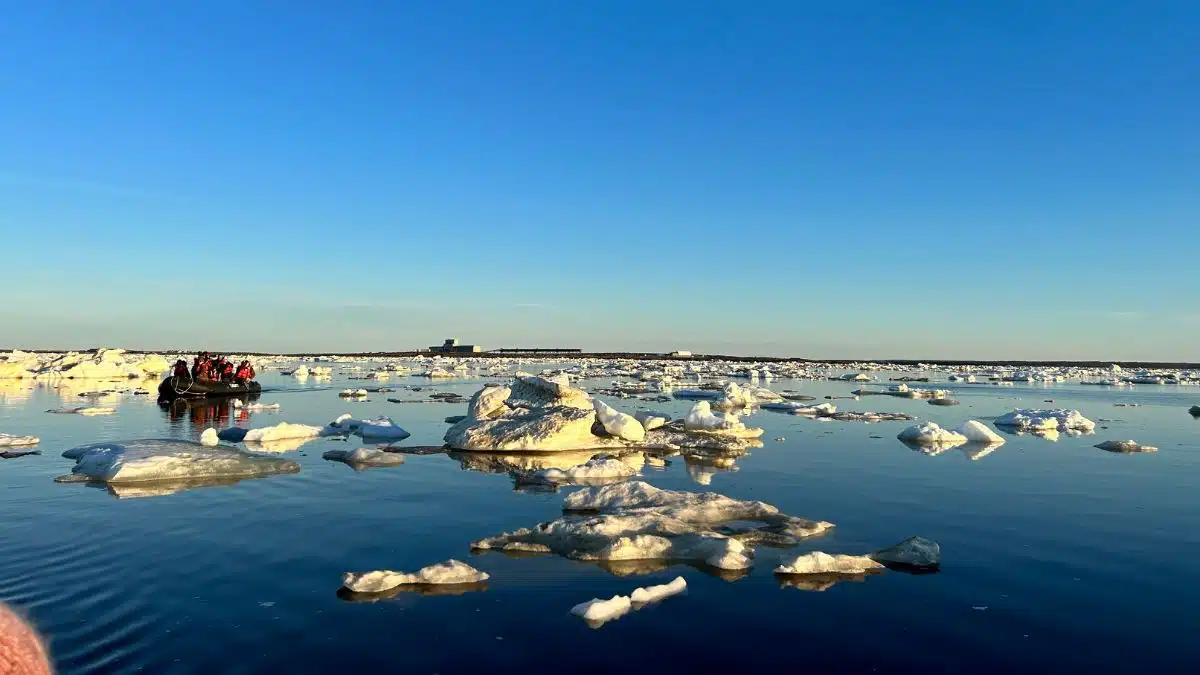
Help Protect Hudson Bay

Show your support for the Great Bear Sea Marine Protected Area Network!
Towards a healthy future, together
Partnering with Indigenous leadership
Since time immemorial, Indigenous Peoples have been stewards of the lands and waters in Canada. Harmful past practices of displacing Indigenous Peoples from their lands in the name of protecting nature has been replaced by a new paradigm, where Indigenous leadership, knowledge and practices are essential to climate solutions. This is the way forward. What’s more, placing land-use decisions in their hands supports Indigenous livelihoods and food security, and advances reconciliation and Indigenous sovereignty.
Across the country, CPAWS is partnering with Indigenous organizations and communities to support and advocate for Indigenous-led conservation initiatives. By moving forward hand in hand, we’re on a better path to fighting climate change and protecting the lands and waters we call home.
Protected areas are a climate solution
In the short term, protected areas block harmful industrial activities from polluting or causing permanent damage. They create habitat and refuge areas for species to thrive, or recover from the effects of extreme weather.
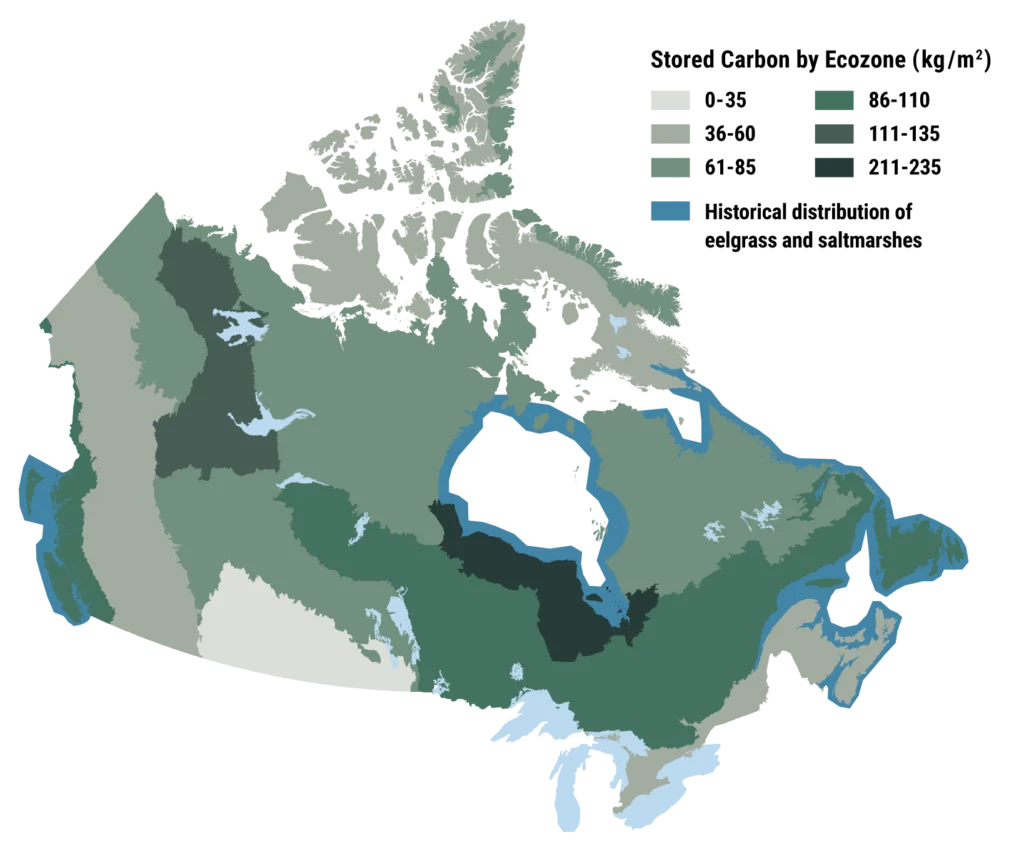
Caption: Canada has some of the most important carbon-dense ecosystems in the world. Protecting these areas is our global responsibility. Source: CPAWS infographic, “The Best-Kept Secret for Climate Action”
In the long term, protected areas, including forests, grasslands, wetlands, and marine environments, remove carbon dioxide from the air and store it in the soil, vegetation or seabed, so it cannot contribute to further warming. Research shows that safeguarding these areas will result in significant improvements in reducing greenhouse gases.
Here’s the impact that protected areas can have, by the numbers:
- The Hudson Bay Lowlands, the second largest intact peatland area in the world, captured 11% of Canada’s total emissions in 2020, and prevented the release of 30 gigatons of stored carbon.
- Protecting 900 km2 per year of old-growth forests in Canada would capture 5 to 6% of Canada’s carbon reduction target.
- Protecting the remaining native Prairie grasslands in Canada (12,700 km2) would remove another 0.7 to 0.8% of the carbon that Canada has committed to reducing.
Protecting nature creates a chain reaction of positive impacts. From saving plants and animals, to upholding our traditions and growing our economies, to meeting Canada’s climate commitments on the global stage. Alongside our partners, we’ve outlined a clear solution—we just need decision-makers to put them into action.
CPAWS’ approach to climate action
Our climate policy recommendations
Most carbon-dense ecosystems in Canada remain unprotected: a major missed opportunity to take climate action. CPAWS has developed several policy recommendations to help Canada to realize the full potential of protected areas in our climate strategy.
Our focus is on ensuring the effective protection of carbon-dense ecosystems while also respecting Indigenous rights and contributing to broader climate and biodiversity goals. Along the way, we also make sure that natural resource industries and nature-based leisure activities remain supported.
Priorities for government action
- Recognize the value of protected areas as nature-based climate solutions in climate policy and legislation.
- Identify and protect key land, freshwater and ocean ecosystems that have high carbon and biodiversity value.
- Ensure adequate, long-term funding and support for Indigenous-led conservation initiatives.
For more detail, read our policy brief, Leveraging Protected Areas for Climate Action.
How CPAWS is taking action
Our work protecting parks, the ocean and wildlife are all in service of creating a livable planet where we can all thrive. Our ongoing work involves:
- Helping create new protected areas: We take part in every step of creating protected areas, from initial assessments to developing laws. CPAWS brings 60+ years of experience collaborating with industry, local residents and governments to build policies that create long-term support for nature.
- Defending and improving existing protected areas: The work doesn’t end once we’ve helped establish new protected lands and waters. Just as important is making sure these areas work effectively, and improving quality standards. Alongside our local chapters, we help monitor these areas and advocate for better minimum protections.
- Supporting climate advocacy: We solicit help from researchers like Dr. Risa B. Smith, whose report “Protected Areas as a Nature-Based Climate Solution” advances the role of nature-based climate solutions (NBCS) as a way to mitigate climate change. We also create policy recommendations to government, and help everyday Canadians take action and make sure their voices are heard.
For more detail about what we do and other ways to get involved, see our work in Land and Freshwater, Coasts and Ocean and Wildlife.
News & updates
-
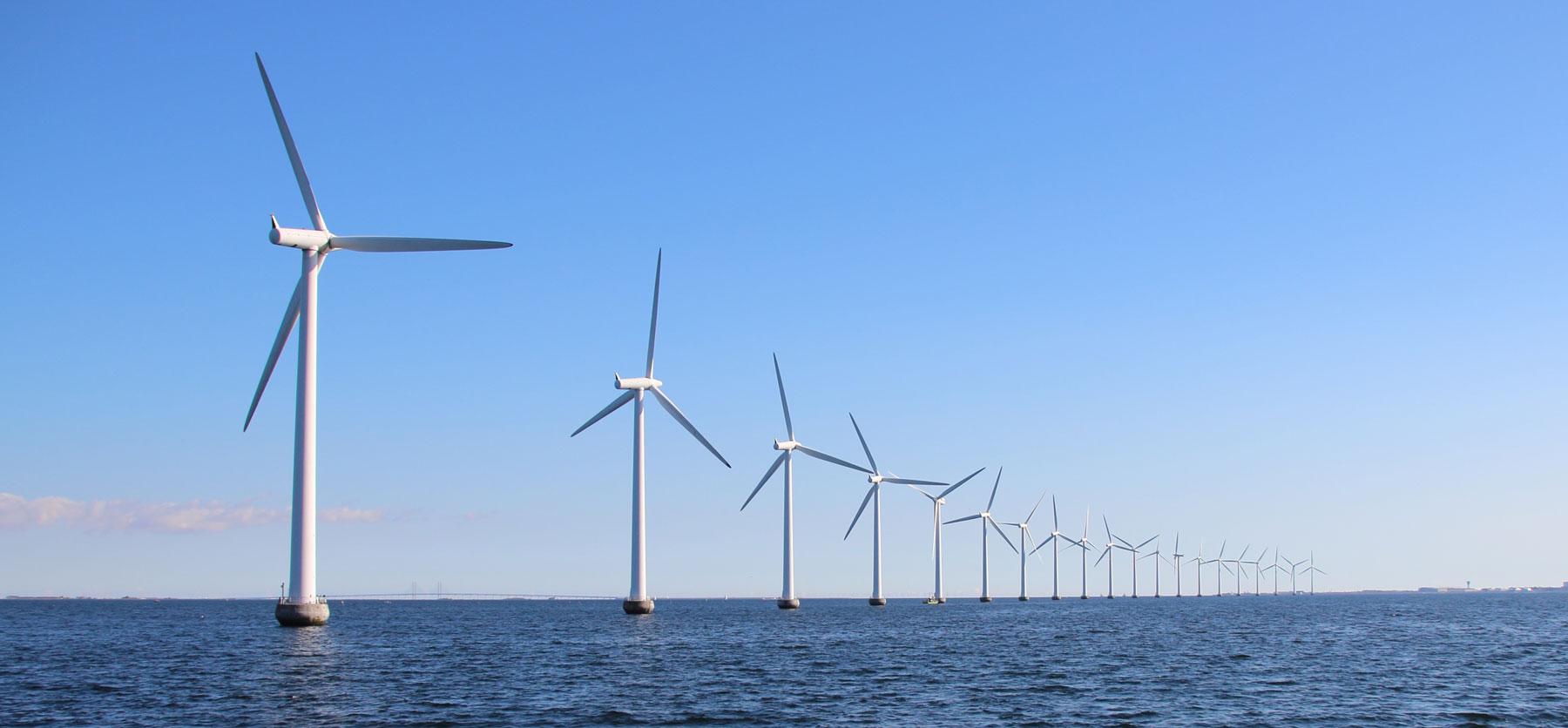 Climate Change, Coasts and Ocean
The Winds of Change: Fighting Climate Change Without Sacrificing Our Ocean
-
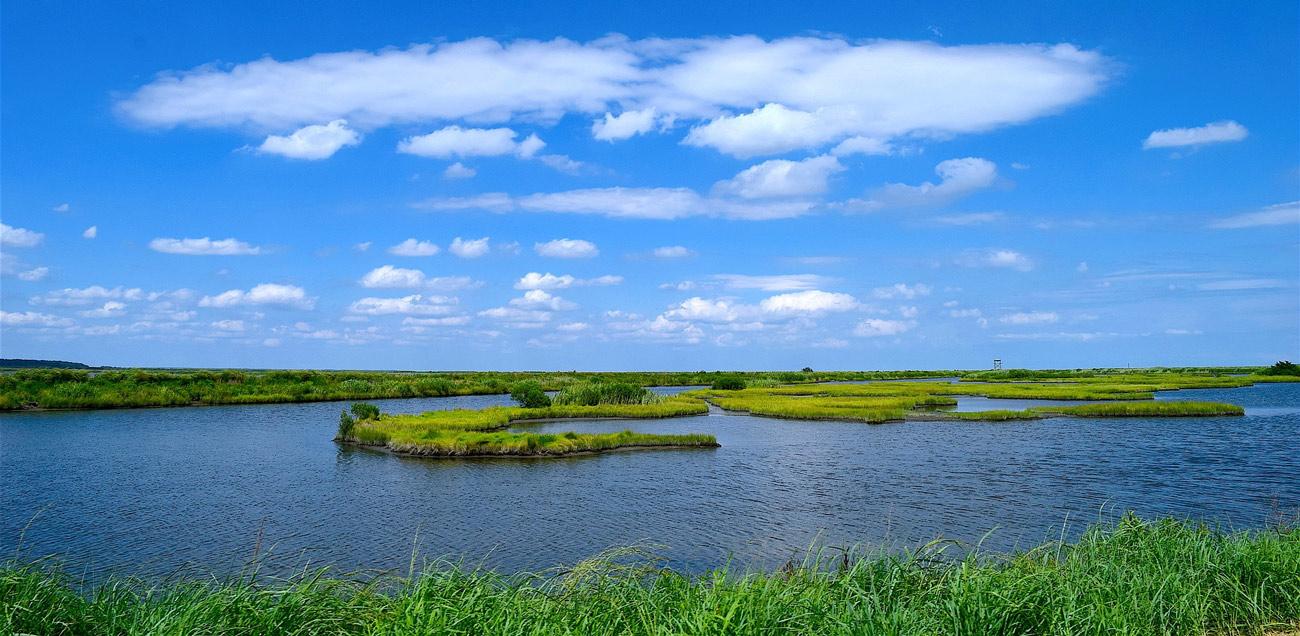 Climate Change, Coasts and Ocean
101 Blog Series: Blue Carbon


Be the first to know about the latest climate updates and ways to take action
Subscribe to our newsletterStay connected to climate and conservation work happening in your area
Find your local CPAWS chapterReports & Resources

Leveraging Protected Areas for Climate Action
Canadian Parks and Wilderness Society | 2024
Read More