Living with Fire: Rethinking Wildfire Resilience in Canada
Climate Change | Indigenous-led Conservation
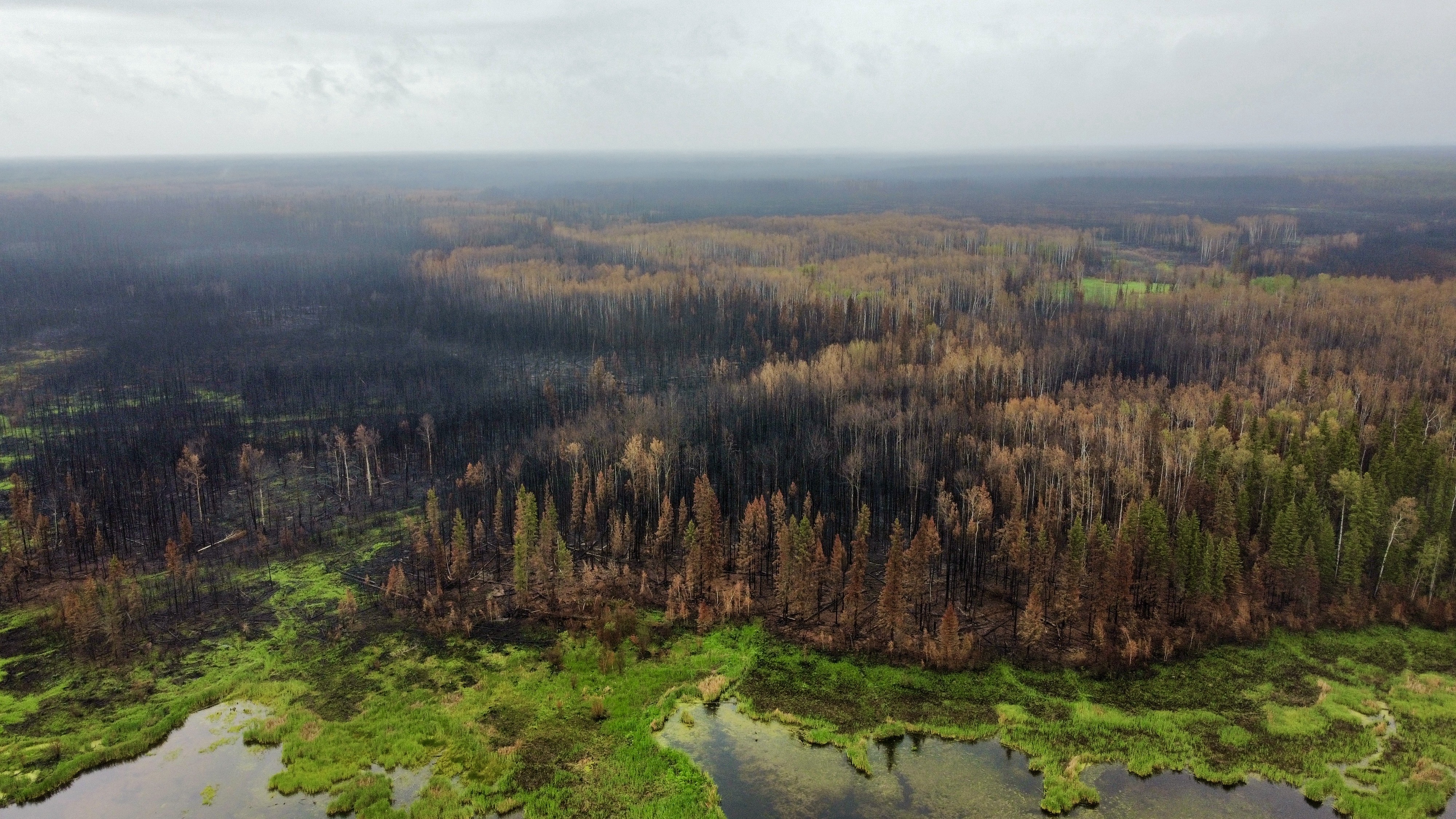
For thousands of years, fire has shaped forests across the country, renewing ecosystems, recycling nutrients, creating habitat, and supporting the regeneration of fire-adapted species. Indigenous Peoples have also long used carefully managed fire to steward landscapes, support important plants and wildlife, and sustain healthy ecosystems.
Many of the landscapes we value today evolved alongside periodic fire and depend on it to remain resilient and ecologically healthy. The challenge is not that forests burn, but that climate change and human activities have altered how, where, and under what conditions fires occur. As wildfire seasons become longer and more severe, the consequences are growing. While we cannot control every fire, we can reduce our vulnerability when fire returns.
That reality calls for a shift in thinking. Rather than asking how Canada can prevent every wildfire, we should be asking how policies, land-use decisions, and investments can reduce risk before disasters occur. Fire suppression will continue to play an important role in protecting lives and property, but it cannot solve the challenge on its own. Canada needs an approach that focuses on preparedness, resilience, and learning how to safely and sustainably live with fire.
Wildfire is reshaping how Canadians think about forests, climate change, public safety, and the relationship between people and nature. The choices made today will determine how well forests and communities withstand the challenges ahead.
Key Takeaways
- Wildfire is a natural process, not a problem that can be eliminated.
- Different landscapes require different approaches, from community protection to ecosystem conservation.
- Indigenous leadership is essential to Canada’s wildfire future.
- Canada needs a coordinated national strategy for living with fire.
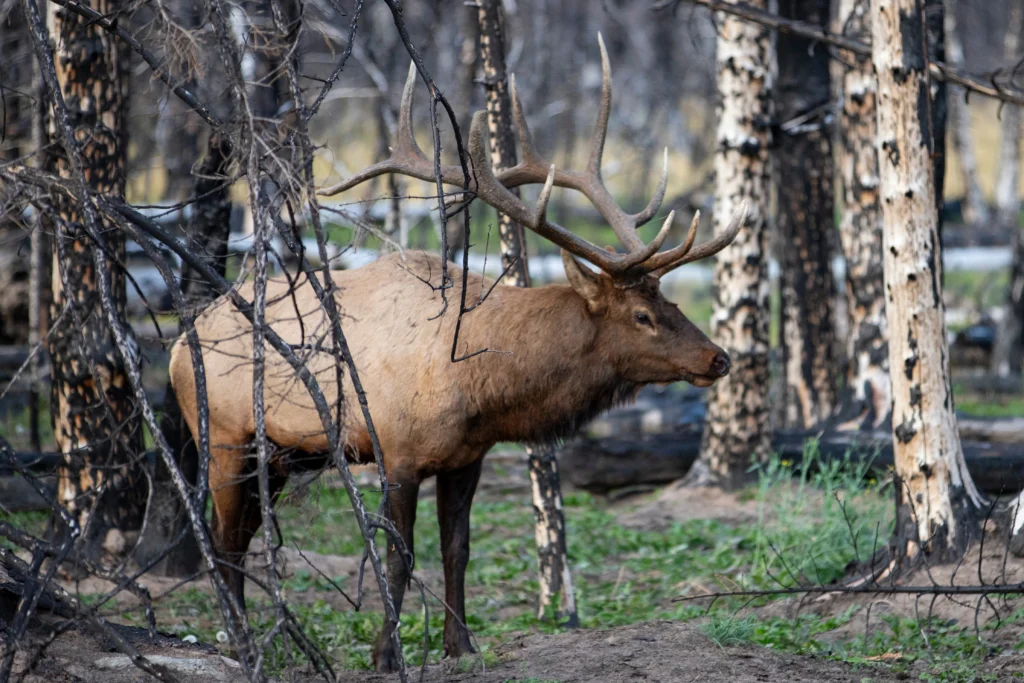
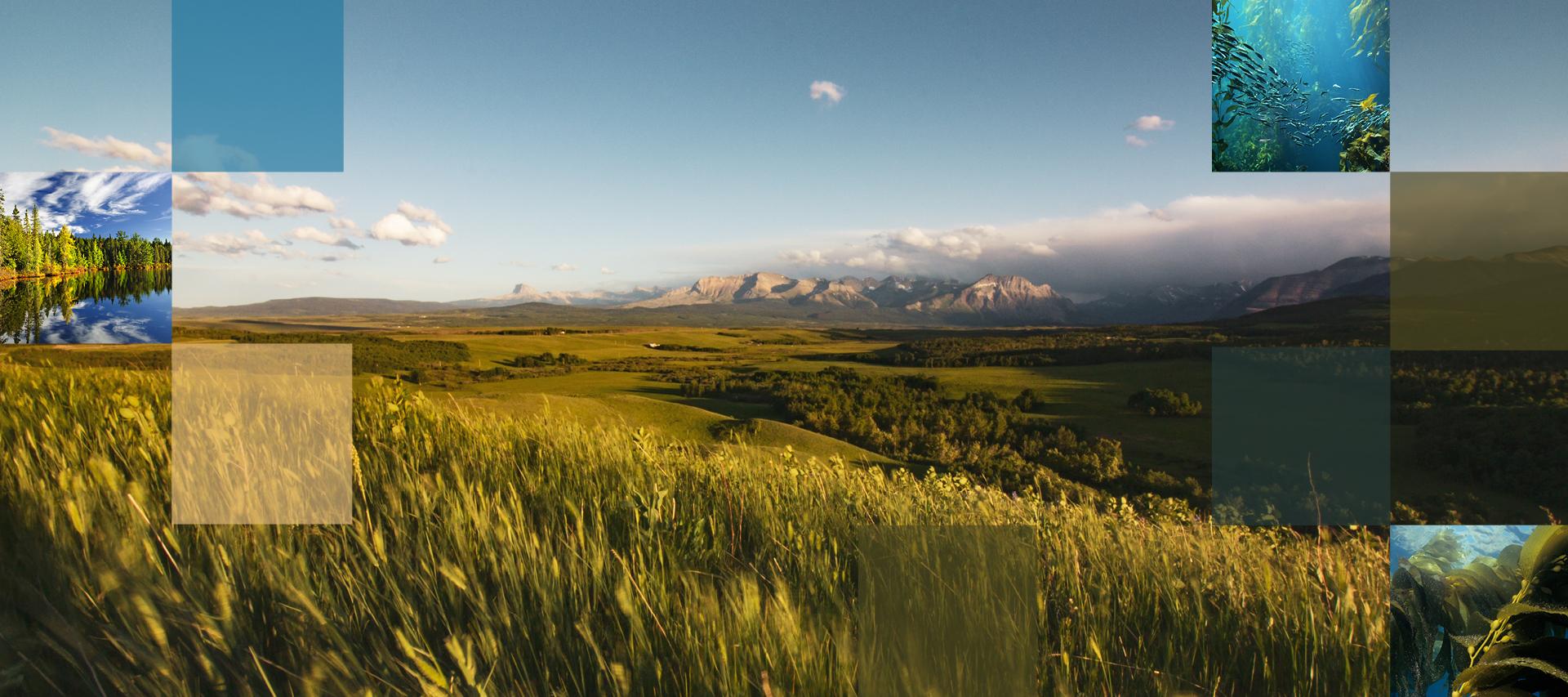
Photo credit: CPAWS Northern Alberta Chapter
Healthy ecosystems are part of wildfire resilience
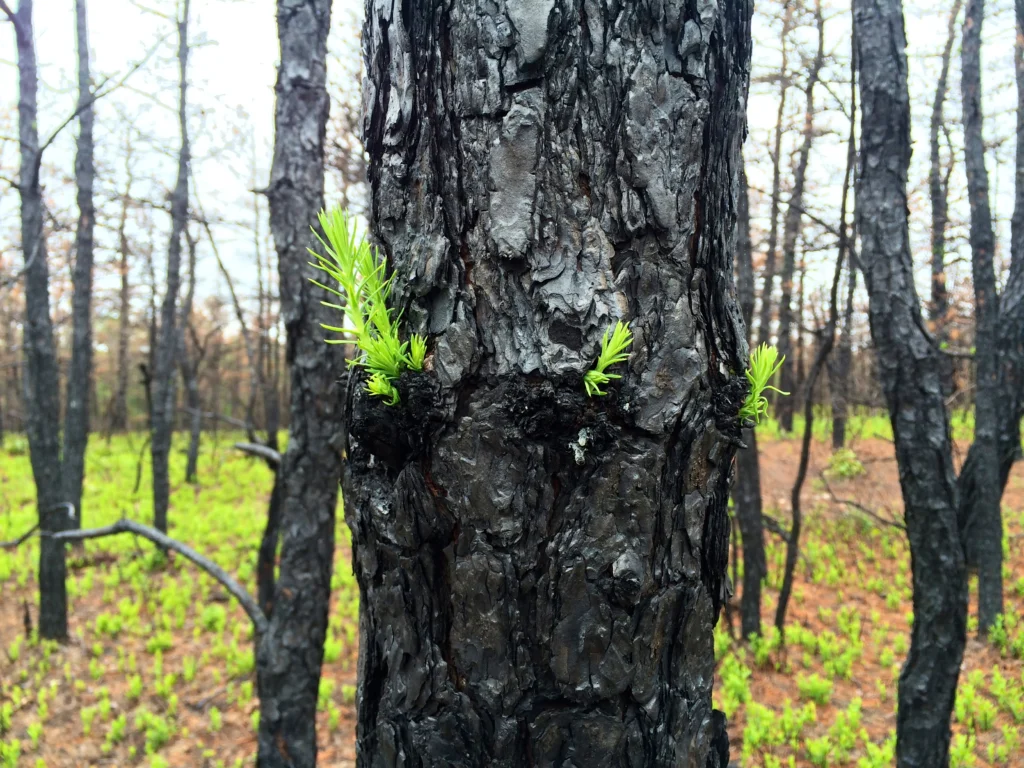
Living with fire also means recognizing that forest condition matters. Healthy ecosystems are often better able to withstand and recover from wildfire and other disturbances, while habitat fragmentation, biodiversity loss, and forest degradation can make landscapes more vulnerable to the growing pressures of industrial development and climate change.
Forest health must be understood as more than whether trees remain standing. A landscape may still be classified as forest while losing many of the characteristics that support wildlife, store carbon, regulate water, and maintain ecosystem function. Focusing only on forest cover can obscure these changes and limit efforts to build resilience.
Conservation therefore belongs in the wildfire toolbox. Protecting intact forests, wetlands, peatlands, and connected natural areas can support biodiversity, climate goals, and community well-being. Conservation is not a replacement for emergency response or forest management, but it is an essential part of wildfire resilience.
The right tools need to be used in the right places
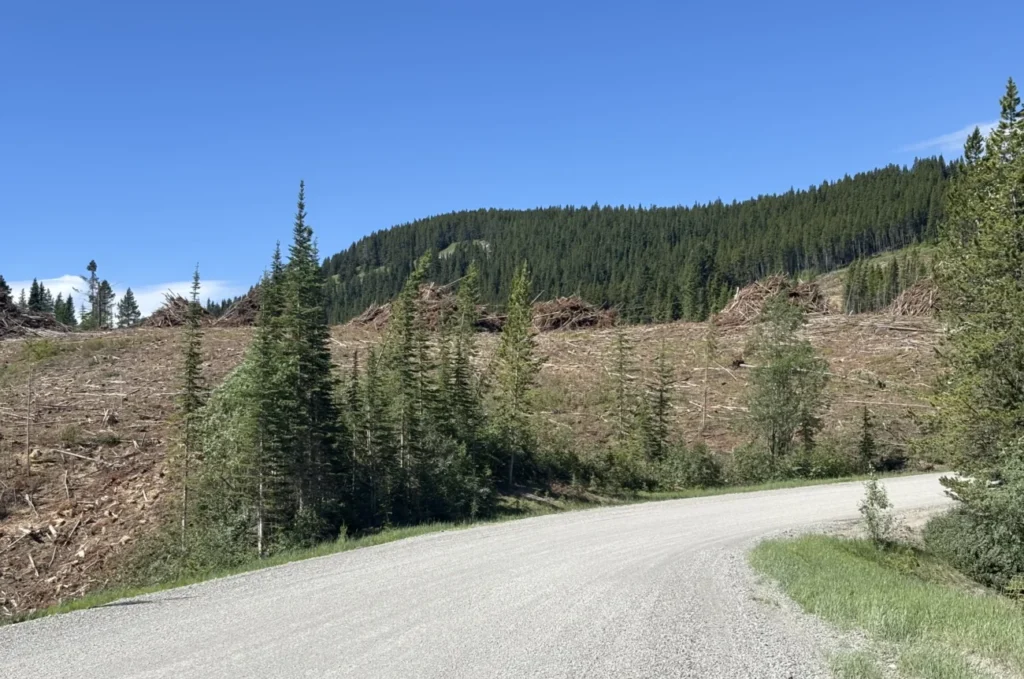
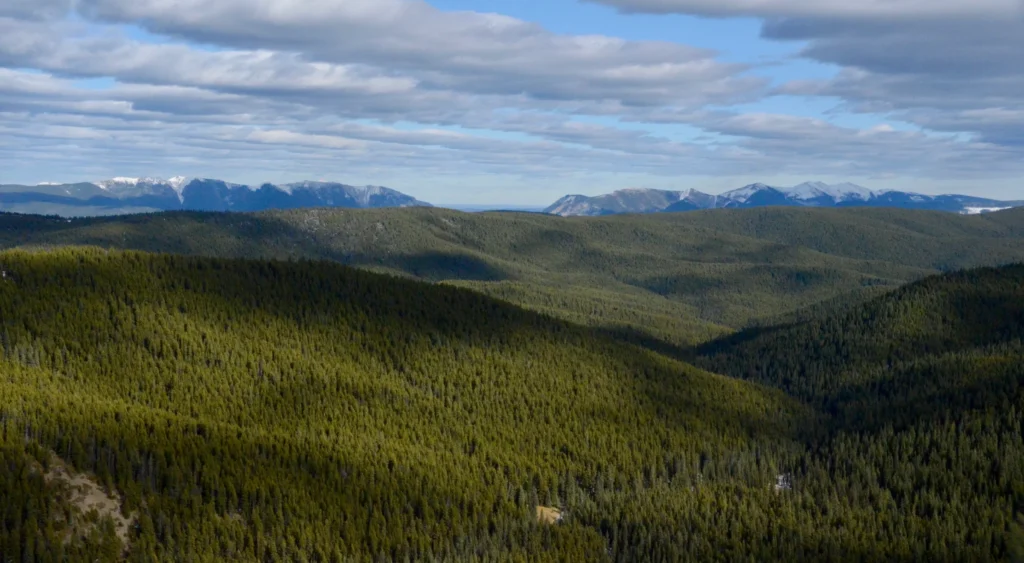
Effective wildfire management cannot rely on a single solution applied across every landscape. A common-sense approach means matching the right tools to the right places: what makes sense near a town, Indigenous community, critical infrastructure, or evacuation route may not be appropriate in a remote or relatively intact forest.
Near communities, programs such as FireSmart Canada demonstrate how practical measures like clearing flammable material around homes, using fire-resilient building materials, thinning dense vegetation, and improving emergency planning can reduce wildfire risk and help communities prepare for emergencies.
Further from communities, the emphasis may shift toward ecological integrity and natural resilience through conservation, habitat connectivity, Indigenous stewardship, and the protection of intact areas. In forests with significant logging activity, management should focus on resilience by promoting greater tree diversity, retaining more fire-resistant species, and using practices such as tree thinning.
The goal is not to manage every forest the same way, but to make strategic, place-based decisions that reduce risk where people and infrastructure are most exposed while supporting healthier, more resilient forest landscapes over the long term.
Indigenous leadership must be central
Indigenous Peoples have stewarded fire-adapted landscapes for millennia, developing sophisticated relationships with fire that have helped shape ecosystems and supported biodiversity. Through cultural burning and other stewardship practices, Indigenous nations have long understood that fire can be managed to support ecosystem health and community well-being.
Across Canada, Indigenous-led conservation initiatives and stewardship programs are strengthening ecosystem resilience and supporting communities facing increasing wildfire risks. Many Indigenous communities are also among those most affected by wildfire, making Indigenous leadership essential to effective and equitable responses.
As governments develop policies and programs to address wildfire and forest degradation, moving beyond consultation toward meaningful partnership and shared leadership should be a government priority.
Canada needs a coordinated strategy for living with fire
For years, Canada’s response to wildfire has largely focused on reacting to emergencies once they occur. Emergency response will always be necessary, but it cannot address the underlying conditions that are increasing wildfire risk, including forest degradation, biodiversity loss, land-use decisions, and climate change.
Indigenous Nations, researchers, conservation organizations, local communities, and governments are already advancing solutions through stewardship, conservation, monitoring, and wildfire management. The task now is to connect these efforts through policies and investments that reduce risk before disasters occur.
CPAWS is contributing to this work through a literature review and the Wildfire Resilience Over Risk StoryMap, which highlight opportunities to reduce wildfire risk while supporting biodiversity, Indigenous-led stewardship, and climate resilience.
What Canada needs now is a coordinated national strategy for living with fire that reflects the realities of a changing climate. It should recognize that healthy forests, resilient communities, biodiversity conservation, and climate action are interconnected, while supporting Indigenous leadership, conservation, research, and place-based forest management. It should also establish clear pathways for implementation and accountability while recognizing the diverse realities of Canada’s forests and fire-prone landscapes.
A made-in Canada path forward
Canada already has the knowledge and expertise needed to build a more resilient future. Indigenous Nations, researchers, conservation organizations, communities, and governments are advancing solutions; what is needed now is the leadership and commitment to bring them together.
A made-in-Canada approach should draw on science, Indigenous leadership, and local knowledge to reduce risk before disasters occur while supporting biodiversity, climate action, and community well-being.
CPAWS is helping advance this conversation through research, public education, and policy advocacy. The question is no longer whether change is needed, but whether Canada is prepared to act with the urgency and coordination this moment requires.
Other articles you may be interested in:
-
 Climate Change, Coasts and Ocean
The Winds of Change: Fighting Climate Change Without Sacrificing Our Ocean
-
-
 Climate Change, Conservation
A Time for Reflection, Action, and Our Early 2024 Highlights
-
 Climate Change, Coasts and Ocean
101 Blog Series: Blue Carbon


