Nature is at the Heart of the Economy

Conservation | Economy
Canada’s opportunity to make nature decision-relevant
Canada may possess one of the world’s richest portfolios of natural assets, yet our economic system still treats much of nature as if it were free.
Forests, wetlands, rivers, grasslands, coastlines and oceans provide the ecosystem services that underpin our economy. Their essential roles range from clean water, flood protection, and carbon storage, to pollination, healthy soils, climate regulation, recreation and biodiversity.
Nature is not simply scenery or an environmental amenity. It is crucial productive capital – and arguably Canada’s largest infrastructure asset.
Yet, nature remains largely invisible in the financial and government systems that guide economic, fiscal, infrastructure and investment decisions.
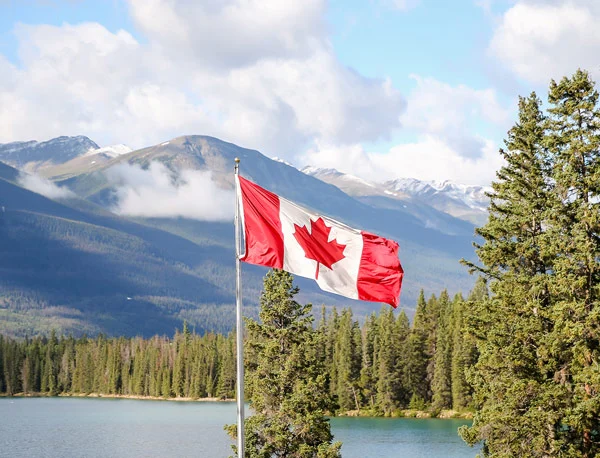
That invisibility – not the absence of value – is the real problem.
Many ecosystem services have no market price. It means their benefits are seriously under-valued and under-priced. It also means they are often excluded from budgets, cost-benefit analyses, financial reporting and investment decisions.
A wetland that reduces flooding, a forest that regulates water flows, or an ecosystem that supports biodiversity can appear to have little economic value simply because its benefits are not systematically measured.
The costs from this lack of pricing are increasingly evident. Nature loss contributes to greater exposure to floods, wildfires, droughts, biodiversity decline and reduced ecosystem resilience. The resulting bills for governments, businesses, insurers, investors and households are escalating. The costs will ultimately increase far more unless the mis-pricing of nature is addressed.
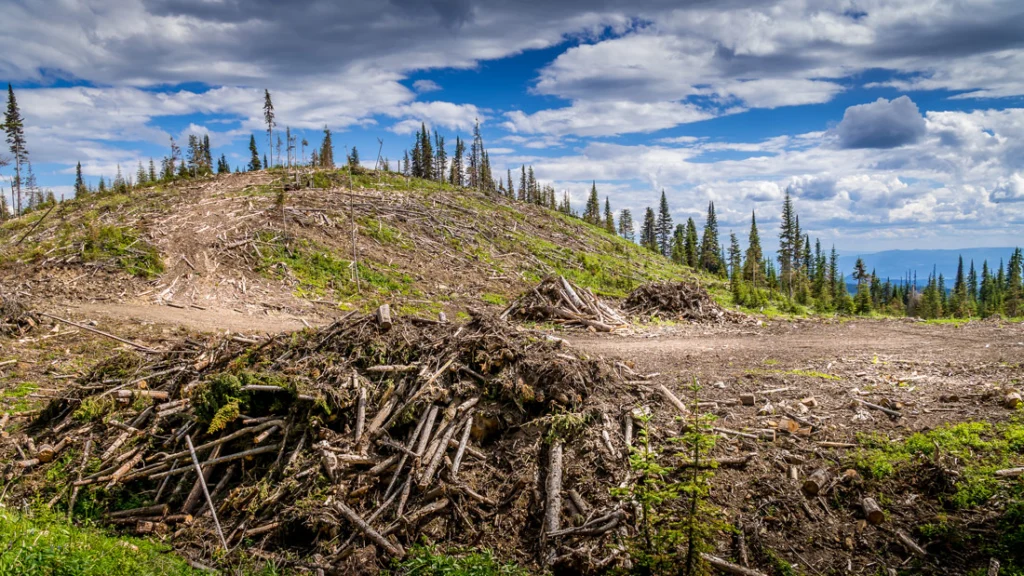
Federal estimates of the annual value of the ecosystem services provided by Canadian nature are at least $3.6 trillion. The magnitude is striking, but the more important point is that these benefits remain largely absent from decisions that shape Canada’s economy. Rather than comparing that estimate with a particular year’s GDP, Canada should focus on making nature’s enormous contribution visible and decision-relevant.
The encouraging news is that practical solutions are emerging.
More than 50 countries are developing ecosystem accounts using the United Nations System of Environmental-Economic Accounting. New international standards help organizations measure natural capital, incorporate biodiversity into strategy and pursue biodiversity net gain. The Taskforce on Nature-related Financial Disclosures is helping businesses and investors assess nature-related risks and opportunities. Public sector accounting is also evolving through the international standard, IPSAS 51, that provides guidance for recognizing or disclosing certain natural resources held for conservation.
Together, these initiatives reflect an important shift: nature is increasingly understood not only as an environmental and health concern, but as an economic, financial, infrastructure, risk-management and security issue.
Canada is not starting from scratch. Statistics Canada is developing natural capital accounts through its Census of Environment. More than 180 municipalities are inventorying and managing natural assets as infrastructure. Canadian standards bodies are developing guidance on natural asset inventories, condition, risk and lifecycle costs. Ottawa’s proposed Expert Taskforce on Natural Capital Accounting and Nature Financing provides an opportunity to connect and accelerate this work.
Four practical actions should guide the next phase.
- First, Canada should accelerate natural capital accounts and ecosystem-service valuation. Governments cannot effectively manage, protect, restore or invest in assets they do not systematically measure.
- Second, natural assets should become a routine part of infrastructure planning, fiscal policy, regional assessments and long-term economic development. Healthy ecosystems can complement or replace traditional grey infrastructure while reducing costs and strengthening climate resilience.
- Third, Canada should mobilize more public, philanthropic and private capital for conservation, restoration and sustainable management. The Great Bear Rainforest Agreements provide a powerful Canadian precedent. Widely recognized as the world’s first Project Finance for Permanence (PFP) model, they combine long-term conservation financing with First Nations-led stewardship and economic development.
Canada is now extending that model through Indigenous-led initiatives such as the Great Bear Sea PFP. These examples demonstrate that conservation, reconciliation and economic opportunity can be mutually reinforcing. - Finally, Canada should prepare to integrate nature more fully into public sector reporting and accounting. Accounting is not the starting point; it is the culmination of better measurement, valuation, management and investment. It also essential that work begin immediately to prepare guidance and consistent accounting-ready methodologies. Not every natural asset must appear on a government balance sheet to become decision-relevant. Meaningful disclosure can improve transparency and accountability well before formal recognition is appropriate.
International experience reinforces this pragmatic approach. The United Kingdom has incorporated natural capital into public investment appraisal without first placing ecosystems on government balance sheets. The Netherlands has embedded ecosystem accounting in national planning. Their experience demonstrates a central principle: nature can become decision-relevant long before it becomes balance-sheet relevant.
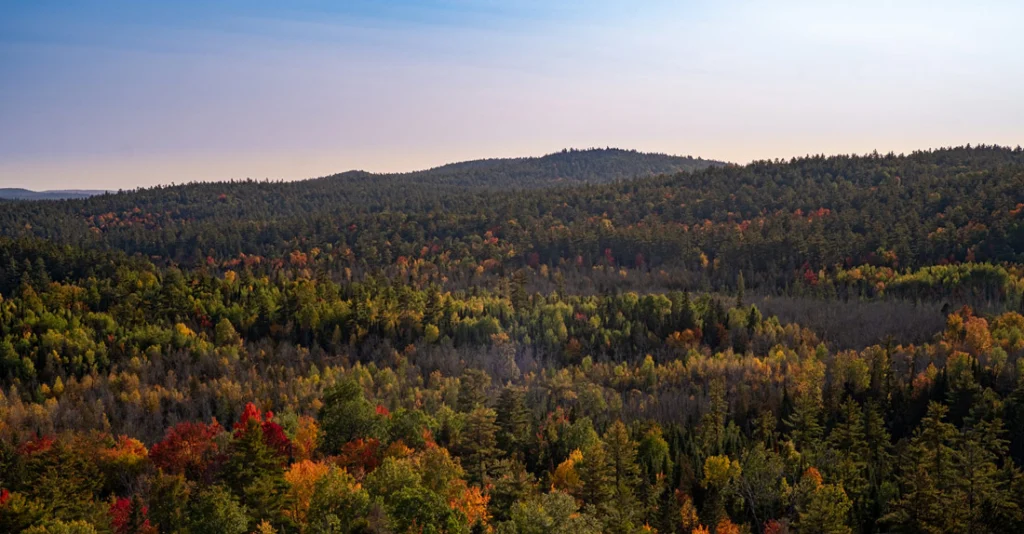
Canada manages one of the world’s most consequential natural asset portfolios. Yet those assets will remain undervalued, under-managed and under-invested in as long as they remain invisible within our economic systems.
Making nature visible is not simply an environmental objective. It is an imperative and core part of economic strategy and nation-building. It will strengthen competitiveness, productivity, resilience and long-term prosperity while protecting the natural systems on which every Canadian depends.
Want to read further?
Nature is one of Canada’s greatest assets. It’s time we start treating it that way.
Discover why making nature visible in our economic systems could strengthen Canada’s resilience, prosperity, and future.
Article written by:

Peter van Dijk
Peter van Dijk is an Adjunct Professor at Brock University’s Goodman School
of Business and a Senior Fellow at the C.D. Howe Institute. His work focuses on
making nature decision-relevant for governments, businesses, and investors through
improved valuation, accounting, and market-based approaches. Combining
experience as a senior business executive, policy advisor, and academic, he has
published widely on climate change, sustainable finance, and natural assets. His
current PhD research explores how natural asset and ecosystem services valuation
and accounting can help make nature an investable asset class.
Email: [email protected]

Joanna Eyquem
Joanna Eyquem is Vice President of the Climate Risk Institute, and holds over 30 related board and advisory positions, including on the Canadian Infrastructure Council and as Chair for the Natural Assets Initiative. She is a Professional Geoscientist and an internationally-recognized leader in climate adaptation and nature-based solutions, with over 25 years hands-on experience. Her recent work has included developing national standards and guidance, including for natural asset inventory, nature-based solution design, disclosure of natural assets in financial reporting, and compiling a practical guide to valuation of selected ecosystem services.
Email: [email protected]

James K. Stewart
James K. Stewart is an economist, a senior fellow at the C.D. Howe Institute, a member of the Intact Centre on Climate Adaptation advisory committee, and a board member of the Institute for Research on Public Policy. He is the author or co-author of over 50 articles and several major reports examining topics ranging from the economic value and financial benefits of natural assets and ecosystem services to behavioural economics, macroeconomic policy and financial markets.
Email: [email protected]
Related Content:
-
 Economy, Government and Policy
Addressing the Natural Infrastructure Policy Gap is Crucial to Nation-Building Success
Canada’s nation-building strategy must recognize, value, and invest in natural infrastructure to strengthen economic prosperity, climate resilience, and long-term national well-being.
-
 Government and Policy
Making Nature Decision-Relevant for Government and Business: A Roadmap for Canada
Explore why Canada must make nature’s economic value visible through better measurement, decision-making, investment, and accounting to strengthen long-term prosperity and resilience.
