Summer brings us back to nature, and the health, connection, and restoration we find there.
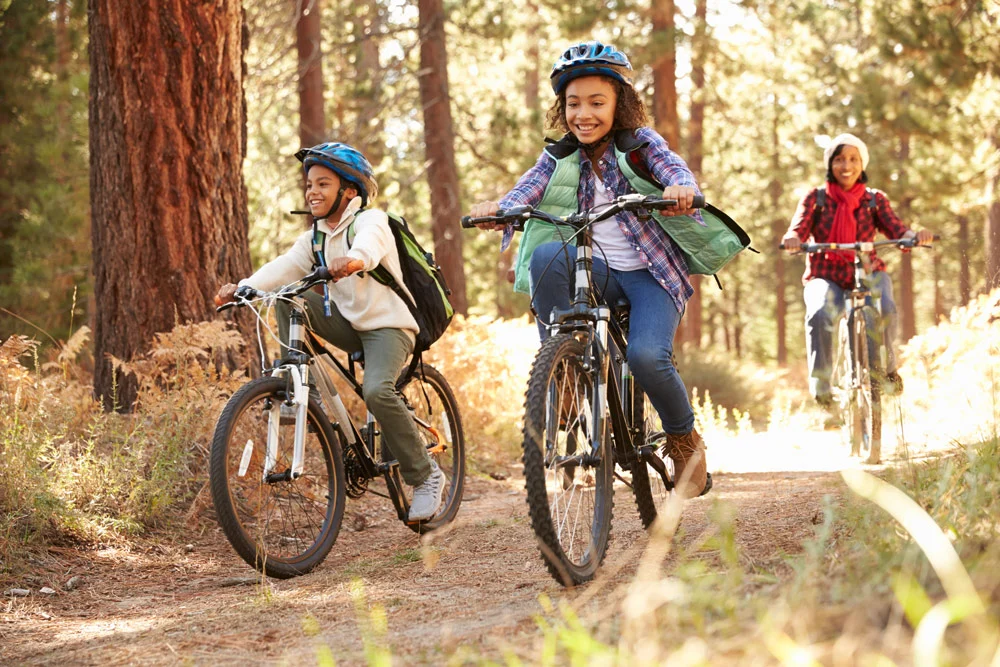
As the weather warms and summer plans begin to take shape, many Canadians are looking for ways to get outside and connect with nature. There’s renewed excitement about exploring the country’s natural spaces – whether that’s a family trip to a national park, a paddle on a nearby lake, or a walk through a local forest.
These moments feel familiar for a reason. Summer brings us back to the things and places that help us feel our best – fresh air, signs of life, and time spent outdoors with the people we care about.
Conservation isn’t separate from how we enjoy summer, it’s what makes it possible. More Canadians are recognizing that protecting nature isn’t just about enjoyable visits; we depend on these spaces for our health, well-being and basic needs. Like all living things, our ability to thrive relies on the natural world.
The Canada Strong Pass gives free entry to national parks all summer.
Discover hidden gems, and mapped sites across the country! Protecting and funding our parks is an investment in the well-being of people and nature. They contribute to our economy, conservation, and buffer the effects of climate change.
Nature Shapes Who We Are
What Canadians are saying
Across the country, Canadians have made it clear: nature isn’t just something we enjoy, it’s a part of who we are.
A recent research collaboration between CPAWS and Wilfrid Laurier University found that nearly three-quarters of Canadians feel nature shapes who they are and 85% believe it’s central to Canada’s national identity. Ultimately, nature – and how we choose to interact with it – largely defines us.
This deep connection and sense of pride is reflected in how we choose to spend our time. For many of us, accessing nature isn’t just about recreation, it’s about feeling better. Research from the Health and Well-being Benefits chapter of our recent report shows that 93% of protected area visitors go to feel healthier, 92% to give their mind a rest, and 90% to relax physically. Over 84% believe these places improve their overall sense of well-being, including mental, physical, spiritual, and social health.
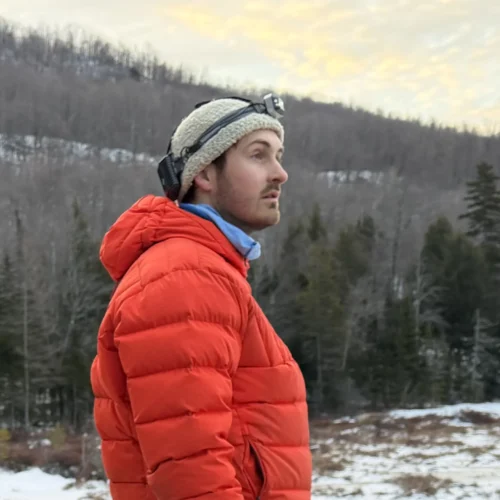
“Nature keeps me curious and adventurous, and has given me the space to better understand myself. It’s also helped ground my sense of purpose.”
Natasha McGregor, New Brunswick
These findings hold true across the country. A two-year Parks Canada survey of over 16,000 people revealed that 95% of respondents consider protected areas to be important to their overall quality of life. Together, these findings point to something much bigger: Canadians aren’t just spending time in nature, they’re turning to it as a source of health, connection, and restoration.
For Natasha McGregor, an outdoor enthusiast from New Brunswick, this connection is deeply personal. From exploring the Bay of Fundy to daily walks and forest bathing, time in nature has shaped their well-being, curiosity, and sense of purpose.
“Nature has been therapeutic for me in so many ways. It helps calm my spinning thoughts and restless energy, keeps me curious and adventurous, and has given me the space to better understand myself. It’s also helped ground my sense of purpose and foster a renewed sense of spirituality.”
Experiences like Natasha’s are echoed across the country. Interestingly, the widespread benefits people experience is now supported by a growing body of scientific research.
Nurturing the mind and body
Studies have shown that a single bout of exercise in greenspace leads to greater improvements in mood, cognitive function, and mental well-being than the same exercise done indoors or in urban areas. There is also growing evidence that regular access to nature can reduce the risk of chronic health conditions, like high blood pressure, heart disease, and even diabetes.
Additionally, researchers have determined that just two hours a week in nature is enough to significantly improve our overall health and well-being. In other words, the science backs what people are feeling: the more time they spend in nature, the better off they are physically and mentally.
These findings point to a much broader role for nature in supporting public health. Access to protected and conserved areas have the potential to be a cost-effective strategy for advancing Canada’s environmental, and public health outcomes.
“When you’re in nature, and you the vastness of space, its beauty and how big it is, your problems seem way smaller. It puts things back into perspective.”
Hugo Baraer, Quebec
Through these studies, nature has been proven to support healthier communities while also easing long-term pressures on the healthcare system.
This will be unpacked more in Part 2 of this blog series, coming soon.
When nature is far from home
Too far, too costly and out of reach
It’s getting harder for people to access nature across Canada, especially individuals living in cities. While Banff may be an hour’s drive from Calgary, the distance is too far for many without accessible public transit.
Important considerations like cost, distance, and limited public transportation make it challenging to reach regional, provincial and national parks. Not everyone has equal opportunity to experience the health and well-being benefits of nature.
These barriers also affect Canadians differently depending on their social and economic status’, especially for new Canadians, BIPOC communities, youth, individuals with disabilities, and families with children.
To effectively invest in the health and well-being of all Canadians, we need more protected and conserved areas – especially in and around urban areas – to bring nature closer to home for everyone.
As we look ahead, the question is not whether nature supports our health, but how we can ensure that everyone benefits from it.
The importance of getting outside each day
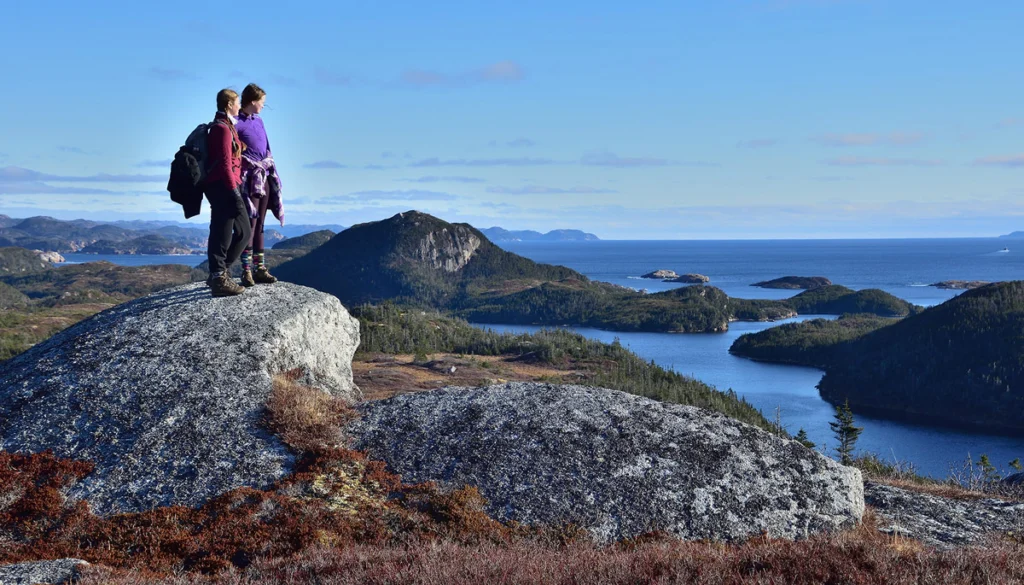
Photo: Burgeo Hikers by Derrick Mercer
The benefits are clear. Across the country, Canadians are turning to nature to feel better, reconnect, and live healthier lives. The special feeling we experience in these moments is no longer just something we feel, it’s scientifically backed by credible research.
Protecting these spaces means protecting the benefits we need the most. It means that more people, in more communities, can access natural areas that support their health, happiness, and overall quality of life.
When we protect nature, we’re not just protecting landscapes, we’re investing in ourselves.
ARTICLE WRITTEN BY
Tatyana Feiner National Coordinator, Land and Freshwater CPAWS
We use cookies and other similar technologies such as pixels and web beacons (“Cookies”) for various purposes, such as to ensure our website functions properly, enhance your browsing experience by remembering your preferences and provide personalized content and advertisements. You can manage your preferences by clicking on “View preferences”.
Functional
Always active
The technical storage or access is strictly necessary for the legitimate purpose of enabling the use of a specific service explicitly requested by the subscriber or user, or for the sole purpose of carrying out the transmission of a communication over an electronic communications network.
Preferences
The technical storage or access is necessary for the legitimate purpose of storing preferences that are not requested by the subscriber or user.
Statistics
These Cookies collect and report aggregate data to help us understand visitor interactions with our website, including the most visited pages, user navigation patterns, and any errors encountered.These Cookies collect and report aggregate data to help us understand visitor interactions with our website, including the most visited pages, user navigation patterns, and any errors encountered.
Advertisement
These Cookies monitor users' online activity to create consumer profiles and deliver targeted ads based on preferences.

 Land and Freshwater, Parks and Protected Areas
 Land and Freshwater, Parks and Protected Areas
