Tell Canada and Saskatchewan that our endangered grasslands are not for sale
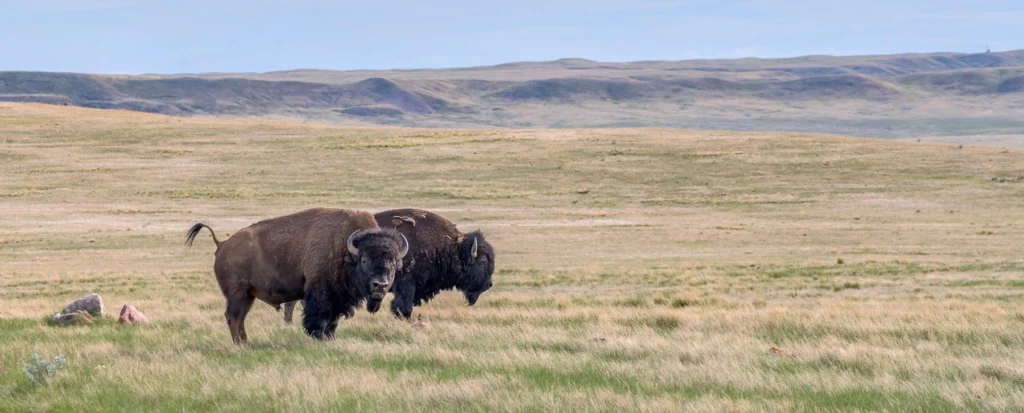
Saskatchewan’s native grasslands are home to thousands of species of plants and animals, including many endangered species, but remain the most endangered ecosystem on earth. More than 85% of Saskatchewan’s grasslands have been destroyed.
Despite this, Canada is now looking to sell off areas that are currently protected.
Tell Canada and Saskatchewan that native grasslands are not for sale, send your letter today.
In 2020, letters from tens of thousands of CPAWS supporters like you forced the government of Alberta to drop their plans to revoke protections of 175 provincial parks and recreational areas. Please help us take a stand in Saskatchewan by sending your letter today.
Despite their critical importance, native grasslands are the most endangered ecosystem on earth. Approximately 80-85 % of Canada’s historic grasslands have disappeared and only 14% of Saskatchewan’s grasslands are left. What remains is threatened by the intensification of agriculture, increased development, government policy, and severe droughts.
Both the federal and provincial governments have recently pulled back critical protections for native grasslands.
- The federal government removed protection from several National Wildlife Areas in Saskatchewan leaving their fate, and that of many species, uncertain. Many of these areas have been protected for more than 20 years, will soon be completely unprotected.
- The Saskatchewan government is enabling the destruction of critically important wetlands from the prairie landscape. This puts native grasslands at extreme risk from wildfires.
Native grasslands provide critical ecological goods and services in the form of buffers/mitigation to flooding and droughts (soil and water conservation), but also as a function for livestock forage, maintaining biodiversity, nutrient recycling, climate regulation, carbon storage, protecting watersheds, streams and river channels, for tourism and recreation, and for preserving Indigenous cultures.
There’s no undo button when it comes to the destruction of native grasslands, we don’t get a second chance at protecting them.